

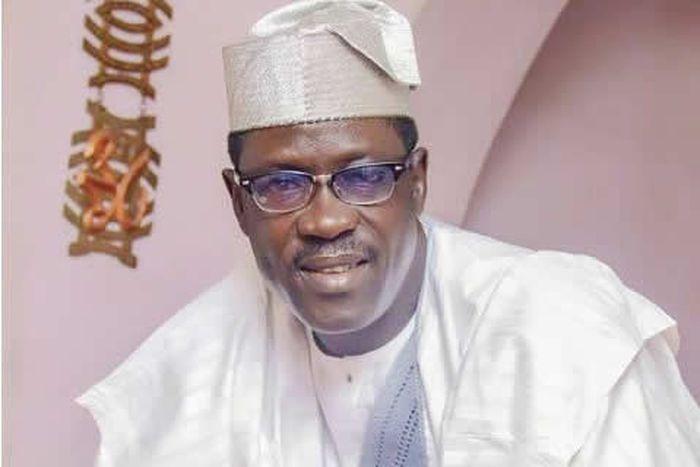
Ogogo Cancer Update: Ogogo Reportedly Taken to Theatre as Nigerians Continue to Pray.
There has been a new development in the health battle of veteran Yoruba actor Alhaji Taiwo Hassan, popularly known as Ogogo, amid the outpouring of concern that followed his family's disclosure that he is battling Stage 4 cancer.
Reports circulating among people following his condition indicate that the actor has been wheeled into the theatre for further treatment or a medical procedure.
At the time of writing, BabaCares has not independently obtained a medical statement from his treating doctors confirming precisely what procedure is being undertaken. It would therefore be inappropriate to speculate about the nature of the procedure or suggest that it represents surgery intended to cure his cancer.
Nevertheless, the development offers some encouragement that Ogogo remains under professional medical care while his family, colleagues, fans and well-wishers continue to search for every medically appropriate option available to him.
The actor's daughters recently made an emotional public appeal concerning their father's condition, saying that he had been diagnosed with Stage 4 cancer and asking for information about treatment options. The disclosure generated widespread concern across Nigeria and beyond.
The family's appeal has also triggered an important national conversation about what should happen when a person with advanced cancer has exhausted some of the treatments initially offered to them.
Stage 4 Does Not Tell the Entire Medical Story
The words “Stage 4 cancer” understandably cause fear, but treatment decisions cannot be made from the stage alone.
Doctors need to know the exact type and origin of the cancer, where it has spread, pathology findings, molecular or biomarker results where applicable, previous treatments, response to those treatments, organ function and the patient's overall physical condition.
Treatment options vary considerably from one cancer to another.
For some patients, treatment may involve chemotherapy. For others, doctors may consider radiotherapy, surgery for specific complications, hormonal therapy, targeted therapy, immunotherapy, interventional procedures, clinical trials or combinations of treatments.
This is why a multidisciplinary review by specialists experienced in the particular cancer involved can be valuable.
Seeking another expert opinion does not necessarily mean the original doctors were wrong. The U.S. National Cancer Institute explains that a second opinion can confirm the original diagnosis and treatment plan, question aspects of it, provide additional information, or identify other treatment possibilities.
For Ogogo's family, therefore, one useful step — if his medical team considers him stable enough — could be to assemble his complete records for review by another specialist cancer centre.
Specialist Cancer Centres in Nigeria
Nigeria now has important oncology facilities capable of evaluating and treating many complex cancers. Before considering the significant expense and physical strain of travelling abroad, the family could explore multidisciplinary consultations within Nigeria.
1. Medserve-LUTH Cancer Centre — Idi-Araba, Lagos
The Medserve-LUTH Cancer Centre, formerly widely known as the NSIA-LUTH Cancer Centre, is located within Lagos University Teaching Hospital in Idi-Araba.
It is a major outpatient oncology centre providing specialist cancer services including consultation, chemotherapy and radiotherapy. Its clinical teams include radiation and clinical oncologists, medical physicists, radiotherapists and oncology nurses.
The facility has advanced radiation technology and offers techniques including Intensity Modulated Radiation Therapy (IMRT) and Volumetric Modulated Arc Therapy (VMAT).
For a complicated advanced-cancer case, a multidisciplinary review through LUTH could be an important option.
2. Marcelle Ruth Cancer Centre & Specialist Hospital — Victoria Island, Lagos
The Marcelle Ruth Cancer Centre & Specialist Hospital is a comprehensive specialist cancer facility in Lagos.
The centre provides cancer assessment and treatment using a multidisciplinary approach and has facilities for cancer surgery as well as other specialist services. Its surgical facilities include modern operating theatres staffed by surgeons, anaesthetists and nurses.
A consultation here could provide another independent Nigerian specialist assessment of Ogogo's diagnosis, previous treatments and current options.
Other Nigerian Oncology Services
The appeal issued by the Nigerian Cancer Society, Lagos State Chapter, has also drawn public attention to cancer and oncology services available through institutions and facilities including:
- Lagos State University Teaching Hospital (LASUTH), Ikeja
- Federal Medical Centre, Ebute Metta/Yaba axis
- Lakeshore Cancer Centre, Lagos
- Me Cure Healthcare/Cancer services, Lagos
- Pearl Oncology and other specialist oncology providers
However, the appropriate institution should be selected according to the exact cancer diagnosis and the specialist expertise required, rather than simply moving the patient from one hospital to another.
The immediate objective should be to identify an oncologist or multidisciplinary team with extensive experience in the particular cancer Ogogo has.
What About Treatment Outside Nigeria?
If Nigerian specialists believe an overseas review may reveal additional options, several internationally recognised cancer institutions accept international patients.
Medical records can often be reviewed before a patient undertakes an expensive and exhausting journey.
3. MD Anderson Cancer Center — Houston, Texas, USA
The University of Texas MD Anderson Cancer Center operates an International Center specifically to assist patients travelling from outside the United States.
Its international service helps patients arrange specialist assessment and cancer care in Houston.
For a patient with advanced disease, the value of contacting a centre such as MD Anderson would be to determine whether specialists in the specific cancer type believe another treatment, clinical trial or intervention deserves consideration.
4. Memorial Sloan Kettering Cancer Center — New York, USA
Memorial Sloan Kettering Cancer Center (MSK) is another major specialist oncology institution.
MSK states that patients from more than 100 countries have travelled there for cancer care and that it treats both common and rare cancers. Its international service allows overseas patients to request consultations and provides care advisers to help coordinate the process.
Depending on Ogogo's exact cancer and previous treatment history, an expert review from a disease-specific oncology team could establish whether any additional evidence-based treatments or trials are appropriate.
5. Princess Margaret Cancer Centre — Toronto, Canada
The Princess Margaret Cancer Centre, part of University Health Network in Toronto, is Canada's largest comprehensive cancer program. It combines medical oncology, radiation oncology, surgical oncology, supportive care and extensive cancer research.
International patients are handled through UHN's International Patient Program, where referrals are screened by medical professionals to determine whether the hospital can provide appropriate care.
For a Nigerian patient considering Canada, records should ideally be submitted for assessment before travel arrangements are made.
6. The Royal Marsden — London, United Kingdom
The Royal Marsden in the United Kingdom is a specialist cancer hospital with an International Patient Centre for people seeking treatment from overseas.
It also provides a formal second-opinion service, allowing specialist consultants to review a patient's diagnosis and proposed treatment plan.
This type of medical-record review could be particularly useful before deciding whether transferring a seriously ill patient internationally is justified.
Before Travelling Abroad, Send the Medical Records
For an advanced cancer patient, travelling thousands of kilometres should never be the first objective simply because a famous hospital exists abroad.
The first objective should be to obtain a specialist review of the medical records.
The family should work with Ogogo's doctors to assemble, where available:
- Pathology and biopsy reports
- Pathology slides or digital pathology records
- CT, MRI, PET or other imaging reports and actual images
- Blood-test results
- Details of the precise cancer type and stage
- Records of chemotherapy, radiotherapy, surgery or other treatments already received
- Names and doses of medicines used
- Records showing how the tumour responded to previous treatment
- Relevant molecular, genomic or biomarker tests
- A summary from the treating oncologist
- Information about Ogogo's current physical condition and other medical conditions
These records allow another oncology team to assess the case much more meaningfully.
Clinical Trials May Also Be Worth Asking About
When standard treatments have been exhausted, an oncologist may sometimes consider whether a patient qualifies for a clinical trial.
Clinical trials are not miracle cures, and eligibility can be strict. Factors may include the cancer type, stage, previous treatments, genetic characteristics of the tumour, age and the patient's present health.
The National Cancer Institute recommends discussing possible clinical trials with the treating doctor and obtaining specialist advice when considering this route.
This again demonstrates why the exact diagnosis is essential. No responsible doctor can recommend a trial merely from the description “Stage 4 cancer.”
Palliative Care Does Not Mean Abandoning the Patient
One issue arising from the public discussion surrounding Ogogo's condition deserves clarification.
There has been commentary suggesting that doctors may have reached a point where further chemotherapy is no longer considered beneficial. That does not necessarily mean that doctors have abandoned the patient.
Palliative care is legitimate medical care.
The World Health Organization explains that palliative care is intended to improve the quality of life of people facing serious, life-threatening illness by preventing and relieving suffering, including pain and other physical, psychological, social and spiritual problems. It can also be provided alongside treatments intended to prolong life.
Therefore, if Ogogo is receiving palliative or supportive care, this should not be interpreted as meaning that “nothing is being done.”
Pain control, nutrition, treatment of infections, management of breathing difficulties, management of fluid accumulation, blood transfusions where necessary, psychological support and carefully selected medical procedures can all be important elements of advanced cancer care.
At the same time, families are perfectly entitled to request a specialist second opinion, particularly when facing a major decision about stopping or changing cancer-directed treatment.
A Word of Caution About Miracle Cures
The appeal by Princess Tinu Lawal, Chairman of the Nigerian Cancer Society, Lagos State Chapter, provides an important message for every family facing cancer: desperation must not expose patients to unverified treatments or individuals claiming guaranteed cures.
Advanced cancer patients can be particularly vulnerable to people promoting expensive herbal mixtures, secret preparations and supposed miracle treatments without reliable evidence.
This does not mean that families should lose hope.
It means that hope should travel together with evidence.
Any supplement, herbal preparation or traditional remedy being considered should be disclosed to the patient's oncologist because some products can interact with medicines, increase bleeding risk, damage the liver or kidneys, or interfere with cancer treatment.
Ogogo's Battle Is Bigger Than One Family
Taiwo Hassan Ogogo has entertained Nigerians for decades. His present health battle has understandably touched thousands of people who grew up watching his performances.
But his situation also highlights a larger challenge facing many Nigerian families: where do you turn when cancer becomes advanced and the first treatments no longer appear to be working?
The answer should not be misinformation, desperation or exploitation.
It should be specialist oncology assessment, multidisciplinary care, an informed second opinion where appropriate, access to legitimate clinical trials when available, excellent symptom management and compassionate support for both patient and family.
As reports emerge that Ogogo has been taken into theatre for further treatment, Nigerians will continue to pray that whatever procedure his medical team is undertaking brings relief and that his doctors and family receive the wisdom needed to determine the best next step.
There may or may not be another cancer-directed treatment suitable for him. Only specialists who have reviewed his complete medical records can responsibly answer that question.
But seeking a properly qualified second opinion is reasonable.
For now, the most important message remains:
Ogogo deserves the best evidence-based medical care available, protection from misinformation, compassionate support and the prayers of everyone whose life his work has touched.
BabaCares joins millions of Nigerians in wishing Alhaji Taiwo Hassan strength, comfort and the very best possible medical outcome.
References
- Premium Times Nigeria. “Our father is battling Stage 4 cancer” — Ogogo Hassan's daughters reveal, seek treatment options. August 17, 2026.
- The Guardian Nigeria. Ogogo's daughters seek help, say actor has stage-four cancer. August 18, 2026.
- Punch Newspapers. Doctor clarifies palliative care after Ogogo's daughters' claim hospitals refused treatment. August 18, 2026.
- Medserve-LUTH Cancer Centre. Official information on multidisciplinary oncology, chemotherapy and radiotherapy services.
- Marcelle Ruth Cancer Centre & Specialist Hospital. Official information on comprehensive cancer care and cancer surgery.
- National Cancer Institute (United States). Information on second opinions and finding specialist cancer care.
- World Health Organization. Palliative Care — information on evidence-based supportive and palliative care for people with life-threatening illness.
- UT MD Anderson Cancer Center. International Center for patients seeking specialist cancer treatment from outside the United States.
- Memorial Sloan Kettering Cancer Center. International Patient Services and specialist oncology consultations.
- University Health Network – Princess Margaret Cancer Centre, Toronto. International Patient Program and comprehensive cancer services.
- The Royal Marsden, United Kingdom. International Patient Centre and specialist cancer second-opinion service.
- National Cancer Institute. Guidance on identifying and considering clinical trials for cancer treatment.
Medical disclaimer: This article is for health information and public awareness only. It does not diagnose Mr. Taiwo Hassan or recommend a particular treatment. Decisions regarding cancer treatment must be made by the patient, family and qualified oncology professionals who have access to the patient's complete medical records.
https://www.babacares.com/blog-details?details=999&title=Ogogo+Cancer+Update%3A+Ogogo+Reportedly+Taken+to+Theatre+as+Nigerians+Continue+to+Pray











Comments