

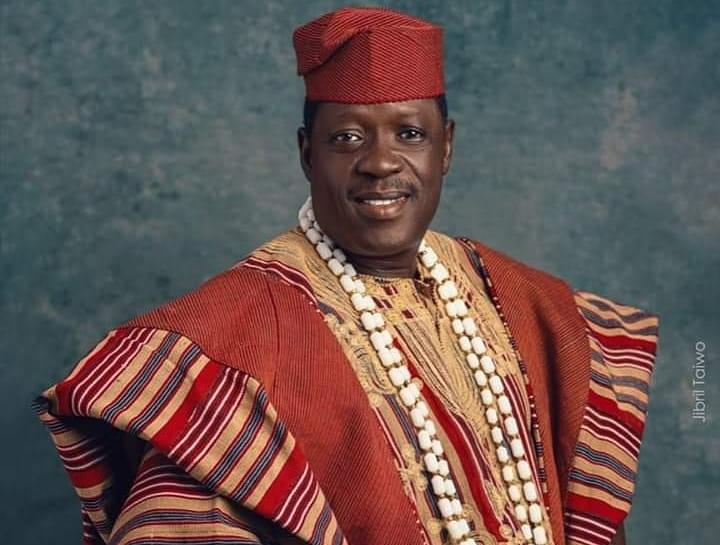
OGOGO’S BATTLE FOR LIFE: What We Know, His Previous Health Struggle, and How the World Can Help.
News that veteran Yoruba actor Alhaji Taiwo Hassan, popularly known as Ogogo, is battling Stage 4 cancer has understandably caused concern among his fans in Nigeria and across the world.
On Monday, August 17, 2026, his daughters made emotional public appeals saying that their father has Stage 4 cancer and that the hospital treating him had informed the family that chemotherapy could no longer be continued. They stressed that their appeal is not primarily for financial donations, but for access to experienced cancer specialists, reputable hospitals or other legitimate treatment options that could still offer their father a chance.
One important fact should be made clear: the specific type of cancer has not yet been publicly disclosed, nor have detailed pathology reports, scan findings or the medical reason chemotherapy was stopped been made public. Therefore, people should be careful not to circulate unsupported claims about the type of cancer, its cause or his prognosis.
Ogogo Has Fought Serious Illness Before
This is not the first major health battle in the life of the celebrated actor.
In an interview reported in 2025, Ogogo recalled a severe illness that lasted for approximately seven years. He said he had been diagnosed with a chronic ulcer and at one stage became so ill that he was vomiting blood. The prolonged illness caused dramatic weight loss and, at the time, led to widespread speculation about his health.
He eventually recovered sufficiently to return fully to acting and continued appearing in major productions.
That history demonstrates his resilience, but it is important not to assume that his previous ulcer illness caused his present cancer. There is currently no publicly available medical evidence establishing such a connection.
What Does Stage 4 Cancer Really Mean?
Stage 4 generally indicates an advanced cancer, commonly one that has spread beyond its original location. However, “Stage 4” does not tell us everything about an individual patient's treatment possibilities.
Cancer treatment today is highly specific. The options depend on factors such as:
the type and origin of the cancer, where it has spread, pathology findings, molecular or genetic characteristics of the tumour, previous treatments, organ function, general physical condition and the patient's ability to tolerate treatment.
Chemotherapy is also not the only cancer treatment available.
Depending on the cancer involved and the results of appropriate testing, modern oncology may sometimes offer targeted therapy, immunotherapy, hormone therapy, radiotherapy, surgery in selected situations or clinical trials. Targeted treatments, for example, act on particular molecular abnormalities that help certain cancers grow.
Therefore, being told that a patient can no longer receive chemotherapy should not automatically be interpreted by the public as meaning that nothing whatsoever can be done.
At the same time, there may be very sound medical reasons for stopping chemotherapy. In advanced cancer, doctors sometimes conclude that the risks and toxicity of further chemotherapy exceed the likely benefit, particularly where a patient's physical condition or organ function has deteriorated.
Only doctors who have reviewed Ogogo's complete medical records can determine which situation applies to him.
What Ogogo Needs Most Now
Perhaps the most valuable assistance the public can provide is to help his family obtain an urgent multidisciplinary oncology review or second opinion at a major cancer centre.
The family should ideally have copies of his:
- biopsy and pathology report;
- pathology slides or tissue blocks where available;
- CT, MRI or PET scan images and reports;
- blood-test results;
- treatment records;
- drugs and chemotherapy already received;
- information about kidney, liver and heart function;
- and a concise medical summary from his treating oncologist.
A second cancer specialist can then determine whether the diagnosis and stage should be confirmed, whether additional molecular testing is appropriate, whether another systemic treatment is possible and whether a clinical trial might be suitable. Seeking a second opinion is a recognised part of cancer care, particularly when major treatment decisions have to be made.
An Appeal to Nigerian and International Doctors
This is where Nigerian oncologists at home and specialists in the diaspora can make an enormous difference.
Doctors working in recognised cancer centres in Nigeria, the United Kingdom, United States, Canada, Europe, South Africa, India and elsewhere who have expertise in the eventual cancer type could offer assistance through professional referral, review of medical records, virtual multidisciplinary consultation or connections with specialist cancer centres.
The first question should not simply be:
“Who can give him more chemotherapy?”
The more important medical question is:
“What exactly is the cancer, what is its biological profile, where has it spread, why was chemotherapy stopped, and are there any safe evidence-based alternatives appropriate for him?”
Those answers could completely change the discussion.
A Word of Caution About Traditional Remedies
His daughters understandably said that the family is willing to consider both medical and traditional approaches. Their desperation is understandable.
However, this is also a period when the family could become vulnerable to individuals making extraordinary claims about “guaranteed cancer cures.”
Any herbal or traditional preparation should be discussed with the oncology team before it is given. Some herbal products can interact with cancer medicines or place additional strain on the liver or kidneys.
There may be supportive traditional practices that help with comfort or wellbeing, but no unverified remedy should replace proper oncology assessment simply because someone claims to have cured Stage 4 cancer.
Anyone approaching the family should be prepared to provide credible evidence, qualifications and verifiable treatment information—not testimonials alone.
Palliative Care Does Not Mean Giving Up
There is another area in which Ogogo deserves immediate support: expert pain and symptom management.
His daughters have spoken about the pain he is experiencing. Whether further cancer-directed treatment is possible or not, no patient should be left to suffer unnecessarily.
The World Health Organization describes palliative care as treatment aimed at relieving suffering and improving quality of life in people facing serious illness. It can include control of pain, nausea, breathing difficulty, anxiety, poor appetite and other symptoms.
Importantly, palliative care can be given alongside active cancer treatment. It does not necessarily mean that treatment has ended.
What Fans Can Do
Ogogo has entertained generations of Nigerians for more than four decades. This is therefore a moment when those who love his work can respond responsibly.
Share the family's appeal, but share verified information.
If you know an oncologist, cancer researcher, major cancer hospital or international specialist who may genuinely be able to review his case, send the information to the family.
Medical professionals who see the appeal should consider whether they can facilitate an urgent second opinion or multidisciplinary tumour-board review.
And everyone should respect the family's privacy. His complete medical records should not be circulated publicly on WhatsApp or social media simply in the name of seeking assistance.
Most importantly, let us avoid giving the family false hope while also avoiding the opposite mistake of assuming that Stage 4 automatically means that every possible treatment has been exhausted.
Until the exact cancer type, pathology and medical condition are known, no responsible person outside his medical team can make that conclusion.
Alhaji Taiwo Hassan Ogogo has overcome serious illness before. Today, he is facing another very difficult battle.
What he needs now is not rumours.
Not miracle-cure merchants.
Not social-media diagnosis.
He needs experienced oncologists, accurate medical information, compassionate care, effective pain control and, if medically possible, access to another evidence-based treatment option.
To cancer specialists and reputable medical institutions around the world who may be able to assist: please reach out to his family through their verified channels.
To his millions of fans: continue to pray for him, encourage his family and share this appeal responsibly until it reaches the right medical professionals.
May Alhaji Taiwo Hassan receive the best possible care, relief from his pain, renewed strength and the medical intervention his condition requires.
Please share widely. The right doctor, specialist or cancer centre may be only one connection away.
https://www.babacares.com/blog-details?details=996&title=OGOGO%E2%80%99S+BATTLE+FOR+LIFE%3A+What+We+Know%2C+His+Previous+Health+Struggle%2C+and+How+the+World+Can+Help.






Comments