

The Billion-Dollar Anti-Aging Industry: What Works and What Doesn’t.
The global anti-aging industry is booming.
From collagen powders and hormone injections to expensive skin treatments, supplements, stem cell therapy, and longevity clinics, millions of people are spending enormous amounts of money trying to look younger and live longer.
The anti-aging market is now worth hundreds of billions of dollars globally and continues to grow rapidly.
But amid all the marketing promises, an important question remains:
What actually works—and what is mostly hype?
Not everything sold under the label of “anti-aging” is supported by science.
Some interventions genuinely improve healthspan—the number of years we live in good health. Others mainly target appearance, while some are expensive trends with weak evidence.
What Anti-Aging Should Really Mean
True anti-aging should not simply mean looking younger.
Healthy aging should focus on:
- preventing disease
- preserving mobility
- maintaining brain function
- protecting independence
- extending healthspan
The real goal is not to chase eternal youth.
It is to age with strength, vitality, and quality of life.
What Actually Works
1. Exercise (One of the Most Powerful Anti-Aging Tools)
If there were a real anti-aging medicine, exercise would be close to it.
Regular physical activity improves:
- muscle strength
- bone density
- insulin sensitivity
- heart health
- brain function
- mobility
Exercise helps slow age-related decline and reduces risk of chronic diseases.
Effective options include:
- walking
- resistance training
- cycling
- swimming
- stretching
Even small daily movement matters.
Walking is still one of the best longevity habits available.
2. Quality Sleep
Sleep is a major biological repair process.
During sleep, the body:
- repairs tissues
- balances hormones
- strengthens memory
- reduces inflammation
Chronic sleep deprivation accelerates biological aging.
Poor sleep has been linked to:
- obesity
- diabetes
- hypertension
- dementia risk
Good sleep is real anti-aging medicine.
3. Nutrition
No supplement can fully compensate for poor diet.
Evidence strongly supports diets rich in:
- vegetables
- fruits
- lean proteins
- nuts
- legumes
- healthy fats
Patterns such as the Mediterranean diet are associated with healthier aging.
Foods that promote chronic inflammation may accelerate aging:
- excess sugar
- ultra-processed foods
- trans fats
4. Strength Training
After age 30, adults gradually lose muscle mass.
This process, called sarcopenia, accelerates with aging.
Loss of muscle affects:
- balance
- metabolism
- independence
- fall risk
Resistance training helps preserve:
- muscle
- bone
- power
- mobility
This becomes especially important after 50.
5. Stress Management
Chronic stress affects nearly every organ system.
Long-term stress raises:
- cortisol
- inflammation
- blood pressure
High stress is linked to faster aging.
Protective strategies include:
- prayer
- meditation
- therapy
- social connection
- breathing exercises
Mental health is longevity health.
6. Preventive Healthcare
Many life-threatening conditions are silent.
Examples include:
- Hypertension
- Type 2 Diabetes
- high cholesterol
- early cancers
Screening helps catch problems early.
Regular checkups matter more than many anti-aging products.
What May Help—but Depends on the Person
Hormone Therapy
Hormone treatments can help some people.
Examples include:
- menopause hormone therapy
- testosterone replacement
These may improve symptoms such as:
- hot flashes
- low libido
- fatigue
But hormones are not universal anti-aging cures.
They should only be used under medical supervision.
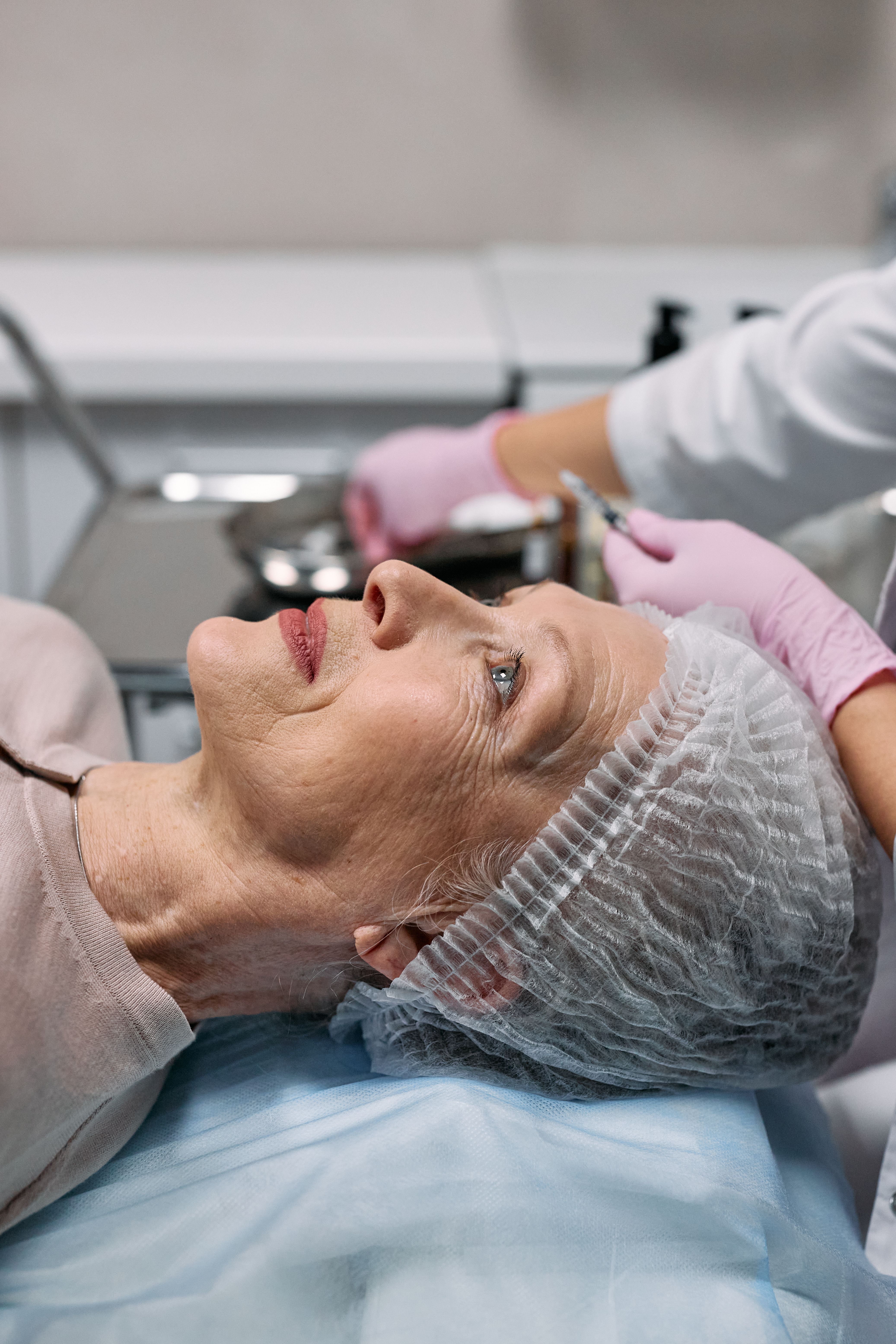
Cosmetic Treatments
Popular options include:
- Botox
- fillers
- laser resurfacing
- chemical peels
Botox can reduce wrinkles temporarily.
These improve appearance—but do not slow biological aging.
What Probably Doesn’t Work (or Has Weak Evidence)
1. Miracle Supplements
Be cautious of products claiming to:
- reverse aging
- regenerate organs
- erase wrinkles overnight
Many anti-aging supplements lack strong human evidence.
Examples often heavily marketed include:
- “age reversal capsules”
- detox products
- collagen miracle pills
Some may help modestly. Many overpromise.
2. Expensive Detox Programs
The body already has detox systems:
- liver
- kidneys
- lungs
Most commercial detox cleanses have weak scientific support.
3. Stem Cell Hype
Stem cell therapy is promising in some medical settings.
But many anti-aging clinics market expensive stem-cell treatments with limited evidence.
Consumers should be cautious.
4. Extreme Longevity Biohacks
Some influencers promote:
- extreme fasting
- unregulated peptides
- experimental drugs
- aggressive IV therapies
Not all are safe.
Expensive does not automatically mean effective.
The Biggest Anti-Aging Myth
One of the biggest myths is:
“Aging itself is the enemy.”
Aging is natural.
The real enemy is:
- preventable disease
- frailty
- chronic inflammation
- inactivity
- poor lifestyle habits
The healthiest older adults often do not rely on expensive treatments.
They consistently practice simple habits.
Final Thoughts
The anti-aging industry sells hope—and sometimes fear.
Some products and therapies can help.
But the strongest evidence still supports surprisingly simple interventions:
- move daily
- sleep well
- eat better
- build muscle
- reduce stress
- stay socially connected
You do not need every trendy longevity treatment to age well.
Sometimes the most powerful anti-aging medicine is found in ordinary daily habits.
Real anti-aging is not about pretending to stay 25 forever.
It is about remaining strong, sharp, independent, and healthy for as long as possible.
References
https://www.babacares.com/blog-details?details=985&title=The+Billion-Dollar+Anti-Aging+Industry%3A+What+Works+and+What+Doesn%E2%80%99t.








Comments