

Why Self-Care Matters More Than Ever After 60: Simple Habits for Better Health and Wellbeing.
Aging is often described as a privilege—and rightly so. Reaching 60 and beyond is a milestone worth celebrating. But growing older also brings unique physical, emotional, and social changes that make self-care more important than ever.
For many older adults, life after 60 includes retirement adjustments, changing family roles, chronic health conditions, grief, loneliness, or reduced mobility. In the middle of these changes, self-care is no longer a luxury—it becomes essential for healthy aging.
Research consistently shows that older adults who practice regular self-care report better physical health, improved mental wellbeing, lower stress levels, and greater life satisfaction.
What Is Self-Care?
Self-care refers to the intentional actions you take to protect and improve your physical, mental, emotional, and spiritual wellbeing.
Self-care does not have to be expensive or complicated. It can be as simple as:
- Taking a daily walk
- Getting enough sleep
- Eating nourishing meals
- Taking medications correctly
- Spending time with loved ones
- Making time for prayer or reflection
Small daily habits can create significant long-term benefits.
Why Self-Care Becomes More Important After 60
1. Your Body Needs More Support
As we age, our bodies naturally change. Muscle mass declines, metabolism slows, bones become more fragile, and recovery takes longer.
This means neglecting health habits can have bigger consequences than before.
Simple self-care practices such as regular movement, hydration, and balanced nutrition help support:
- Stronger muscles
- Better balance
- Improved energy
- Reduced fall risk
- Better heart health
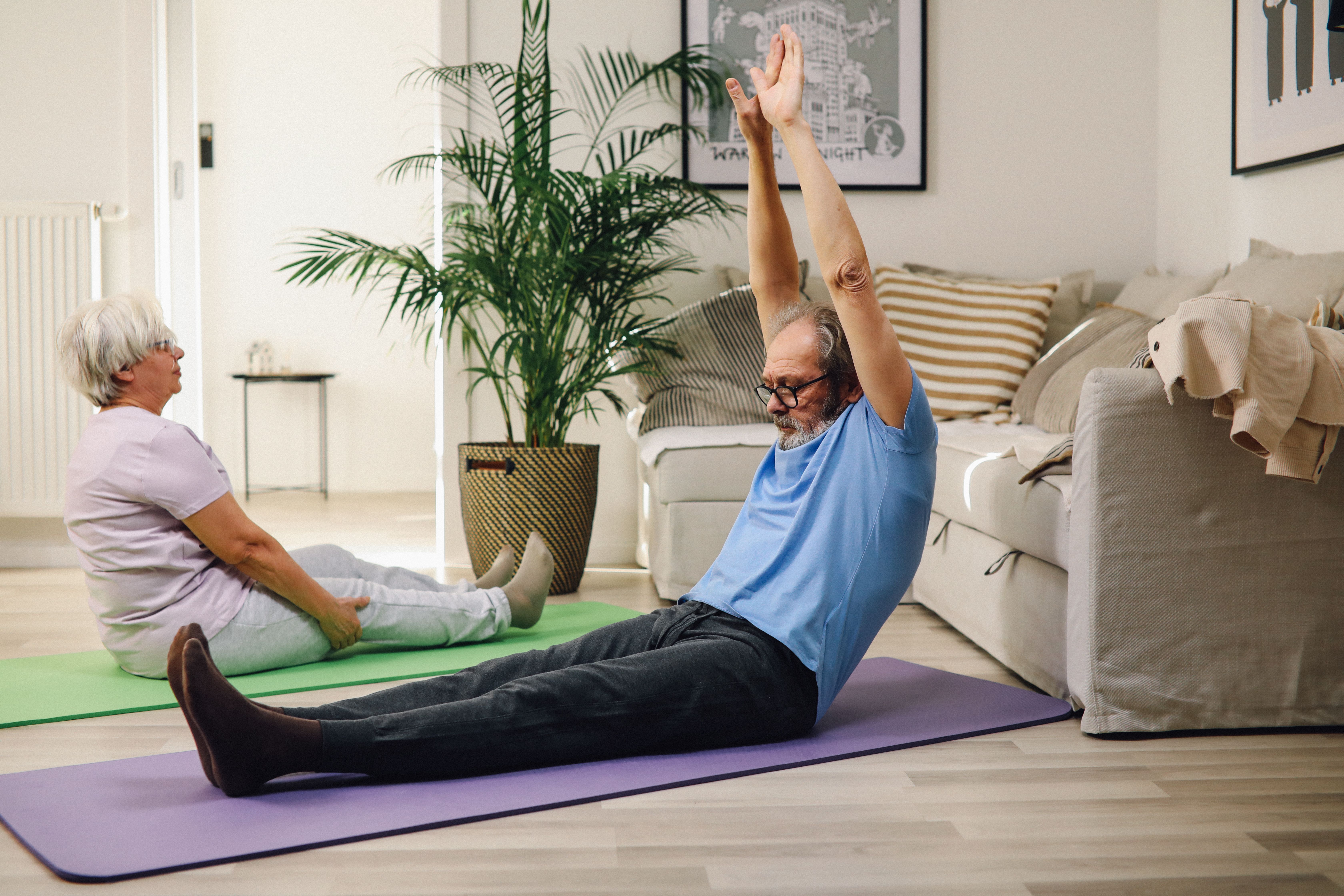
Even light activities such as walking, stretching, or climbing stairs can make a meaningful difference.
2. Mental Health Needs Attention Too
Aging is not only physical—it is emotional.
Many adults over 60 face:
- Retirement-related identity loss
- Empty nest syndrome
- Grief after losing friends or loved ones
- Increased isolation
Without intentional self-care, these stressors can contribute to:
- Anxiety
- Depression
- Poor sleep
- Cognitive decline
Taking care of emotional health matters just as much as taking care of the body.
Practices such as journaling, social connection, gratitude, and mindfulness can improve mental resilience.
3. Self-Care Helps Prevent Burnout for Caregivers
Many adults over 60 are still caregivers themselves.
Some care for:
- Spouses with illness
- Aging parents in their 80s or 90s
- Grandchildren
- Family members with disabilities
Caregiving can be rewarding, but also exhausting.
Without self-care, caregivers risk:
- Chronic fatigue
- High blood pressure
- Emotional burnout
- Depression
You cannot pour from an empty cup.
Taking time to recharge is not selfish—it is necessary.
4. Social Connection Protects Health
One of the biggest threats to healthy aging is loneliness.
Studies show chronic loneliness increases risk of:
- Dementia
- Stroke
- Depression
- Heart disease
- Early death
Self-care includes protecting your social wellbeing.
Stay connected by:
- Calling family
- Joining community groups
- Attending faith gatherings
- Volunteering
- Making new friends
Human connection is powerful medicine.
5. Self-Care Supports Independence
Most seniors want one thing: to remain independent for as long as possible.
Good self-care helps make that possible.
When older adults care for their health, they are more likely to maintain:
- Mobility
- Strength
- Cognitive function
- Confidence
- Ability to age at home
Independence is not preserved by luck alone—it is supported by daily habits.
Practical Self-Care Habits After 60
Here are simple habits that can improve wellbeing:
Move daily
Aim for at least 20–30 minutes of movement.
Prioritize sleep
Good sleep supports memory, mood, and immunity.
Eat nutrient-dense foods
Focus on:
- Fruits
- Vegetables
- Lean protein
- Healthy fats
- Fiber-rich foods
Stay hydrated
Older adults often feel less thirst but still need adequate fluids.
Keep medical appointments
Preventive care matters.
Nurture spiritual health
Prayer, faith, meditation, and reflection provide peace and purpose.
Final Thoughts
Growing older does not mean giving up on quality of life.
In fact, after 60, self-care may be one of the most powerful investments you can make.
Self-care is not vanity.
It is not selfishness.
It is wisdom.
By caring for your body, mind, emotions, relationships, and spirit, you give yourself the best chance to age with strength, dignity, and joy.
Your later years can still be vibrant, meaningful, and fulfilling—one intentional habit at a time.
References
- World Health Organization (WHO). Mental Health of Older Adults.
The WHO highlights that older adults face increased risks of depression, anxiety, loneliness, and reduced functional ability, emphasizing the importance of supportive physical and social environments for healthy aging. Available at: https://www.who.int/news-room/fact-sheets/detail/mental-health-of-older-adults - Ferreira PM, et al. (2026). Influence of Self-Care on the Quality of Life of Elderly People with Chronic Conditions. Healthcare.
This systematic review found that structured self-care interventions improve autonomy, self-efficacy, symptom management, and quality of life among adults aged 60 and older living with chronic diseases. - Casey B, Marston G, Vyas D. (2025). Self-Care Practices in the Context of Older Adults Living Independently. Proceedings of the ACM on Human-Computer Interaction.
This study found that self-care in older adults extends beyond medical care and includes physical, emotional, social, leisure, and spiritual wellbeing. - American Psychological Association (APA). Psychologists Emphasize More Self-Care for Older Adults (2020).
The APA notes that self-care helps older adults better manage stress, uncertainty, health concerns, and emotional challenges associated with aging. - McMaster University Optimal Aging Portal. The Importance of Self-Care: Nurturing Our Well-Being as We Age (2023).
This resource explains how self-care supports physical, mental, and emotional wellbeing in older adults and contributes to healthier aging. - Yanardağ MZ, Özer Ö, Özmenc S. (2021). Investigating Self-Care Agency and Well-Being of Elderly People.
This study found a significant positive relationship between self-care ability and overall wellbeing among older adults. - Levy BR et al. Yale School of Public Health (2026). Positive Attitudes Toward Aging and Improved Health Outcomes.
Research suggests that older adults with more positive perceptions of aging are more likely to experience improvements in physical and cognitive functioning over time.
https://www.babacares.com/blog-details?details=981&title=Why+Self-Care+Matters+More+Than+Ever+After+60%3A+Simple+Habits+for+Better+Health+and+Wellbeing.%C2%A0






Comments