

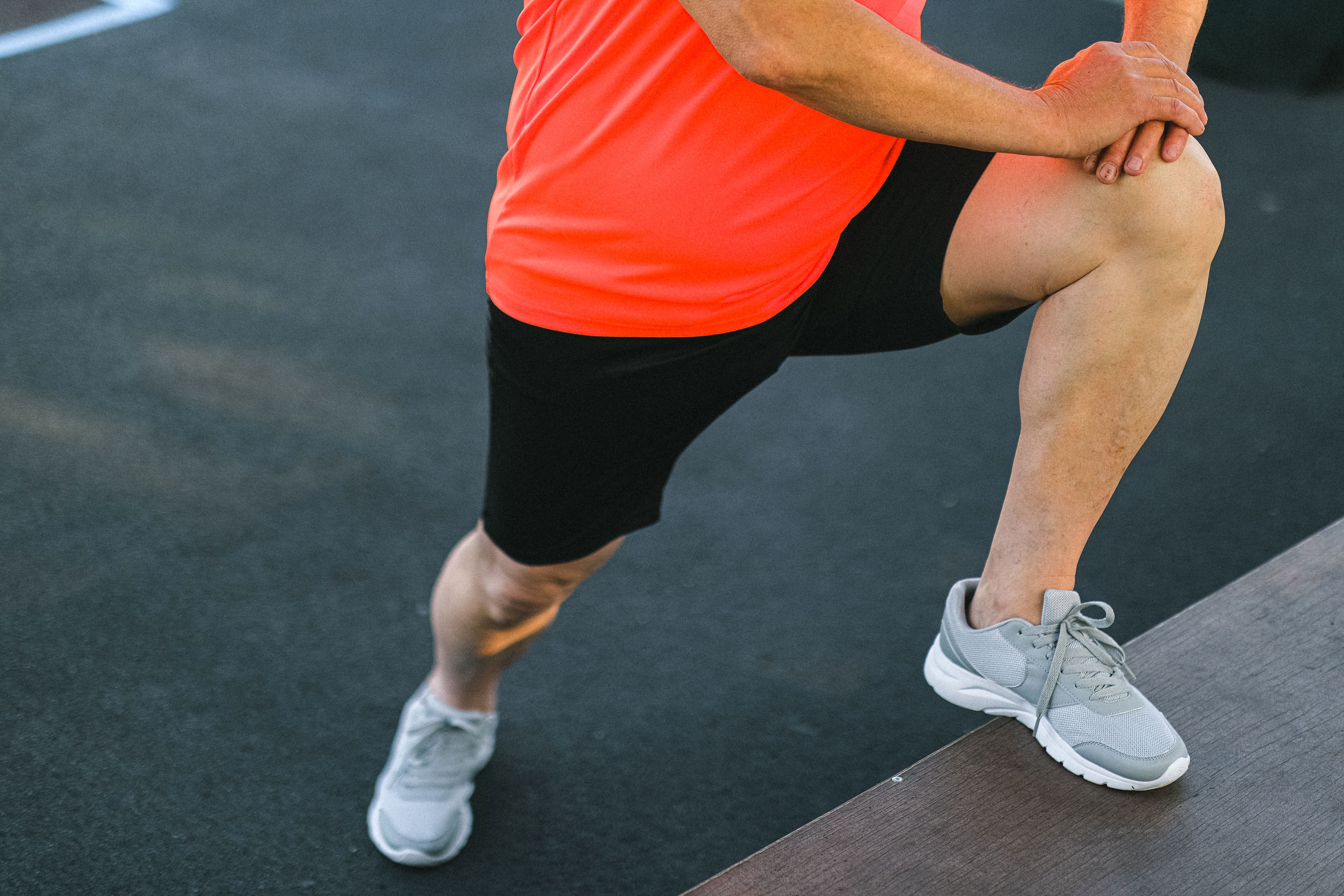
Forget the Gym: Small Daily Movements May Be the Secret to Longevity.
For years, many people have believed that staying healthy requires intense workouts, expensive gym memberships, or rigorous fitness routines.
But emerging science is challenging that belief.
The secret to living longer may not lie in exhausting workouts or lifting heavy weights several times a week.
It may be much simpler:
Move more throughout the day.
Walking to the store.
Taking the stairs.
Standing up regularly.
Doing household chores.
Stretching between tasks.
These small, everyday movements—often called incidental physical activity—may play a powerful role in promoting longevity.
The Power of Everyday Movement
Modern lifestyles have made us increasingly sedentary.
Many people spend hours:
- sitting at desks
- driving
- watching television
- scrolling on phones
Unfortunately, prolonged sitting has been linked to:
- heart disease
- obesity
- diabetes
- poor circulation
- early mortality
This is where small daily movements matter.
Even short bursts of activity throughout the day can improve health.
Examples include:
- walking for 5–10 minutes
- climbing stairs
- gardening
- vacuuming
- carrying groceries
- standing during phone calls
These movements may seem insignificant, but they add up.
Why Walking Matters So Much
Walking remains one of the most underrated forms of exercise.
It is:
- free
- accessible
- low impact
- suitable for nearly all ages
Research continues to show that regular walking improves:
- cardiovascular health
- blood pressure
- blood sugar control
- joint mobility
- mood
- brain function
Walking also reduces the risk of premature death.
You do not need marathon distances to benefit.
Even moderate daily walking can produce measurable health gains.
Stairs: Nature’s Mini Workout
Climbing stairs is one of the simplest ways to improve fitness.
It strengthens:
- leg muscles
- glutes
- core stability
- heart and lungs
A few flights of stairs daily can significantly improve cardiovascular conditioning.
For busy people, stairs provide a quick way to incorporate exercise without scheduling a workout session.
Movement and Healthy Aging
For older adults, movement becomes even more important.
Regular movement helps seniors maintain:
- balance
- strength
- mobility
- independence
It also reduces fall risk.
A sedentary lifestyle accelerates muscle loss, frailty, and loss of independence.
In contrast, small frequent movement helps preserve function.
This is one reason many longevity researchers study Blue Zones—regions where people live unusually long lives.
One common pattern emerges:
People in these communities do not necessarily “exercise” in the modern sense.
Instead, movement is naturally built into daily life.
They walk often.
They garden.
They climb hills.
They remain physically active throughout the day.
Their bodies keep moving.
You Don’t Need Perfect Workouts
Many people avoid exercise because they think:
“If I can’t do a full workout, why bother?”
That mindset can be harmful.
Health is not all-or-nothing.
Small actions matter.
Three minutes of walking is better than none.
One staircase is better than the elevator.
Ten squats while cooking is better than sitting all evening.
Consistency beats intensity.
Practical Ways to Move More Daily
You can improve your health by building movement into everyday routines:
Walk whenever possible
Park farther away or take short walks after meals.
Choose stairs
Skip elevators when safe and practical.
Break up sitting time
Stand or walk every 30–60 minutes.
Move during screen time
Stretch or walk while watching TV.
Turn chores into exercise
Cleaning, laundry, and gardening all count.
Final Thoughts
The gym can be helpful, but it is not the only path to better health.
The human body was designed to move regularly—not just during scheduled workouts.
New science suggests that the small movements we repeat every day may have enormous long-term benefits.
So if you feel discouraged about exercise, remember this:
You do not need perfection.
You do not need expensive equipment.
You do not need intense workouts.
Sometimes, longevity begins with something as simple as:
taking the next step.
References
https://www.babacares.com/blog-details?details=979&title=Forget+the+Gym%3A+Small+Daily+Movements+May+Be+the+Secret+to+Longevity.









Comments