

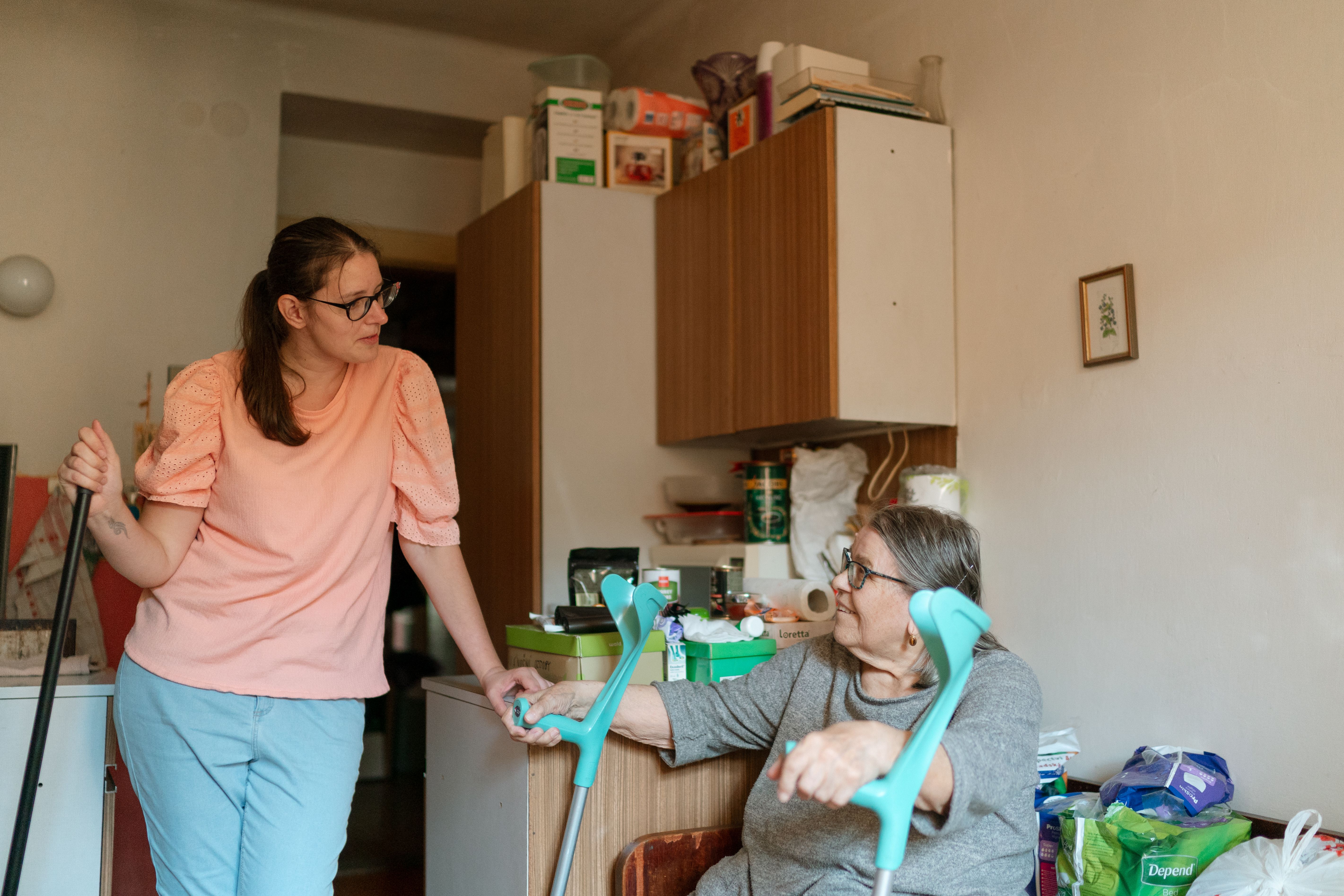
Canada’s Home Care Shortage Is Leaving More Seniors Vulnerable.
Canada is aging rapidly, and with that comes a growing demand for home care services. More seniors want to age safely and comfortably in their own homes rather than move into long-term care facilities. However, a serious shortage of Personal Support Workers (PSWs) and home care staff is making that increasingly difficult.
The result is alarming: many older adults are now going without the support they need for daily living, medication management, mobility assistance, hygiene, and companionship.
The Growing Home Care Crisis in Canada
Home care plays a critical role in helping seniors maintain independence. For many older adults, even simple daily activities such as bathing, dressing, preparing meals, or moving safely around the house require assistance.
Unfortunately, Canada’s home care system is under severe pressure.
Across the country, agencies are struggling to recruit and retain enough qualified PSWs, caregivers, and nurses. Staff shortages have created longer wait times, missed visits, reduced hours of care, and increased burnout among existing workers.
For seniors, delayed care can quickly become dangerous.
A missed visit may mean:
- medications are not taken on time
- meals are skipped
- falls go unnoticed
- infections worsen
- isolation deepens
What starts as a staffing issue can quickly become a health crisis.
Why Are PSWs in Short Supply?
Several factors are contributing to the shortage of PSWs in Canada.
1. Rising Demand From an Aging Population
Canada now has more seniors than ever before. As baby boomers age, demand for home care continues to surge.
Many seniors prefer aging at home because it provides comfort, familiarity, and dignity.
2. Burnout and Workforce Stress
PSW work is physically and emotionally demanding.
Care workers often manage:
- heavy lifting
- long hours
- difficult schedules
- emotional stress
- travel between clients
Burnout has pushed many workers to reduce hours or leave the profession entirely.
3. Compensation Challenges
Despite the critical nature of their work, many PSWs feel underpaid relative to the physical and emotional demands of the job.
Low wages can make recruitment and retention difficult.
4. Travel and Scheduling Issues
In community home care, caregivers often spend significant time traveling between clients.
Short visits combined with travel reduce efficiency and increase fatigue.
How Seniors Are Being Affected
The people suffering most are seniors and their families.
Without reliable home support, many older adults face increased vulnerability.
Common consequences include:
Increased Risk of Falls
Seniors who need mobility support are more likely to fall when assistance is delayed.
Falls can lead to fractures, hospitalization, and long-term disability.
Poor Nutrition
Without help preparing meals or grocery shopping, some seniors struggle to eat properly.
Malnutrition can worsen frailty and chronic illness.
Medication Errors
Missed or delayed caregiver visits can result in skipped medication doses or incorrect administration.
This can be dangerous for seniors with multiple health conditions.
Social Isolation
Home care workers often provide more than physical assistance—they offer emotional support and companionship.
When visits are reduced, loneliness increases.
This matters because loneliness has been linked to:
- depression
- dementia
- stroke
- early death
Families Are Under Pressure Too
The home care shortage affects families as much as seniors.
When formal care is unavailable, family members often step in.
Many unpaid caregivers juggle:
- full-time jobs
- childcare
- financial responsibilities
- caregiving duties
This creates enormous stress and increases caregiver burnout.
Canada is facing not only a senior care crisis but also a family caregiver crisis.
What Canada Must Do
Addressing the home care shortage requires urgent action.
Canada needs to:
Improve PSW wages and benefits
Competitive compensation can help retain experienced workers.
Expand training programs
More accessible caregiver education can strengthen workforce supply.
Improve working conditions
Better scheduling, travel compensation, and support systems can reduce burnout.
Increase home care funding
Governments must invest more in community-based elder care.
Final Thoughts
A society is often judged by how it treats its most vulnerable members.
Canada’s seniors deserve safe, timely, and compassionate care.
Home care is not a luxury—it is essential healthcare.
Unless urgent action is taken to address PSW shortages, more seniors will face avoidable suffering, declining health, and unnecessary hospitalization.
As Canada continues to age, strengthening home care must become a national priority.
The question is no longer whether we need more caregivers.
The real question is:
How quickly can we act before more seniors are left behind?
References
https://www.babacares.com/blog-details?details=978&title=Canada%E2%80%99s+Home+Care+Shortage+Is+Leaving+More+Seniors+Vulnerable.











Comments