

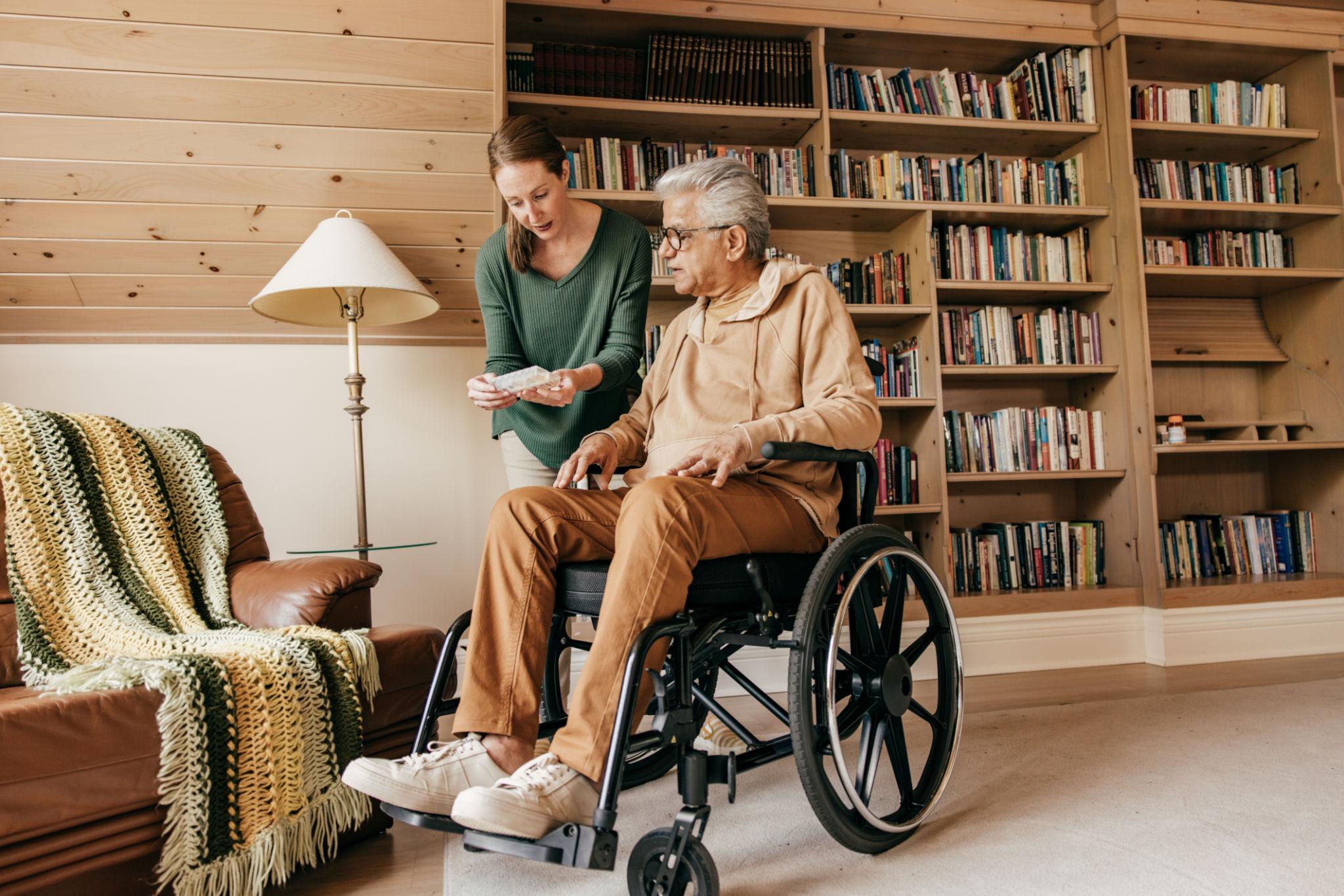
Canadians Are Living Longer—But Not Healthier, New Data Reveals
For decades, longer life expectancy has been viewed as a major sign of progress in healthcare and public health. Canadians are living longer than previous generations thanks to advances in medicine, improved disease management, and better access to healthcare.
But new data reveals a troubling reality:
Living longer does not necessarily mean living healthier.
Recent health statistics show that Canada’s health-adjusted life expectancy (HALE) has dropped to 66.9 years, raising serious concerns about the quality of life many Canadians experience as they age.
At Babacares, we believe this is one of the most important conversations in modern healthcare—not just how long we live, but how well we live.
What Is Health-Adjusted Life Expectancy?
Health-adjusted life expectancy, often called HALE, measures the number of years a person is expected to live in good physical and mental health.
Unlike regular life expectancy, HALE takes into account years lived with:
- Chronic illness
- Disability
- Reduced mobility
- Mental health challenges
- Functional limitations
In simple terms:
Life expectancy tells us how long we live.
HALE tells us how long we live well.
That difference matters.
A person may live to 83 years old, but if health-adjusted life expectancy is 66.9 years, that suggests many people spend more than 15 years living with illness, pain, disability, or reduced independence.
Why Has Healthy Life Expectancy Declined?
Experts point to several contributing factors.
1. Rise in Chronic Diseases
Chronic illnesses continue to rise across Canada.
Major conditions affecting older adults include:
- Diabetes
- High blood pressure
- Heart disease
- Arthritis
- Obesity
- Stroke
- Dementia
These conditions may not always shorten lifespan immediately—but they can greatly reduce quality of life.
Many Canadians are surviving serious illnesses but living longer with complications.
2. Pandemic Aftereffects
The COVID-19 pandemic left lasting effects on public health.
Its impact extends beyond infection.
Experts continue to observe increases in:
- Delayed diagnoses
- Reduced physical activity
- Mental health struggles
- Long COVID symptoms
- Social isolation
Older adults were especially affected.
Many seniors experienced prolonged isolation, reduced mobility, and worsening chronic conditions during and after the pandemic.
3. Mental Health Challenges
Mental wellbeing plays a major role in healthy aging.
Growing concerns include:
- Anxiety
- Depression
- Burnout
- Loneliness
- Sleep disorders
Social isolation, especially among older adults, has become a major health concern.
Research increasingly links loneliness to:
- Dementia
- Heart disease
- Poor immunity
- Early mortality
4. Sedentary Lifestyle
Modern lifestyles encourage prolonged sitting and reduced movement.
Physical inactivity increases risk for:
- Obesity
- Weak muscles
- Falls
- Poor circulation
- Reduced cardiovascular health
Small daily movement matters more than many realize.
Walking, stretching, gardening, and regular mobility can significantly improve long-term health.
Why This Matters for Aging Canadians
Canada is now a super-aged nation, with more than 20% of the population aged 65 or older.
That means millions of Canadians are entering retirement and older age at a time when healthy life expectancy is declining.
This raises difficult questions:
- Will seniors remain independent longer?
- Will more families become caregivers?
- Can the healthcare system cope?
- Will long-term care demand increase?
The gap between lifespan and healthspan has major implications.
The Growing Burden on Caregivers
When seniors live longer with illness or disability, caregiving demands rise.
This affects:
- Family caregivers
- Personal Support Workers (PSWs)
- Nurses
- Home care providers
- Long-term care staff
Caregivers often help with:
- Bathing
- Mobility
- Medication reminders
- Meal preparation
- Emotional support
- Medical appointments
As health-adjusted life expectancy declines, caregiver demand increases.
This adds pressure to a healthcare workforce already experiencing shortages and burnout.
Can Healthy Life Expectancy Improve?
The good news is yes.
Many factors influencing healthspan are modifiable.
Experts emphasize prevention through:
Regular Exercise
Movement improves:
- Heart health
- Brain function
- Strength
- Balance
Healthy Nutrition
A balanced diet helps prevent chronic disease.
Quality Sleep
Poor sleep accelerates physical and cognitive decline.
Social Connection
Strong relationships support mental and emotional health.
Preventive Healthcare
Regular checkups can detect disease early.
Stress Management
Chronic stress contributes to inflammation and illness.
These habits may not add decades to life overnight—but they can improve the quality of later years.
Final Thoughts
The latest Canadian data sends a clear message:
Living longer is not enough.
The true goal should be living longer with health, dignity, mobility, and independence.
At Babacares, we believe healthy aging means focusing not only on lifespan but also on healthspan.
The question should not simply be:
“How many years do I have?”
It should also be:
“How many of those years can I truly enjoy?”
Because a longer life is most meaningful when it is also a healthier one.
References
Statistics Canada
Canadian Institute for Health Information (CIHI)
World Health Organization (WHO)
Public Health Agency of Canada
https://www.babacares.com/blog-details?details=972&title=Canadians+Are+Living+Longer%E2%80%94But+Not+Healthier%2C+New+Data+Reveals











Comments