

FIFA World Cup 2026 and Alcohol Consumption in Canada: A Public Health Perspective
By Babacares Health & Wellness
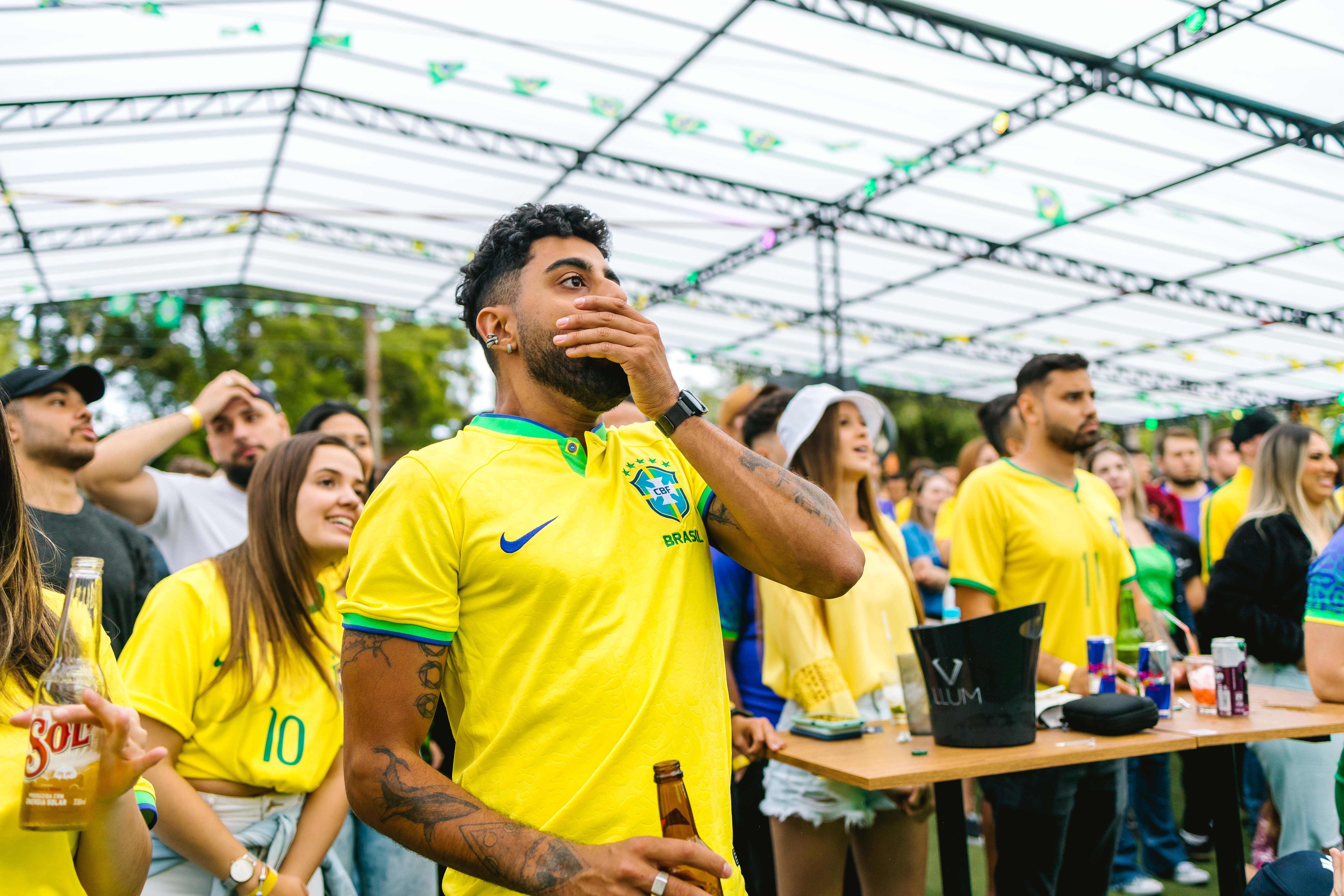
As Canada prepares to co-host the FIFA World Cup 2026 alongside the United States and Mexico, excitement is building across the country. Millions of fans are expected to attend matches, gather in public viewing areas, visit bars and restaurants, and participate in celebrations.
While the tournament promises economic benefits, tourism growth, and national pride, public health experts are also paying attention to another likely consequence: increased alcohol consumption.
Why Major Sporting Events Often Increase Alcohol Use
Large sporting events have long been associated with increased alcohol sales and consumption. Football fans frequently gather in social settings where alcoholic beverages are readily available, whether at stadiums, sports bars, restaurants, fan zones, or private watch parties.
Research from previous World Cups, European Championships, and other international sporting events suggests that alcohol consumption often rises during major tournaments due to:
- Increased social gatherings
- Extended viewing hours
- Celebratory drinking after victories
- Emotional reactions to wins and losses
- Aggressive alcohol marketing and sponsorships
For many fans, drinking is viewed as part of the game-day experience.
What This Could Mean for Canada
Canada is expected to welcome hundreds of thousands of visitors during the tournament. Host cities such as Toronto and Vancouver will experience increased activity in hospitality and entertainment sectors.
As a result, public health officials may observe:
Higher Alcohol Sales
Restaurants, bars, liquor stores, and event venues are likely to experience increased demand during the tournament.
Increased Risk of Impaired Driving
Celebratory drinking can increase the risk of impaired driving incidents. Law enforcement agencies often increase roadside checks during major sporting events.
Emergency Department Visits
Past international sporting events have shown temporary increases in alcohol-related injuries, accidents, and emergency room visits.
Impact on Mental Health
While moderate social drinking may be harmless for many adults, excessive alcohol use can contribute to anxiety, depression, poor sleep, and impaired judgment.
Young People and Alcohol Exposure
Another public health concern involves increased exposure of young people to alcohol advertising and drinking culture during major sporting events.
When alcohol becomes closely associated with celebration, success, and entertainment, younger viewers may develop more positive attitudes toward drinking.
Parents and caregivers can play an important role by discussing responsible decision-making and healthy lifestyle choices with young people.
Celebrating Responsibly
The World Cup should be a time of enjoyment, community spirit, and cultural exchange. Public health experts encourage Canadians to celebrate responsibly by:
- Setting limits before drinking
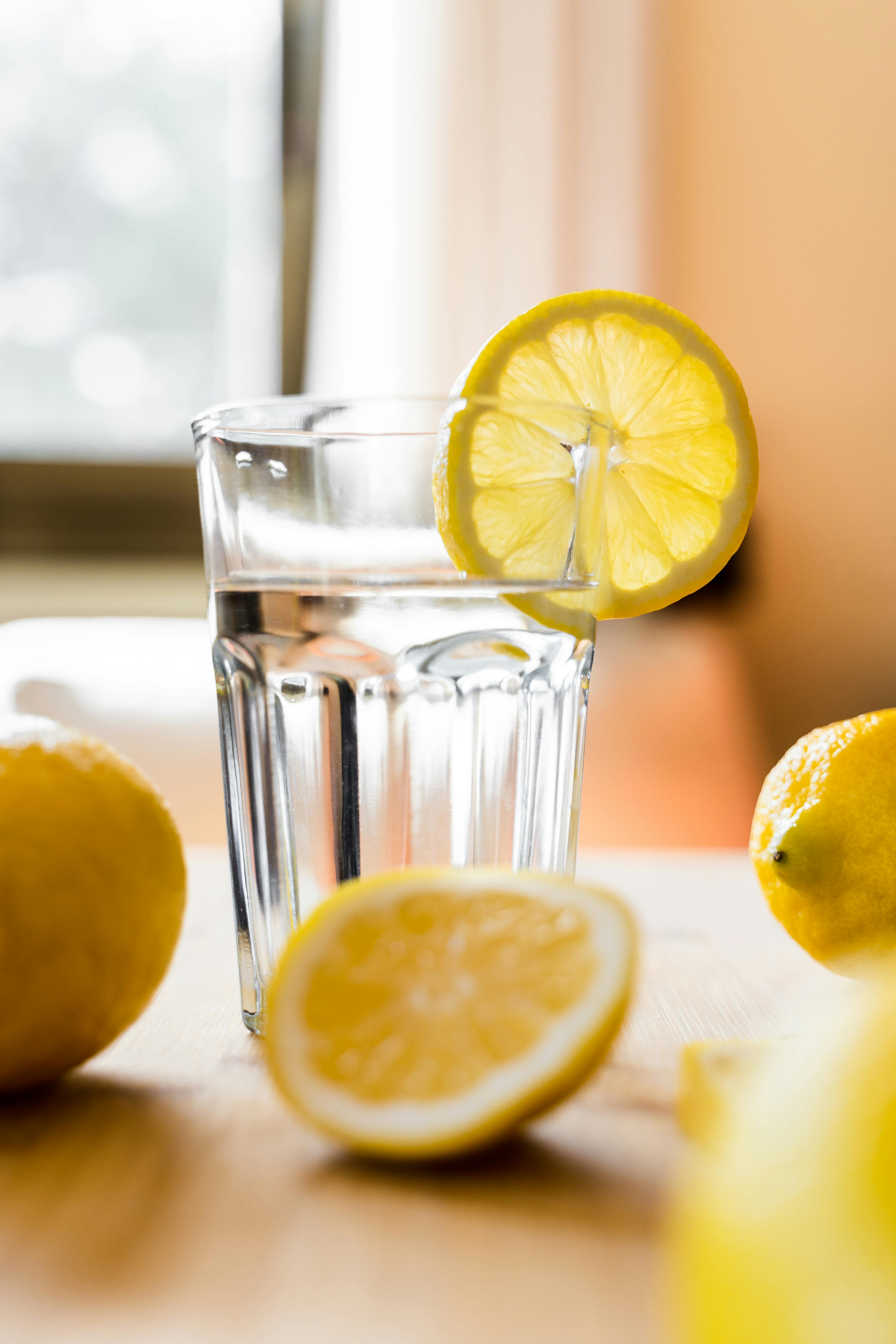
- Alternating alcoholic beverages with water
- Eating before and during alcohol consumption
- Using designated drivers, taxis, or public transportation
- Looking out for friends and family members
- Choosing alcohol-free alternatives when appropriate
The Rise of Alcohol-Free Options
One positive trend is the growing popularity of alcohol-free beers, wines, and mocktails. Many Canadians are embracing healthier ways to participate in social events without the risks associated with excessive drinking.
This trend may help balance some of the public health challenges associated with large-scale sporting celebrations.
The Bottom Line
The FIFA World Cup 2026 is expected to bring excitement, tourism, and economic opportunities to Canada. Like many major sporting events, it may also contribute to increased alcohol consumption among some individuals.
The challenge for public health authorities, communities, and fans is not to discourage celebration but to encourage responsible choices. By balancing enjoyment with awareness, Canadians can help ensure that the world's biggest football tournament leaves a positive legacy both on and off the field.
References
- World Health Organization (WHO). Alcohol and Public Health.
- Canadian Centre on Substance Use and Addiction (CCSA).
- Public Health Agency of Canada (PHAC).
- FIFA World Cup 2026 Host City Information.
- Centre for Addiction and Mental Health (CAMH), Ontario.
https://www.babacares.com/blog-details?details=970&title=FIFA+World+Cup+2026+and+Alcohol+Consumption+in+Canada%3A+A+Public+Health+Perspective







Comments