

Ebola Outbreak 2026: What Canadians Need to Know as WHO Monitors New Cases in Africa
Recent Ebola outbreaks reported in the Democratic Republic of the Congo (DRC) and Uganda have renewed global attention on one of the world's most serious infectious diseases. While the World Health Organization (WHO) continues to monitor the situation closely, Canadian health authorities emphasize that the current risk to Canada remains low.
The Public Health Agency of Canada (PHAC) has confirmed that there have been no reported cases of Ebola in Canada, and public health systems remain prepared to respond should the situation change.
What Is Ebola?
Ebola Virus Disease (EVD) is a rare but severe viral illness caused by viruses belonging to the Filoviridae family. It is classified as a Viral Hemorrhagic Fever (VHF), a group of diseases that can affect multiple organs and blood vessels.
In severe cases, Ebola can cause:
- High fever
- Severe weakness and fatigue
- Muscle pain
- Vomiting and diarrhea
- Organ dysfunction
- Internal and external bleeding
- Death
Although Ebola has a high mortality rate in some outbreaks, early detection and supportive medical care significantly improve survival outcomes.
Why Is Ebola Back in the News?
In May 2026, Ebola outbreaks were declared in parts of the Democratic Republic of the Congo and Uganda. Due to regional travel and population movement, neighboring countries such as South Sudan have also been identified as being at increased risk.
Despite these developments, Canadian public health officials continue to assess the risk to Canadians as low, thanks to ongoing surveillance, border screening measures, and strong infection-control systems.
How Does Ebola Spread?
Unlike respiratory viruses such as influenza or COVID-19, Ebola does not spread easily.
Transmission occurs through direct contact with infected blood or bodily fluids.
A person can become infected through:
- Contact with blood, saliva, vomit, urine, feces, sweat, or other bodily fluids from someone with Ebola
- Contact with contaminated medical equipment, clothing, bedding, or surfaces
- Exposure during pregnancy, childbirth, or breastfeeding
- Contact with infected animals in outbreak regions
Importantly, individuals with Ebola are not contagious before symptoms begin.
Is Ebola Airborne?
No.
Current evidence shows that Ebola is not spread through normal airborne transmission between people. However, certain medical procedures that generate aerosols may increase the risk of transmission in healthcare settings, which is why healthcare workers use specialized protective measures.
Signs and Symptoms of Ebola
Incubation Period
Symptoms may develop anywhere from 2 to 21 days after exposure, though they most commonly appear within 6 to 10 days.
Early Symptoms
Early Ebola symptoms often resemble other viral illnesses and may include:
- Sudden fever
- Chills
- Extreme fatigue
- Muscle aches
- Headache
- Sore throat
Progressive Symptoms
As the illness advances, patients may experience:
- Nausea and vomiting
- Diarrhea
- Abdominal pain
- Rash
- Red eyes (conjunctivitis)
- Eye inflammation
Severe Symptoms
In advanced stages, Ebola may cause:
- Kidney impairment
- Liver dysfunction
- Unexplained bruising
- Internal bleeding
- External bleeding
How Can Canadians Protect Themselves?
For the general public, the risk remains very low. However, good infection prevention habits remain important.
Health experts recommend:
1. Practice Good Hand Hygiene
Wash hands frequently with soap and water or use alcohol-based hand sanitizer.
2. Avoid Contact with Bodily Fluids
Avoid direct exposure to blood or bodily fluids from anyone who is ill.
3. Follow Travel Advisories
If travelling internationally, stay informed about current public health advisories and outbreak updates.
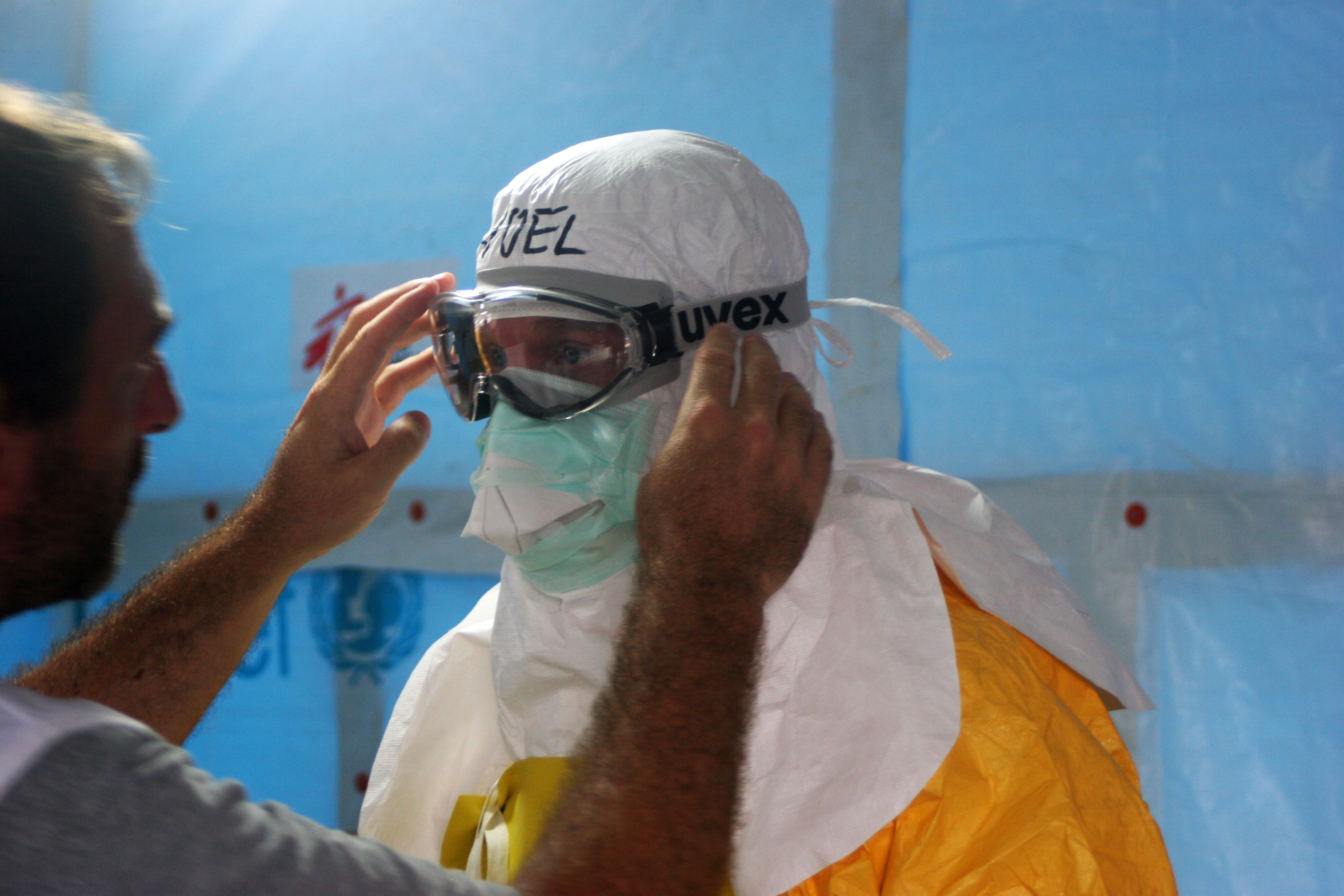
4. Use Appropriate Protective Equipment
Healthcare workers should continue using Personal Protective Equipment (PPE) according to risk assessments and workplace protocols.
5. Stay Home When Sick
Individuals experiencing symptoms after recent travel to affected areas should seek medical advice immediately and avoid public settings.
Is There a Vaccine or Treatment?
At the time of this outbreak, health authorities report that there are no approved vaccines or treatments specifically available for the outbreak strain involved.
However, supportive medical care, early diagnosis, and strict infection prevention measures remain critical tools for improving outcomes and limiting spread.
What Should You Do If You Think You Were Exposed?
Seek medical attention immediately if:
- You develop symptoms consistent with Ebola, and
- You have travelled within the previous 21 days to an affected area, or
- You have had direct contact with a suspected or confirmed Ebola case.
If you work in healthcare, notify your supervisor immediately and follow your organization's infection prevention protocols.
The Bottom Line
While Ebola remains one of the world's most serious infectious diseases, the current risk to Canadians is low. Public health authorities continue to monitor the outbreaks in Africa, maintain border screening measures, and ensure healthcare systems remain prepared.
Awareness—not panic—is the appropriate response. Understanding how Ebola spreads, recognizing symptoms, and following public health guidance can help keep communities safe.
As always, reliable information from trusted health organizations remains your best defense against misinformation.
References
- World Health Organization (WHO). Ebola Virus Disease Fact Sheet.
- Public Health Agency of Canada (PHAC). Ebola Virus Disease Information for Canadians.
- Centers for Disease Control and Prevention (CDC). Ebola (Ebola Virus Disease).
- Government of Canada. Travel Health Notices and Emerging Infectious Disease Updates.
- Infection Prevention and Control Canada (IPAC Canada) Guidance Documents.
https://www.babacares.com/blog-details?details=967&title=Ebola+Outbreak+2026%3A+What+Canadians+Need+to+Know+as+WHO+Monitors+New+Cases+in+Africa











Comments