

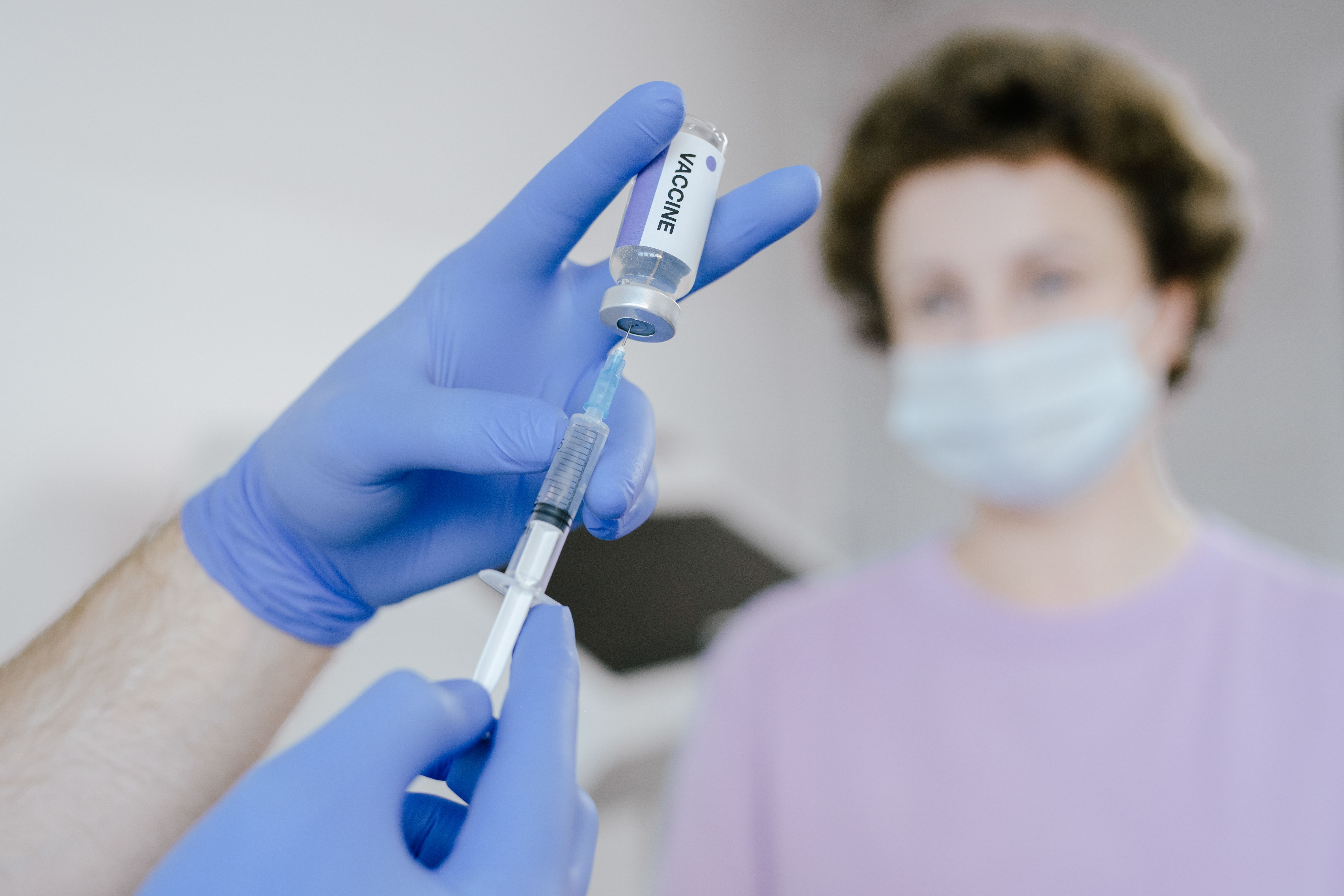
Vaccine Safety in Canada Explained: Facts vs Fear Every Family Should Understand.
Vaccines are one of modern medicine’s greatest success stories.
They have helped prevent deadly diseases, protect children, reduce outbreaks, and save millions of lives worldwide.
Yet despite decades of scientific success, vaccines remain one of the most misunderstood health topics in Canada and globally.
Some people trust them completely.
Others feel uncertain, confused, or afraid.
Questions such as:
“Are vaccines really safe?”
“What about side effects?”
“Why are some people still worried?”
have become increasingly common.
In today’s world of social media opinions, viral videos, and health misinformation, separating facts from fear has become more important than ever.
So what should Canadian families actually know about vaccine safety?
How Vaccine Safety Works in Canada
Many people assume vaccines simply appear on pharmacy shelves after quick approval.
That is not how the process works.
In Canada, vaccines go through strict testing and safety reviews before approval.
According to the Government of Canada, vaccines must undergo:
- Laboratory research
- Clinical trials involving human volunteers
- Safety evaluations
- Scientific review by experts
- Regulatory approval by Health Canada
Even after approval, monitoring continues.
This means vaccine safety does not stop after vaccines become available. (canada.ca)
Do Vaccines Have Side Effects?
Yes.
Like almost all medicines, vaccines can cause side effects.
However, experts say most side effects are mild and temporary.
Common reactions may include:
- Soreness at the injection site
- Mild fever
- Tiredness
- Muscle aches
- Temporary swelling
These symptoms usually improve quickly.
Health experts say mild reactions are often signs that the immune system is responding.
Severe reactions are considered rare, but health systems continue monitoring for them carefully. (canada.ca)
Why Some Canadians Still Feel Afraid
Fear around vaccines often comes from several sources.
1. Social media misinformation
Health misinformation spreads quickly online.
False claims, misleading videos, and emotional stories sometimes travel faster than scientific evidence.
Many experts say fear often grows when people encounter information without context.
2. Personal stories
Hearing about someone who had a bad reaction can be frightening.
But health experts emphasize:
Personal stories matter—but large scientific studies matter too.
Doctors evaluate vaccine safety using millions of data points—not isolated experiences alone.
3. COVID-19 changed public trust
The pandemic created intense public debate around vaccines.
For some Canadians, trust in public-health institutions became complicated.
Experts say rebuilding trust requires honest conversations—not judgment.
What Happens if Someone Has a Serious Vaccine Reaction?
Many Canadians do not know this:
Canada has a Vaccine Injury Support Program (VISP) designed to help people who experience rare, serious adverse reactions following approved vaccines.
The program exists because health authorities acknowledge that while vaccines are generally very safe, serious reactions can occasionally happen.
Eligible individuals may receive financial support for vaccine-related injuries that meet program requirements. (canada.ca)
This system reflects an important public-health principle:
Vaccine safety includes accountability.
Why Vaccines Still Matter
Vaccines help protect against diseases that once caused devastating outbreaks.
These include:
- Measles
- Polio
- Tetanus
- Meningitis
- Influenza complications
- COVID-19 complications
Many younger Canadians have never witnessed large outbreaks of some diseases precisely because vaccination programs worked so effectively.
One challenge today is this:
When diseases become rare, people sometimes forget how dangerous they once were.
Health experts warn that falling vaccination rates can lead to disease resurgence.
Recent measles outbreaks globally are one example. (who.int)
Facts vs Fear: What Families Should Remember
Fear: “Vaccines are rushed.”
Fact: Vaccines in Canada go through extensive testing and monitoring.
Fear: “Nobody tracks side effects.”
Fact: Canada actively monitors vaccine safety even after approval.
Fear: “Vaccines always cause serious problems.”
Fact: Serious reactions are rare, though monitoring and support systems exist.
Fear: “Healthy people don’t need vaccines.”
Fact: Vaccines help protect both individuals and communities, including vulnerable people.
Fear: “Online influencers know more than doctors.”
Fact: Health decisions are safest when guided by evidence-based medical expertise.
What Families Should Do
Ask questions
It is okay to ask healthcare providers questions about vaccines.
Good healthcare includes open conversation.
Use trusted sources
Look for information from:
- Health Canada
- Public Health Agency of Canada
- Doctors
- Public-health organizations
- Credible hospitals
Keep records updated
Ensure family vaccination schedules stay current.
Avoid panic and pressure
Healthcare decisions should be informed—not fear-driven.
Final Thoughts
Vaccines are not perfect.
No medical treatment is.
But decades of evidence show vaccines remain among the safest and most effective public-health tools available.
The goal is not blind trust.
The goal is informed trust based on facts.
Families deserve honest conversations about risks, benefits, and safety.
Because good healthcare is not about fear.
It is about informed decisions.
And in Canada, vaccine safety remains something experts continue to monitor carefully—every single day.
References
- Government of Canada – Vaccine Safety in Canada
- Government of Canada – Vaccine Injury Support Program
- World Health Organization – Vaccine Safety Basics
- Public Health Agency of Canada – Immunization Information
- World Health Organization – Measles Fact Sheet
https://www.babacares.com/blog-details?details=966&title=Vaccine+Safety+in+Canada+Explained%3A+Facts+vs+Fear+Every+Family+Should+Understand.









Comments