


Zoonotic Diseases Explained: Animal Diseases That Could Affect Human Health.
Most people never imagine that a simple pet, farm animal, or wildlife encounter could affect human health.
But health experts say many serious human illnesses actually begin in animals.
From bird flu and rabies to salmonella and monkeypox, diseases that spread from animals to humans—known as zoonotic diseases—continue to concern scientists around the world.
In fact, experts estimate that more than 60% of known infectious diseases in humans come from animals, while many newly emerging infections also originate in animals. (who.int)
The lesson?
Animal health and human health are more connected than many families realize.
What Are Zoonotic Diseases?
Zoonotic diseases are illnesses that spread between animals and humans.
Transmission can happen through:
- Animal bites or scratches
- Contact with saliva, blood, urine, or feces
- Contaminated food or water
- Insect bites (such as mosquitoes or ticks)
- Close contact with infected animals
Sometimes animals appear completely healthy while still carrying disease.
This makes awareness especially important.
Why Are Experts Paying More Attention?
Recent global outbreaks have reminded scientists that animal diseases can quickly become major public-health concerns.
Experts say factors increasing zoonotic disease risks include:
- Climate change
- Increased travel
- Deforestation
- Wildlife trade
- Population growth
- Backyard animal farming
- Closer human-animal contact
The World Health Organization warns that changing environments may increase opportunities for diseases to jump between animals and humans. (who.int)
1. Bird Flu (Avian Influenza)
One animal disease receiving increased global attention is bird flu.
Bird flu mainly affects birds but has occasionally infected humans.
Most human cases happen through close contact with infected poultry or contaminated environments.
Symptoms may include:
- Fever
- Cough
- Breathing difficulty
- Severe respiratory illness
Health authorities monitor bird flu closely because of concerns about possible mutation and wider spread.
While risk to the general public remains low, surveillance continues worldwide.
2. Rabies: One of the Deadliest Animal Diseases
Rabies remains one of the most dangerous zoonotic diseases.
It spreads through bites or scratches from infected animals, especially:
- Dogs
- Bats
- Foxes
- Wild animals
Once symptoms begin, rabies is almost always fatal.
However, prompt medical treatment after exposure can prevent illness.
WHO estimates thousands of people—especially children in Africa and Asia—still die from rabies each year. (who.int)
3. Salmonella from Pets and Poultry
Many people associate salmonella only with contaminated food.
But pets and backyard poultry can also spread bacteria.
Animals linked to salmonella include:
- Chickens
- Ducks
- Turtles
- Lizards
- Rodents
- Puppies and kittens
Children are especially vulnerable because they often touch animals and then touch food or their mouths.
Simple handwashing greatly reduces risk.
4. Hantavirus from Rodents
Rodents such as mice can carry hantavirus, a rare but serious illness.
People may become infected after breathing particles contaminated by rodent urine or droppings.
Risk often increases during:
- Cottage cleaning
- Barn work
- Basement cleaning
- Rural outdoor activities
Public-health agencies say risk remains low but awareness matters.
5. Tick-Borne Diseases
Ticks are small insects—but they can carry dangerous infections.
Diseases linked to ticks include:
- Lyme disease
- Rocky Mountain spotted fever
- Other bacterial infections
Risk increases during:
- Camping
- Hiking
- Gardening
- Outdoor activities in grassy areas
Health experts recommend checking the skin after outdoor exposure.
6. Monkeypox (Mpox)
Mpox (formerly called monkeypox) is another example of a disease connected to animals.
Although human-to-human spread occurs, the virus originally comes from animals.
Symptoms may include:
- Fever
- Rash
- Fatigue
- Swollen lymph nodes
Recent outbreaks reminded the world that zoonotic diseases can spread unexpectedly.
Why Children Are Often More Vulnerable
Children face higher risks because:
- Their immune systems are still developing
- They touch animals frequently
- They often forget hand hygiene
- They are more likely to cuddle or kiss pets
This does not mean children should avoid animals.
Pets offer major emotional and developmental benefits.
But healthy habits matter.
What Families Must Do to Stay Safe
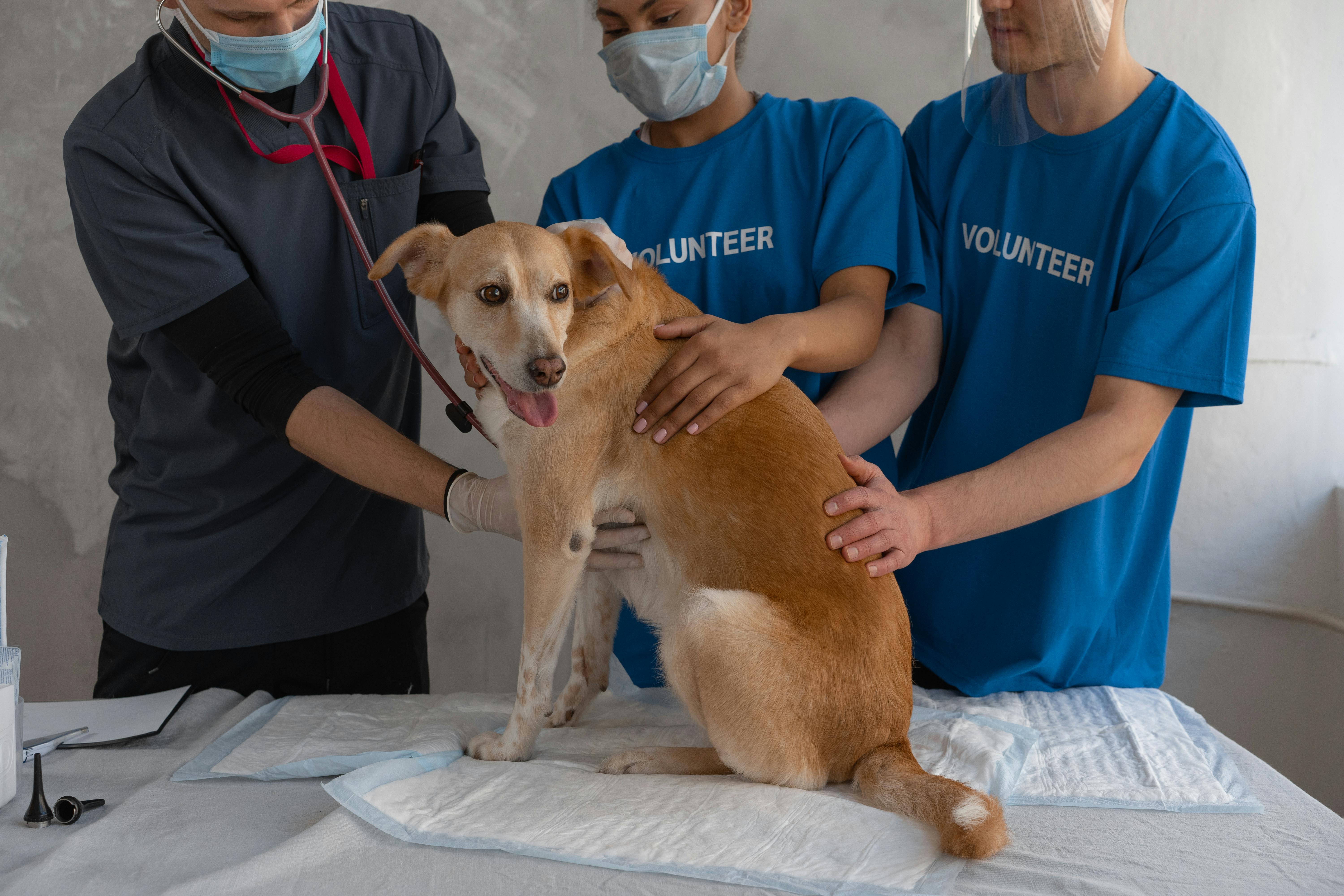
1. Wash hands after touching animals
Soap and water remain one of the strongest protections.
2. Vaccinate pets
Regular veterinary care matters.
3. Avoid touching sick or wild animals
Teach children not to approach unfamiliar wildlife.
4. Practice food safety
Cook meat thoroughly and handle eggs safely.
5. Protect against insects
Use insect precautions during outdoor activities.
6. Seek care after bites or unusual symptoms
Do not ignore animal scratches, bites, or unexplained fever.
Why This Matters More Than Ever
Health experts increasingly talk about something called:
“One Health”
This idea recognizes that:
Human health, animal health, and environmental health are deeply connected.
In simple terms:
If animals become sick, humans may eventually be affected too.
This is why disease monitoring in animals matters so much.
Final Thoughts
Animals enrich human lives.
Pets provide companionship. Farm animals support livelihoods. Wildlife strengthens ecosystems.
But awareness matters.
The goal is not fear of animals.
The goal is understanding the connection between animal health and family health.
Because sometimes the next health risk may begin where people least expect it:
in the animal world around us.
References
- World Health Organization – Zoonoses Explained
- World Health Organization – Rabies Fact Sheet
- Centers for Disease Control and Prevention – Healthy Pets, Healthy People
- Public Health Agency of Canada – Zoonotic Diseases Information
- CDC – Zoonotic Diseases Overview
https://www.babacares.com/blog-details?details=963&title=%C2%A0Zoonotic+Diseases+Explained%3A+Animal+Diseases+That+Could+Affect+Human+Health.






Comments