

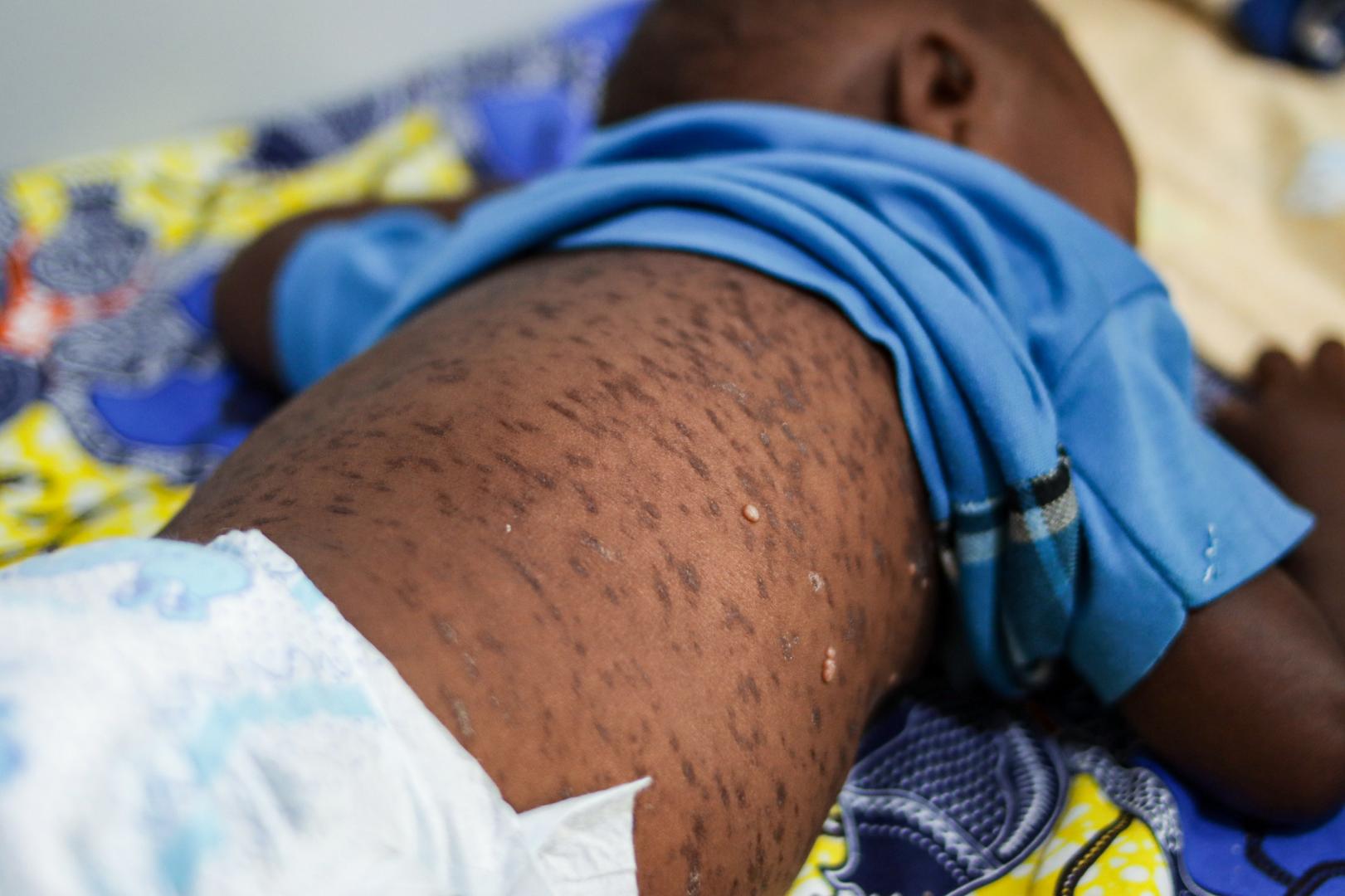
Measles Is Back: The Childhood Disease Many Parents Thought Had Disappeared.
For many parents, measles sounds like a disease from the past.
Something grandparents talked about.
Something modern medicine had already defeated.
But health experts are raising concern because measles is making an unexpected comeback in several parts of the world, including North America, Europe, Africa, and Asia.
The disease many parents thought had disappeared is quietly returning—and children are paying the highest price.
Health authorities say falling vaccination rates, misinformation, travel, and missed childhood immunizations are helping fuel new outbreaks.
The uncomfortable reality?
Measles is far more dangerous than many people remember.
What Is Measles?
Measles is a highly contagious viral infection that spreads through coughing, sneezing, and close contact.
The virus can remain in the air or on surfaces for hours after an infected person leaves an area.
This means a child can become infected without directly touching or speaking to a sick person.
According to the World Health Organization (WHO), measles is one of the most contagious diseases known to humans. (who.int)
Before vaccines became widely available, measles infected millions of children and caused major outbreaks worldwide.
Why Are Experts Concerned Again?
For years, vaccination programs dramatically reduced measles cases.
Many countries even declared measles eliminated or under control.
So what changed?
Health experts point to several factors:
1. Falling vaccination rates
Some children missed routine vaccines during and after the COVID-19 pandemic.
Disruptions in healthcare services caused many families to delay childhood immunizations.
WHO and UNICEF report millions of children globally missed essential vaccines, increasing the risk of outbreaks. (who.int)
2. Vaccine misinformation
False information online has increased fear and confusion among some parents.
Experts warn that misinformation about childhood vaccines continues to undermine public health.
Many health organizations stress that measles vaccines remain one of the safest and most effective protections against severe disease.
3. International travel
Travel makes it easier for infectious diseases to spread across borders.
A single infected traveller can unknowingly expose many people in airports, schools, or communities.
This is one reason outbreaks can spread quickly.
Why Measles Is More Dangerous Than Many Parents Realize
Some people mistakenly think measles is simply:
“A harmless childhood rash.”
Health experts strongly disagree.
Measles can lead to serious complications, especially in:
- Babies
- Young children
- Pregnant women
- People with weakened immune systems
Complications may include:
- Ear infections
- Severe diarrhea
- Pneumonia
- Brain swelling (encephalitis)
- Blindness
- Death in severe cases
According to WHO, measles remains a major cause of vaccine-preventable childhood deaths globally. (who.int)
What Are the Symptoms?
Measles symptoms often begin like flu.
Early signs include:
- Fever
- Cough
- Runny nose
- Red or watery eyes
- Fatigue
A few days later:
A red rash typically appears, starting on the face and spreading to the rest of the body.
Small white spots inside the mouth—called Koplik spots—may also appear.
One major challenge:
People can spread measles before realizing they are infected.
Why Children Are Most at Risk
Young children are particularly vulnerable because their immune systems are still developing.
Children who are unvaccinated face the highest risk.
Even healthy children can develop severe complications.
Health experts stress that measles is not just a personal choice issue—it can affect vulnerable people in schools, daycare centers, and communities.
Babies too young to be vaccinated often depend on community protection.
Can Measles Be Prevented?
Yes.
The best protection remains vaccination.
The MMR vaccine (Measles, Mumps, Rubella) is highly effective.
Health experts say two doses provide strong protection for most people.
Vaccination has helped prevent millions of deaths worldwide.
In Canada, routine childhood immunization schedules include protection against measles. (canada.ca)
What Parents Should Do
1. Check vaccination records
Make sure children are up to date on immunizations.
2. Don’t ignore symptoms
If your child develops fever and rash—especially after travel or exposure—seek medical advice.
3. Avoid exposing others
Measles spreads very easily.
Stay home and follow healthcare guidance if infection is suspected.
4. Get trusted information
Avoid relying solely on social media claims.
Speak with healthcare professionals or trusted public-health sources.
What This Means for African and Immigrant Families
Some immigrant families may assume:
“We had measles growing up, so children will be fine.”
But experts warn today’s outbreaks can still become dangerous.
Families moving between countries may also miss vaccine schedules due to relocation or healthcare differences.
Keeping records updated matters.
Final Thoughts
Many parents believed measles had become history.
Unfortunately, the disease is proving otherwise.
The return of measles is a reminder that public-health victories can be fragile.
The good news?
Measles remains largely preventable.
The lesson for families is simple:
Do not mistake a quiet disease for a disappeared disease.
Because sometimes the illnesses we fear least are the ones most ready to return.
References
https://www.babacares.com/blog-details?details=962&title=Measles+Is+Back%3A+The+Childhood+Disease+Many+Parents+Thought+Had+Disappeared.








Comments