


AI in Healthcare Explained: The Benefits and Dangers Every Family Should Know.
Artificial intelligence (AI) is changing healthcare faster than many people realize.
From hospitals and pharmacies to medical apps and virtual consultations, AI is quietly becoming part of everyday medicine.
Doctors are using it to detect diseases earlier. Hospitals are using it to manage patient care. Researchers are using it to develop medicines faster.
Some experts believe AI could revolutionize healthcare.
Others warn it could create serious risks if not used responsibly.
This raises an important question:
Is artificial intelligence making healthcare better—or creating new dangers?
The truth is:
AI offers incredible benefits, but it also comes with real risks that families should understand.
What Is AI in Healthcare?
Artificial intelligence refers to computer systems that can analyze information, identify patterns, and assist with decision-making.
In healthcare, AI helps process huge amounts of medical data quickly.
Instead of replacing doctors, most current healthcare AI systems are designed to assist healthcare professionals.
AI is already being used for:
- Disease detection
- Medical imaging analysis
- Drug discovery
- Patient monitoring
- Virtual health assistants
- Appointment scheduling
- Personalized treatment planning
According to the World Health Organization (WHO), AI has the potential to improve healthcare access, efficiency, and patient outcomes globally. World Health Organization – Artificial Intelligence for Health
The Benefits of AI in Healthcare
1. Earlier Disease Detection
One of AI’s biggest advantages is speed.
AI can analyze medical scans such as:
- X-rays
- CT scans
- MRIs
- Mammograms
In some cases, AI helps doctors identify diseases earlier than traditional review methods.
Researchers are increasingly using AI to detect early signs of:
- Cancer
- Stroke
- Heart disease
- Diabetes complications
Earlier diagnosis often means better treatment outcomes.
2. Faster Medical Decisions
Doctors handle enormous amounts of medical information.
AI can quickly analyze symptoms, lab results, and medical records to help healthcare professionals make faster decisions.
For example:
A patient with chest pain may have dozens of possible causes.
AI can help prioritize the most likely risks faster.
This may improve emergency care.
3. Better Access to Healthcare
Many countries—including Canada and parts of Africa—face healthcare worker shortages.
AI-powered systems may help underserved communities by:
- Offering symptom guidance
- Supporting remote healthcare
- Improving telemedicine
- Helping patients in rural areas access medical advice
For communities with few doctors, this could become life-changing.
4. Drug Development May Become Faster
Developing new medicine traditionally takes many years.
AI is now helping researchers analyze massive amounts of scientific data more quickly.
Scientists hope this may accelerate treatments for diseases such as:
- Cancer
- Alzheimer’s disease
- Rare illnesses
- Infectious diseases
Experts believe AI could dramatically reduce the time needed for medical discoveries. Nature – How AI Is Changing Medicine
5. Reduced Hospital Workload
Healthcare workers spend significant time on paperwork.
AI may help reduce administrative burden by assisting with:
- Documentation
- Scheduling
- Billing systems
- Patient tracking
This could allow healthcare workers to spend more time caring for patients.
The Dangers of AI in Healthcare
Despite the excitement, experts warn families should not assume AI is perfect.
1. AI Can Make Mistakes
AI systems are only as good as the information they are trained on.
Bad or incomplete data can lead to errors.
For example:
An AI system trained mostly on one population may perform poorly for different ethnic groups or medical situations.
This creates a risk of wrong diagnosis or missed conditions.
2. Human Judgment Still Matters
Healthcare is more than medical facts.
Doctors consider:
- Patient emotions
- Family situations
- Culture
- Personal preferences
- Mental wellbeing
A computer may process symptoms quickly.
But it may struggle with human complexity.
For example:
Two patients may have the same illness but need completely different treatment approaches.
3. Privacy and Data Concerns
Healthcare information is highly sensitive.
Families worry about:
- Medical data leaks
- Hacking risks
- Misuse of private health information
As AI systems collect more data, strong security becomes increasingly important.
WHO warns that ethical safeguards are essential as healthcare technology grows. WHO Ethics and Governance of AI for Health
4. Misinformation Can Become Dangerous
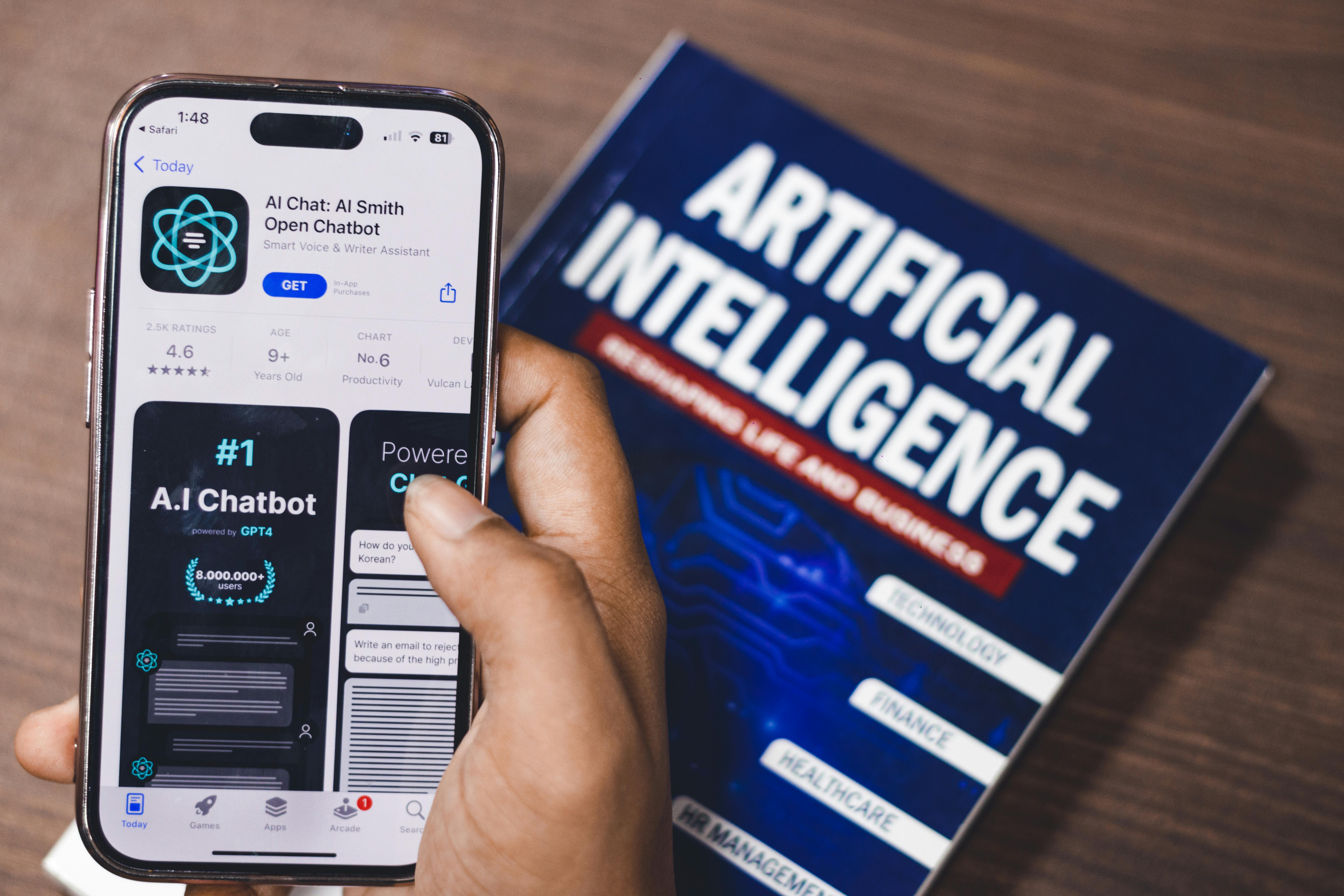
Some people now rely heavily on AI chatbots or internet tools for medical advice.
This creates risk.
AI tools may provide incomplete or incorrect answers.
Self-diagnosing serious symptoms without seeing a healthcare professional can delay treatment.
Experts warn:
AI should support healthcare—not replace proper medical care.
5. Overdependence on Technology
One concern is that healthcare workers could become overly dependent on automated systems.
If technology fails or makes mistakes, human expertise remains essential.
Medicine still requires critical thinking.
Can AI Replace Doctors?
The short answer:
No—not completely.
Experts generally believe the future will involve:
Doctors working alongside AI
rather than being replaced by it.
Think of AI as:
A highly intelligent assistant—not a human doctor.
Machines may process information quickly.
But empathy, trust, judgment, and emotional care remain deeply human.
What Families Should Know
Families should see AI as a tool—not a miracle.
Here are smart ways to approach AI healthcare:
Use AI for education—not final diagnosis
Learning about symptoms is helpful.
But serious health concerns still require medical attention.
Verify information
Always cross-check health advice with trusted medical professionals.
Protect privacy
Be cautious about sharing sensitive health information on unknown apps.
Stay informed
AI healthcare will continue evolving quickly.
Understanding both risks and benefits helps families make better decisions.
Final Thoughts
Artificial intelligence is already transforming healthcare.
It may improve disease detection, speed up treatment, expand access, and help doctors save lives.
But AI also raises important concerns about privacy, mistakes, ethics, and misinformation.
The future of medicine is unlikely to be:
Humans versus machines
Instead, it may become:
Humans working with machines.
Because while technology may become smarter—
good healthcare still depends on human care, wisdom, and trust.
References
- World Health Organization – Artificial Intelligence for Health
- World Health Organization – Ethics and Governance of AI for Health
- Nature – How Artificial Intelligence Is Changing Medicine
- Harvard Medical School – Artificial Intelligence in Medicine
- Government of Canada – Health Human Resources and Healthcare Innovation
https://www.babacares.com/blog-details?details=961&title=AI+in+Healthcare+Explained%3A+The+Benefits+and+Dangers+Every+Family+Should+Know.%C2%A0






Comments