

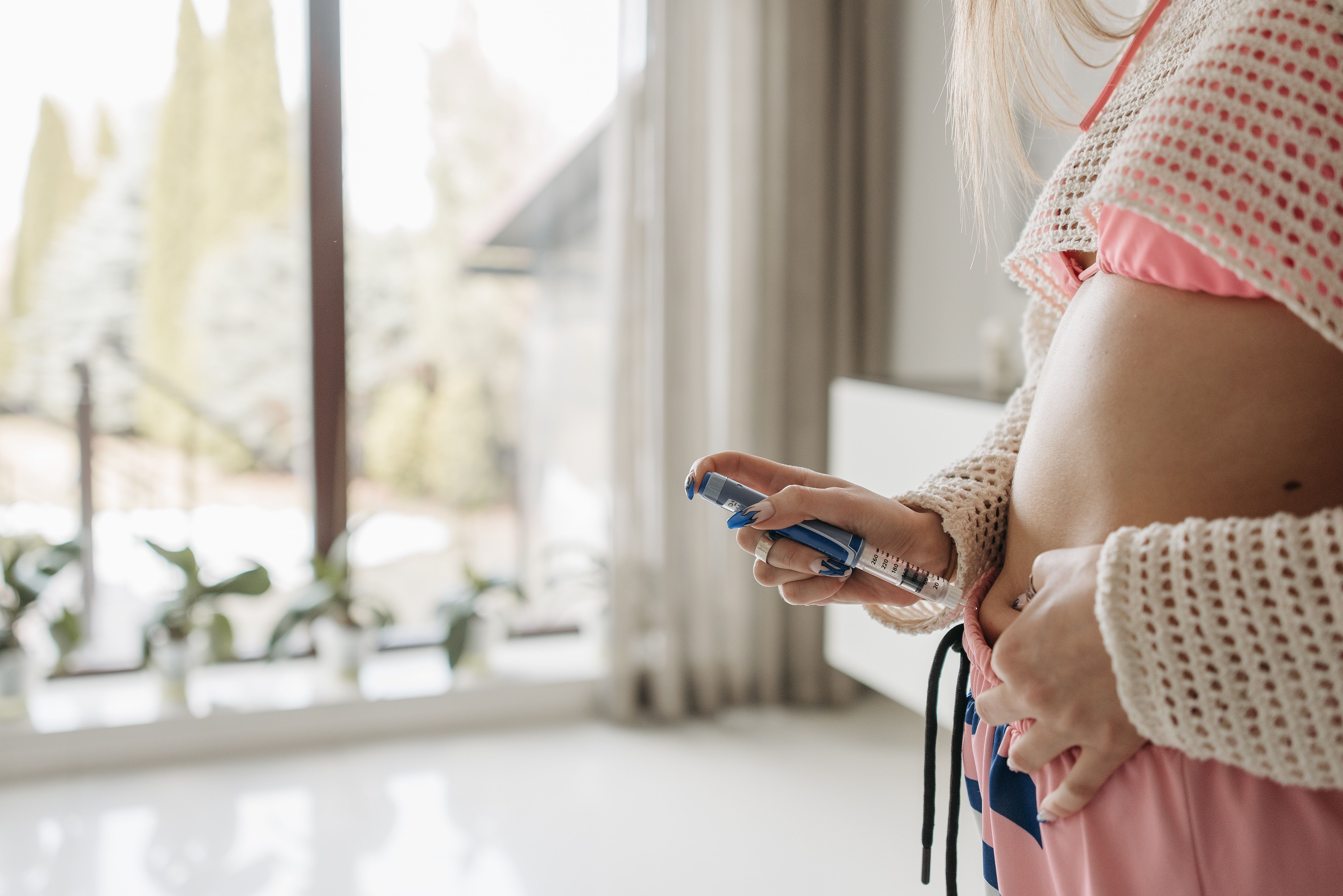
Ozempic-Style Medicines Explained: What Every Family Should Know About the Weight-Loss Drug Revolution.
Weight-loss injections are everywhere.
Celebrities talk about them. Social media influencers promote them. Doctors prescribe them. Families discuss them around dinner tables.
From dramatic before-and-after photos to growing conversations about obesity treatment, medications like Ozempic, Wegovy, Mounjaro, and Zepbound are rapidly changing healthcare.
But amid all the excitement and confusion, many families are asking an important question:
What exactly are Ozempic-style medicines—and should ordinary people be paying attention?
The answer is yes.
But families also need facts—not hype.
What Are Ozempic-Style Medicines?
Ozempic-style medicines belong to a group of drugs called GLP-1 receptor agonists and related therapies.
These medicines were originally designed to help people with Type 2 diabetes, but researchers discovered something surprising:
Many patients were losing significant amounts of weight.
Today, some versions are approved specifically for obesity and long-term weight management. Medicines in this category include:
- Ozempic
- Wegovy
- Mounjaro
- Zepbound
These medications work by mimicking hormones that help regulate hunger, blood sugar, digestion, and feelings of fullness. Many people naturally eat less because they feel satisfied sooner.
Why Are These Medicines Making Headlines?
The excitement comes from the results.
Clinical trials have shown that some patients using these medicines lost 10% to over 20% of body weight, numbers previously difficult to achieve without surgery. Some next-generation obesity drugs in trials are even reporting up to 28% weight loss, creating huge interest worldwide.
Experts say these medications may become one of the biggest healthcare shifts of this generation because obesity increases the risk of:
- Type 2 Diabetes
- Heart Disease
- High blood pressure
- Sleep apnea
- Stroke
- Joint problems
The World Health Organization notes that obesity rates have more than doubled globally in recent decades, making better treatment options increasingly important.
The Good News: Why Doctors Are Excited
For some families, these medicines are genuinely life-changing.
Doctors report that some patients experience:
- Reduced appetite
- Better blood sugar control
- Improved mobility
- Lower blood pressure
- Less emotional eating
- Better confidence and mental wellbeing
Some newer research even suggests these medicines may improve other conditions, including cardiovascular risk and overall health outcomes. Recent studies presented in Europe suggest GLP-1 drugs may reduce healthcare visits and sickness-related absences while improving quality of life.
But Families Should Know the Risks Too
Despite the excitement, Ozempic-style medicines are not miracle cures.
1. They are not for everyone
Doctors say these medications are generally meant for people with:
- Obesity
- Type 2 diabetes
- Weight-related medical conditions
They are not usually intended for casual cosmetic weight loss.
Medical evaluation matters.
2. Side effects are common
Some users experience:
- Nausea
- Vomiting
- Diarrhea
- Constipation
- Fatigue
- Stomach discomfort
In some cases, more serious medical complications can occur, which is why professional supervision matters.
3. Weight regain may happen
One reality many people do not discuss:
Some patients regain weight after stopping treatment.
Doctors increasingly describe obesity as a chronic health condition, meaning long-term management may be necessary for some individuals.
4. Poor nutrition can become a concern
Because these medicines reduce appetite, some people eat too little or fail to get enough nutrients.
Recent research suggests some users may become deficient in nutrients such as vitamin D, iron, zinc, and other important minerals if nutrition is poorly managed.
The Social Media Problem
One major concern is misinformation.
Many people now see viral videos showing:
“Lose 30 pounds fast!”
But doctors warn that social media often hides important realities.
Some people are:
- Using prescription drugs without medical need
- Buying fake products online
- Misusing medicines for appearance rather than health
Experts strongly advise:
Never buy injectable medicines from unofficial online sellers or social media vendors.
What Families Should Ask Before Considering These Medicines
Instead of asking:
“Will this make me slim?”
Families should ask:
“Is this medically right for me?”
Important questions include:
- Do I have obesity-related health risks?
- Have I tried lifestyle approaches?
- What are the side effects?
- Can I afford long-term treatment?
- What happens if I stop?
These conversations should happen with healthcare professionals—not TikTok influencers.
What’s Coming Next?
The weight-loss medicine market is evolving rapidly.
Scientists are developing:
- Higher-dose medications
- Daily pills instead of injections
- Stronger next-generation treatments
Just this month, European regulators recommended approval for the first oral Wegovy weight-loss pill in Europe, potentially making treatment easier for people who dislike injections.
Final Thoughts
Ozempic-style medicines are changing medicine—and perhaps the future of obesity care.
For some people, they offer real hope after years of failed diets, health struggles, and frustration.
For others, expectations may be unrealistic.
The truth lies somewhere between miracle and hype.
These medicines are powerful tools.
But they are not magic, not risk-free, and not suitable for everybody.
The healthiest approach is informed decision-making, realistic expectations, medical supervision, and remembering that lasting health still depends on everyday habits.
Because no injection can replace the basics of good health.
References
- World Health Organization – Obesity and Overweight Facts
- Reuters – New Weight-Loss Drugs and Clinical Trial Results
- Reuters – Wegovy Oral Weight-Loss Pill News
- WebMD – Ozempic, Wegovy, Mounjaro and Zepbound Differences
- Drugs.com – Which GLP‑1 Drug Works Best for Weight Loss?
- Washington Post – Doctors Raise Concerns About GLP‑1 Misuse
- ScienceDaily – Health Benefits of GLP‑1 Medicines










Comments