

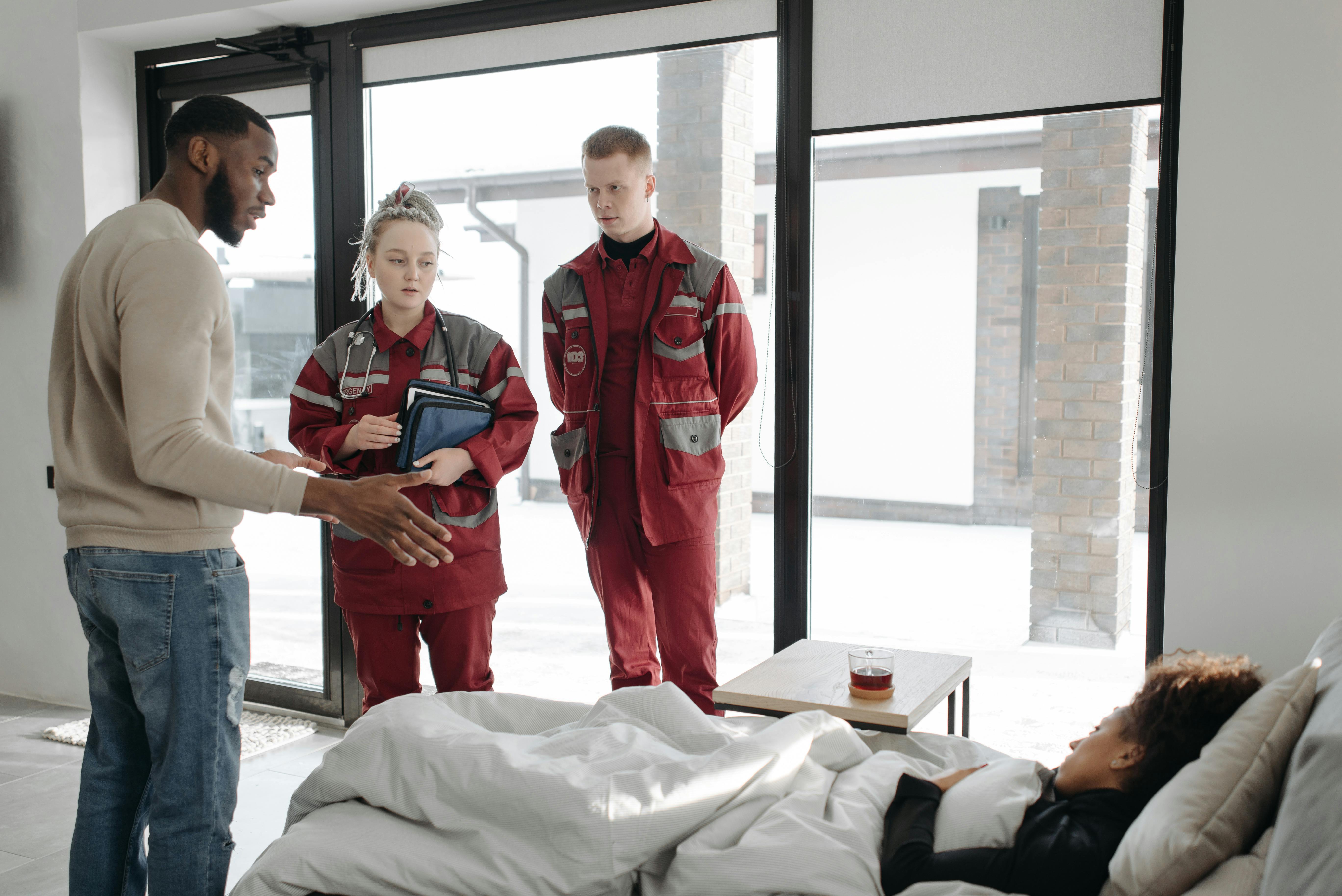
Why Global Health Is Quietly Moving Backward — The Hidden Health Crisis Nobody Is Talking About.
The world has made extraordinary progress in medicine.
People are living longer. Vaccines have saved millions of lives. Diseases that once terrified families have become manageable. Medical technology continues advancing at incredible speed.
So why are global health experts suddenly worried?
According to the World Health Organization (WHO), the world may be facing a hidden health crisis—one that is happening quietly, gradually, and often without headlines.
The uncomfortable truth is this:
Despite scientific progress, global health improvements are becoming increasingly fragile.
Many people assume healthcare automatically improves over time.
Unfortunately, that may no longer be guaranteed.
Experts now warn that growing inequalities, infectious disease outbreaks, climate-related illnesses, antibiotic resistance, chronic disease, healthcare worker shortages, and misinformation are creating a dangerous combination that could reverse decades of health gains.
And many families do not even realize it is happening.
What Is the “Hidden Health Crisis”?
Unlike sudden emergencies such as Ebola outbreaks or pandemics, this crisis is quieter.
It does not always arrive dramatically.
Instead, it grows slowly through:
- Weaker healthcare systems
- Rising chronic disease
- Reduced vaccine confidence
- Drug-resistant infections
- Delayed medical care
- Mental health struggles
- Health inequality
WHO recently warned that global health gains face a threat of reversal, meaning future generations could become less healthy despite medical advancements. (who.int)
This is why some experts call it a “silent health emergency.”
1. People Are Living Longer — But Not Always Healthier
Longer life expectancy sounds like good news—and often it is.
But health experts are increasingly asking:
Are people living longer—or simply living longer with disease?
Millions now live with:
- Diabetes
- High blood pressure
- Heart disease
- Obesity
- Arthritis
- Dementia
- Mental-health challenges
In many countries, people are surviving illnesses but struggling with long-term health conditions.
Living longer matters.
But healthy aging matters even more.
This is especially important for families caring for aging parents and seniors.
2. Antibiotic Resistance Is Growing Quietly
One of the most dangerous threats receiving too little attention is antimicrobial resistance (AMR).
This happens when bacteria stop responding to antibiotics.
In simple terms:
Medicines that once saved lives may stop working.
Simple infections, surgeries, or pneumonia may become harder to treat.
WHO considers antibiotic resistance one of the top global public-health threats of our time. (who.int)
Yet many families still misuse antibiotics by:
- Self-medicating
- Stopping medication early
- Sharing leftover antibiotics
The danger grows quietly.
3. Climate Change Is Becoming a Health Crisis
Many people think climate change only affects weather.
Health experts disagree.
Extreme heat, floods, wildfires, poor air quality, and food insecurity are increasingly affecting health globally.
Climate-related risks now include:
- Heat stroke
- Asthma flare-ups
- Waterborne infections
- Mosquito-borne illnesses like malaria and dengue
- Mental-health stress after disasters
WHO warns climate change may become one of the defining health threats of this century. (who.int)
4. Healthcare Inequality Is Growing
Where someone lives, works, or earns income often shapes health outcomes.
Many communities still face:
- Poor access to doctors
- Long waiting times
- Expensive medicines
- Weak healthcare infrastructure
- Delayed diagnosis
This affects millions globally—including immigrant families and low-income populations.
Health progress often benefits some groups faster than others.
And inequality itself becomes a health risk.
5. Mental Health Is the Crisis Many Families Ignore
One of the most overlooked global health challenges is mental health.
Stress, burnout, loneliness, anxiety, depression, and emotional exhaustion are rising worldwide.
Yet many families still avoid discussing mental wellbeing.
In many cultures, emotional suffering is often dismissed as:
“Be strong.”
“Pray harder.”
“Don’t think too much.”
While faith and resilience matter, mental health challenges also deserve proper support.
Experts warn untreated mental-health struggles can worsen physical illness, family relationships, and productivity.
6. Health Misinformation Is Becoming Dangerous
Today, health advice spreads faster than ever online.
Unfortunately:
Not all health advice is accurate.
Social media misinformation has increased confusion about:
- Vaccines
- Weight-loss drugs
- Fake cures
- Herbal remedies
- Disease prevention
Many people now trust viral posts more than healthcare professionals.
Health experts say misinformation delays treatment and increases health risks.
Why Families Should Care
This hidden health crisis matters because it affects ordinary households—not just hospitals.
It affects:
- Parents caring for children
- Workers delaying medical checks
- Seniors managing chronic illness
- Families struggling with healthcare costs
- Communities facing preventable disease
The biggest mistake families can make is assuming:
“Healthcare will always take care of us.”
Health protection increasingly begins at home.
What Families Must Do Now
1. Prioritize prevention
Healthy eating, movement, sleep, hydration, and regular medical checkups matter.
2. Stop ignoring symptoms
Early diagnosis often saves lives.
3. Use antibiotics responsibly
Avoid self-medication.
4. Take mental health seriously
Emotional wellbeing matters too.
5. Rely on trusted health information
Choose doctors, hospitals, public-health agencies, and credible sources.
6. Teach children healthy habits early
Health education begins at home.
Final Thoughts
The hidden health crisis is not one disease.
It is the quiet combination of multiple risks slowly weakening global health progress.
The world has achieved incredible medical success.
But progress is fragile.
The lesson for families is simple:
Do not mistake longer life for guaranteed health.
Protecting health today requires awareness, prevention, good habits, trusted information, and early action.
Because sometimes the biggest crisis is the one nobody notices—until it becomes impossible to ignore.
References
- World Health Organization – Global Health Gains Face Threat of Reversal
- World Health Organization – Antimicrobial Resistance Overview
- World Health Organization – Climate Change and Health
- World Health Organization – Mental Health Resources
- Public Health Agency of Canada.
https://www.babacares.com/blog-details?details=956&title=Why+Global+Health+Is+Quietly+Moving+Backward+%E2%80%94+The+Hidden+Health+Crisis+Nobody+Is+Talking+About.%C2%A0








Comments