

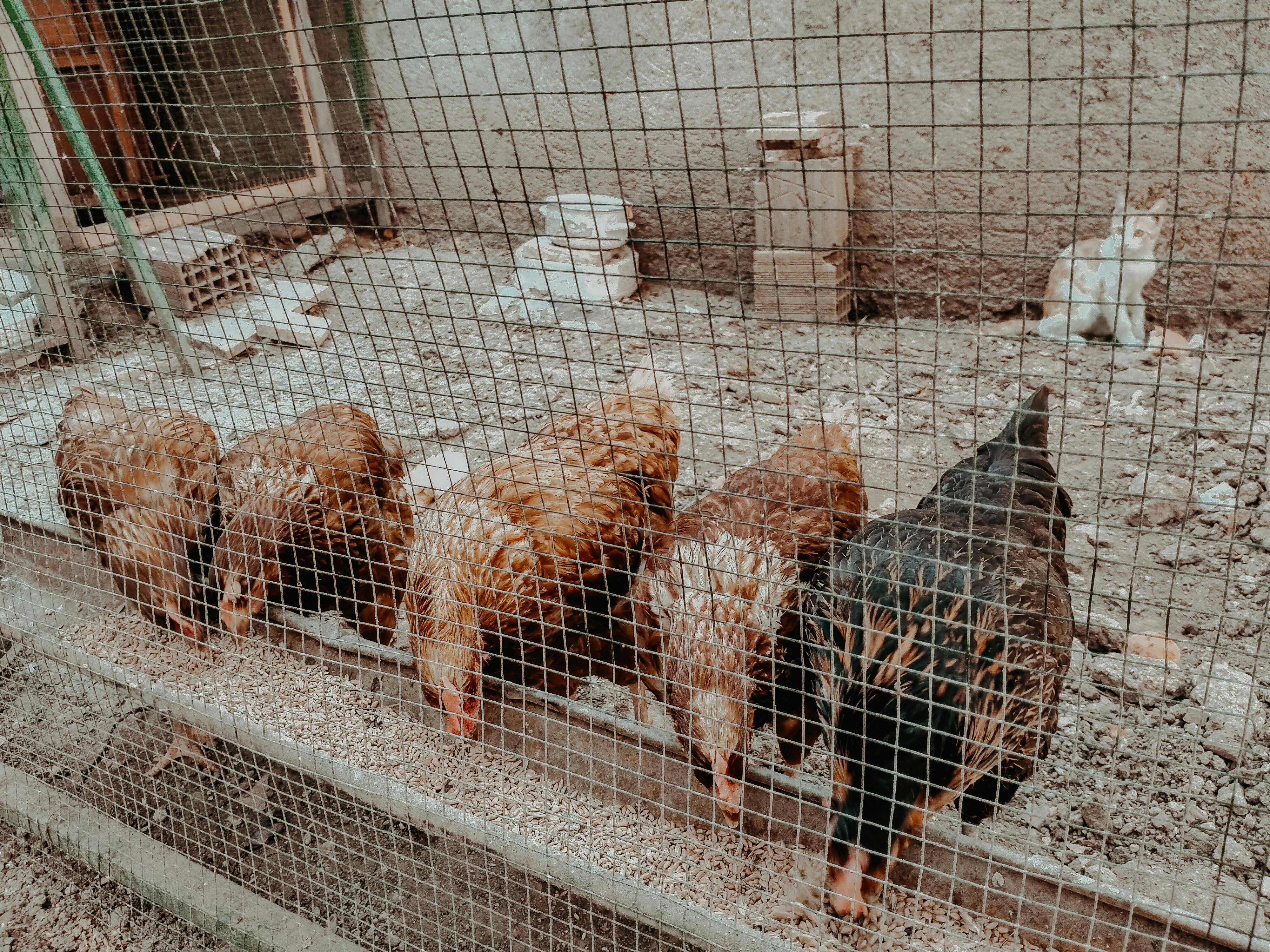
Salmonella Risk in Backyard Chickens and Pets: What Every Parent Must Know to Protect Children.
Backyard chickens, pet ducks, turtles, puppies, and even seemingly harmless household pets can bring joy to families. For many parents, raising backyard poultry teaches children responsibility, patience, and love for animals.
But health experts are raising an important warning:
Some pets and backyard animals may silently carry bacteria that can make children seriously ill.
One of the biggest concerns is Salmonella, a bacteria linked to food poisoning and animal-related infections. Recent public-health alerts have highlighted outbreaks connected to backyard poultry, pet reptiles, and close animal contact—especially among children.
The good news?
Families can still safely enjoy pets and backyard animals if proper precautions are taken.
What Is Salmonella?
Salmonella is a type of bacteria that can infect humans and cause salmonellosis, a common illness that affects the intestines.
Many people associate Salmonella only with contaminated food such as raw eggs or undercooked chicken.
However, animals can also carry Salmonella without looking sick.
Healthy-looking animals—including chickens, ducks, turtles, lizards, puppies, cats, and even rodents—can spread the bacteria through:
- Feathers
- Fur
- Skin
- Saliva
- Droppings
- Animal habitats or cages
According to the U.S. Centers for Disease Control and Prevention (CDC), backyard poultry remains a recurring source of Salmonella outbreaks, particularly involving young children. (cdc.gov)
Why Children Are More at Risk
Young children are especially vulnerable because:
1. Their immune systems are still developing
Children under age five have less protection against infections.
Even a small amount of bacteria can sometimes cause serious illness.
2. Children touch everything
Young children naturally explore by touching animals, cages, toys, soil, and then touching their mouths or food.
A child may cuddle a chick and immediately eat a snack without washing hands.
That small moment can increase infection risk.
3. Kids often cuddle or kiss animals
Many children love holding chicks, ducklings, puppies, or turtles close to their faces.
Unfortunately, germs do not respect affection.
Health experts advise against kissing backyard poultry or allowing them near children’s faces.
Which Animals Can Carry Salmonella?
Many parents are surprised to learn that several common pets may carry Salmonella.
These include:
- Backyard chickens
- Ducks and ducklings
- Turkeys
- Geese
- Turtles
- Lizards and snakes
- Frogs
- Rodents (hamsters, guinea pigs, mice)
- Some dogs and cats
Importantly:
Animals do not need to look sick to spread bacteria.
Healthy-looking pets may still carry germs.
What Are the Symptoms of Salmonella?
Symptoms usually begin 6 hours to 6 days after exposure.
Common signs include:
- Diarrhea
- Fever
- Stomach cramps
- Vomiting
- Nausea
- Weakness
In most healthy adults, symptoms improve within a few days.
But children, seniors, and people with weak immune systems may develop severe dehydration or complications.
Seek medical care immediately if a child develops:
- Bloody diarrhea
- High fever
- Extreme weakness
- Signs of dehydration
- Persistent vomiting
Why Backyard Poultry Is Getting More Attention
Backyard chicken ownership has increased in many countries because families want:
- Fresh eggs
- Organic food
- Sustainable living
- Homestead lifestyles
But public-health officials say more poultry ownership also means increased infection risk if hygiene is poor.
Recent outbreaks linked to backyard poultry affected multiple families, with many cases involving children who handled chicks or ducklings indoors. Health authorities continue reminding families that poultry should not be treated like indoor pets.
Even newly hatched chicks can carry Salmonella.
What Families Must Do to Protect Children
The good news?
Simple habits greatly reduce risk.
1. Wash hands immediately after touching animals
This is the number one prevention step.
Children and adults should wash hands with soap and water after:
- Holding poultry
- Feeding pets
- Cleaning cages
- Touching eggs
- Playing in animal areas
Hand sanitizer can help temporarily, but soap and water work best.
2. Keep backyard poultry outside
Chickens, ducks, and similar birds should never live inside kitchens, bedrooms, or dining areas.
Avoid allowing poultry inside homes.
3. Supervise young children
Children under five should have close supervision around animals.
Do not allow children to:
- Kiss animals
- Put fingers in mouths after touching pets
- Eat while handling animals
4. Clean cages and supplies safely
Never wash feeders, cages, or poultry equipment in the kitchen sink.
Use separate cleaning areas whenever possible.
5. Be careful with eggs
Wash hands after collecting eggs.
Cook eggs thoroughly before eating.
6. Teach children healthy animal habits
Pets can still be wonderful for emotional growth.
Children simply need safe routines.
Teach:
“Wash hands before eating.”
“Don’t kiss animals.”
“Animals are friends—but germs are real.”
Should Parents Stop Keeping Pets?
Absolutely not.
Experts are not saying families should fear animals.
Pets can improve mental health, teach empathy, reduce stress, and strengthen family bonding.
The goal is not fear.
The goal is safe pet ownership.
With proper hygiene, most families can safely enjoy backyard chickens and household pets.
Final Thoughts
Backyard poultry and pets bring happiness—but they also come with responsibility.
Salmonella infections are preventable when families understand the risks and build healthy habits.
The message for parents is simple:
Love the animals—but respect the germs.
Because sometimes the smallest health risks are the easiest to prevent.
References
- Centers for Disease Control and Prevention – Salmonella and Backyard Poultry
- Centers for Disease Control and Prevention – Salmonella Overview
- Public Health Agency of Canada – Salmonella Information
- U.S. Food & Drug Administration – Pet Safety and Salmonella
- American Academy of Pediatrics – Pets and Child Health Safety
https://www.babacares.com/blog-details?details=955&title=Salmonella+Risk+in+Backyard+Chickens+and+Pets%3A+What+Every+Parent+Must+Know+to+Protect+Children.





Comments