

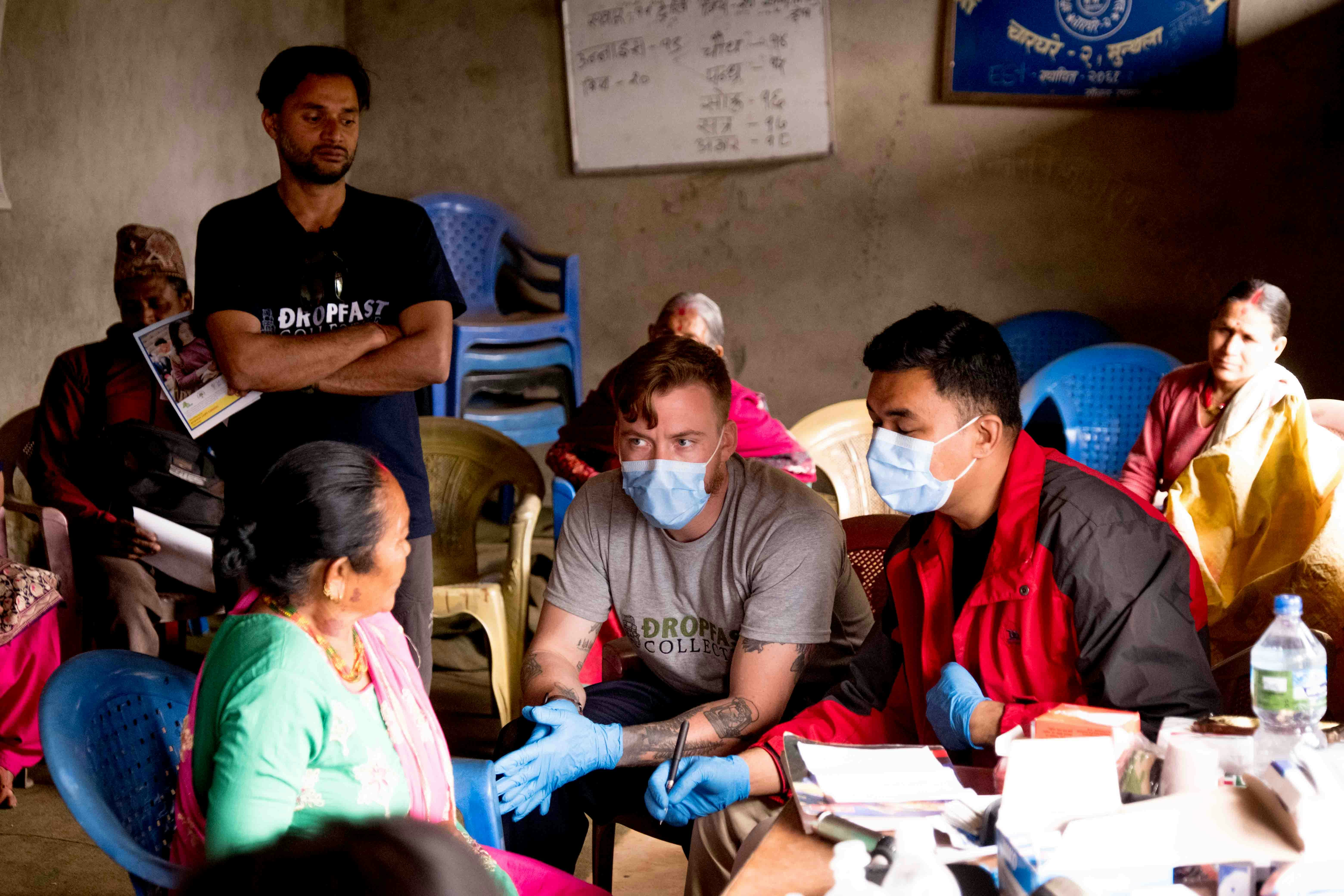
WHO Warns Global Health Progress Could Reverse — What Families Should Know.
For decades, the world celebrated one major health victory after another. People began living longer. Child deaths declined. Vaccines prevented deadly diseases. Medical science transformed illnesses that once killed millions into manageable conditions.
But global health experts are now sounding an unusual warning:
The progress humanity fought hard to achieve may not be guaranteed anymore.
According to the World Health Organization (WHO), the world is facing a growing risk that decades of health improvements could slow down—or even reverse—if urgent action is not taken. The reasons are complex: disease outbreaks, climate change, conflicts, weak healthcare systems, funding shortages, misinformation, and widening inequality are all threatening global health gains.
The big question now is:
Could future generations become less healthy despite medical progress?
The Good News: People Are Living Longer
Globally, life expectancy has improved significantly over the last few decades.
Better vaccination programs, improved sanitation, stronger maternal care, and medical breakthroughs have helped millions survive diseases that once devastated families.
Many children who would have died from infections in the past now grow into adulthood. More people are surviving cancer, heart disease, and complications from surgery than ever before.
In many countries, healthcare access, better nutrition, and health awareness have contributed to longer lives.
But longer life does not automatically mean better health.
According to WHO’s latest global health assessment, some of these gains are now becoming fragile. (who.int)
Why Is WHO Worried?
Health experts say several global challenges are putting health progress at risk.
1. Infectious diseases are still a threat
COVID-19 reminded the world that disease outbreaks can quickly disrupt lives, overwhelm hospitals, and expose weaknesses in healthcare systems.
Now, new outbreaks—including Ebola, measles, dengue fever, and drug-resistant infections—continue to worry public-health experts.
In some regions, childhood vaccination rates have dropped, increasing the risk of diseases many believed were already under control.
WHO warns that outbreaks combined with weak healthcare systems could reverse progress made over decades. (who.int)
2. Antibiotics may stop working
One growing danger is antimicrobial resistance (AMR)—when bacteria become resistant to medicines.
Health experts fear that infections once easily treated with antibiotics could become deadly again.
Simple illnesses like pneumonia, wound infections, or urinary tract infections may become harder and more expensive to treat.
According to WHO, antimicrobial resistance is one of the top global health threats of our time. (who.int)
3. Climate change is becoming a health problem
Climate change is no longer only about weather—it is increasingly becoming a health issue.
Extreme heat, floods, poor air quality, food insecurity, and the spread of mosquito-borne diseases are affecting millions globally.
Rising temperatures are linked to:
- Heat stroke
- Respiratory illnesses
- Waterborne diseases
- Food shortages
- Mental-health stress
Vulnerable populations—including seniors, children, and low-income communities—are often hit hardest.
4. Health inequality remains a major problem
Not everyone benefits equally from healthcare progress.
While some communities enjoy advanced hospitals and preventive care, others struggle with poverty, weak healthcare systems, lack of insurance, or poor access to doctors.
WHO warns that inequality in healthcare access continues to widen health gaps between rich and poor populations. (who.int)
For many African and low-income communities, preventable illnesses still cause unnecessary suffering due to delayed care or lack of access.
5. Misinformation is hurting public health
Social media has made health information easier to access—but also easier to misunderstand.
False claims about vaccines, fake cures, and dangerous health advice can influence families to delay treatment or avoid preventive care.
Experts say misinformation became a major challenge during COVID-19 and remains a threat to public health today.
What Families Should Know
The good news is this:
Families still have power to protect their health.
1. Prevention matters more than ever
Healthy eating, regular exercise, vaccination, adequate sleep, and preventive medical checks remain some of the strongest protections against illness.
2. Trust reliable health information
Avoid relying only on social media rumours.
Seek information from doctors, hospitals, government health agencies, and credible organizations like WHO.
3. Don’t ignore preventive care
Many illnesses become serious because symptoms are ignored for too long.
Regular medical checkups can catch diseases early.
4. Protect children’s health
Vaccinations, healthy habits, and proper hygiene still save millions of lives.
5. Take mental health seriously
Health is not only physical.
Stress, loneliness, anxiety, and burnout are rising globally and deserve attention.
Why This Matters for Africans and Immigrant Families
For many Africans and immigrants in Canada, Europe, and the United States, health can sometimes be neglected while focusing on work, survival, or supporting relatives back home.
Many people wait until illness becomes severe before seeking help.
But WHO’s warning reminds us that health progress is not automatic.
Living longer only matters if we also live healthier.
The goal should not just be to add years to life—but life to those years.
Final Thoughts
The world has achieved extraordinary medical progress. Yet experts say this progress could be lost if governments, communities, and families become complacent.
The message from WHO is clear:
Longer life expectancy is a victory—but protecting health requires constant effort.
The future of global health will depend not only on hospitals and medicine, but also on everyday decisions families make about prevention, lifestyle, and trusted healthcare.
Because a healthier future is never guaranteed—it is protected.
References
https://www.babacares.com/blog-details?details=952&title=WHO+Warns+Global+Health+Progress+Could+Reverse+%E2%80%94+What+Families+Should+Know.










Comments