

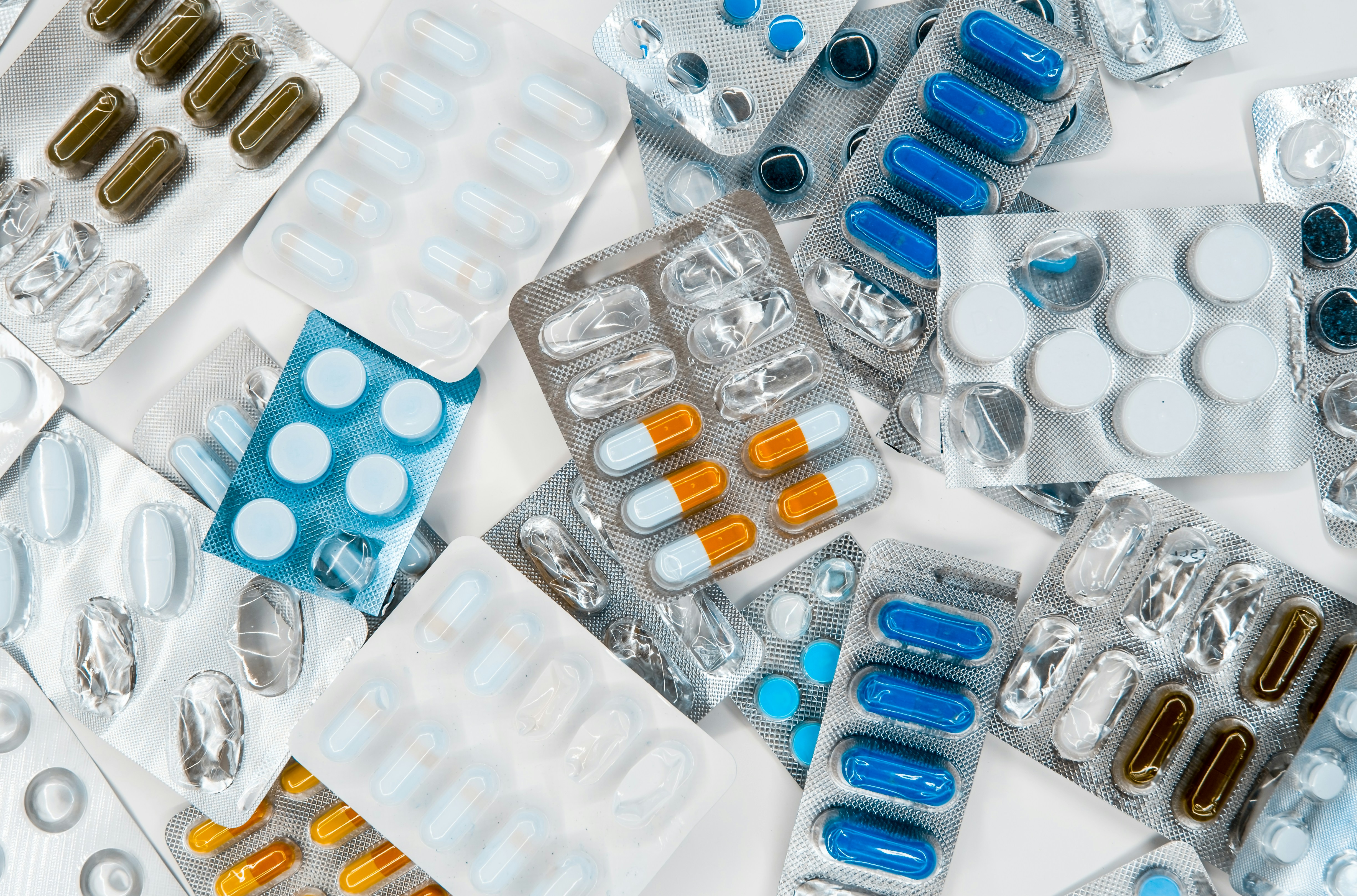
Why Antibiotics May Stop Working — And What Families Must Do
For decades, antibiotics have been one of medicine’s greatest miracles. They turned once-deadly infections into treatable illnesses and helped millions survive pneumonia, wounds, childbirth complications, and surgeries. But health experts are now sounding a serious warning: many antibiotics may stop working if we continue to misuse them.
This growing problem is called antimicrobial resistance (AMR) — and according to global health experts, it could become one of the world’s deadliest silent crises if families do not change how antibiotics are used.
The frightening truth? Some infections that were once easy to treat are already becoming harder—and sometimes impossible—to cure.
What Does It Mean When Antibiotics Stop Working?
Antibiotics are medicines used to kill or stop the growth of bacteria, not viruses.
When antibiotics are overused or misused, bacteria begin to adapt and become stronger. Over time, the medicine that once killed them no longer works. Scientists call these “drug-resistant bacteria” or “superbugs.”
Imagine using the same pesticide repeatedly until insects become immune to it. That is similar to what happens with bacteria and antibiotics.
According to the World Health Organization (WHO), antimicrobial resistance is among the top global public health threats facing humanity today because it makes infections harder to treat and increases the risk of severe illness and death. (who.int)
Why Is This Happening?
Many families unknowingly contribute to antibiotic resistance through everyday habits.
1. Taking antibiotics without a doctor’s prescription
In many countries, especially in parts of Africa and Asia, antibiotics are bought over the counter and used without proper diagnosis.
People often self-medicate for fever, cough, or sore throat—even when the illness may be caused by a virus.
The problem? Antibiotics do not treat viral infections such as:
- Common cold
- Flu (influenza)
- Most sore throats
- Many coughs
- COVID-19
Using antibiotics unnecessarily only teaches bacteria how to survive the medicine.
2. Stopping medication too early
Some people stop taking antibiotics as soon as they feel better.
This is dangerous because some bacteria may still be alive. These surviving bacteria can become stronger and resistant.
Doctors usually recommend finishing the prescribed dose unless advised otherwise.
3. Sharing antibiotics with family or friends
Many homes have leftover medications in cabinets.
Someone develops stomach pain or cough, and another person says:
“Take this medicine—it worked for me.”
Unfortunately, what works for one infection may not work for another. Wrong antibiotic use can worsen illness and fuel resistance.
4. Using antibiotics in animals and food production
Globally, antibiotics are sometimes overused in livestock to promote faster growth or prevent disease in crowded farming systems.
Experts warn that resistant bacteria can spread from animals to humans through food and the environment. (who.int)
Why Families Should Be Concerned
Many people think antibiotic resistance is a problem only for hospitals or scientists.
It is not.
If antibiotics stop working:
Simple infections may become deadly
A simple wound infection, urinary tract infection (UTI), or pneumonia could become harder to treat.
Routine surgeries may become risky
Modern medicine relies heavily on antibiotics. Operations, childbirth, cancer treatment, and organ transplants become much riskier without effective infection control.
Medical costs may increase
Drug-resistant infections often require longer hospital stays, stronger medications, and more expensive treatment.
According to the WHO, antimicrobial resistance directly contributed to millions of deaths globally and could worsen if urgent action is not taken. (who.int)
Signs You May Not Need Antibiotics
Ask yourself:
- Do I have a viral illness?
- Has a doctor confirmed this is bacterial?
- Am I taking antibiotics “just in case”?
Many illnesses improve with rest, fluids, healthy nutrition, and symptom treatment—not antibiotics.
For example, most viral colds improve naturally within a few days.
What Families Must Do Now
1. Never take antibiotics without proper medical advice
Avoid self-medication. If symptoms persist, see a qualified healthcare provider.
2. Complete prescribed treatment
Take medications exactly as instructed.
Do not stop early simply because you feel better.
3. Never share antibiotics
Your medicine is not someone else’s medicine.
Different infections require different treatment.
4. Avoid pressuring doctors
Some patients insist:
“Doctor, just give me antibiotics.”
Good healthcare providers prescribe antibiotics only when necessary.
5. Prioritize prevention
The best way to reduce antibiotic use is to avoid infections in the first place.
Families should:
- Wash hands regularly
- Stay vaccinated
- Practice food safety
- Seek early medical attention for infections
- Maintain healthy lifestyles to strengthen immunity
6. Store medicines safely—and dispose of leftovers properly
Do not keep old antibiotics “for future use.”
Expired or incomplete medications can be dangerous.
Why This Matters More for African Families
In many African communities, antibiotics are widely accessible without strict control. Self-treatment is common due to cost, long hospital waiting times, or trust in previous experiences.
However, experts warn that antibiotic resistance could hit low- and middle-income countries harder because healthcare systems already face pressure from infectious diseases.
The message is simple: today’s misuse could mean tomorrow’s medicine no longer works.
Final Thoughts
Antibiotics are one of humanity’s greatest medical achievements—but they are not unlimited weapons.
Every time antibiotics are misused, bacteria learn how to fight back.
The good news? Families can help stop this crisis by using antibiotics wisely, avoiding self-medication, and teaching children responsible health habits.
Because one day, the medicine that saved lives for generations may no longer work—unless we protect it now.
References
- World Health Organization – Antimicrobial Resistance Fact Sheet
- World Health Organization – Antimicrobial Resistance Overview
- World Health Organization Global Research Report on AMR
- Public Health Agency of Canada – Antimicrobial Resistance in Canada
- Centers for Disease Control and Prevention (CDC) – Antibiotic Use and Resistance
https://www.babacares.com/blog-details?details=946&title=Why+Antibiotics+May+Stop+Working+%E2%80%94+And+What+Families+Must+Do









Comments