

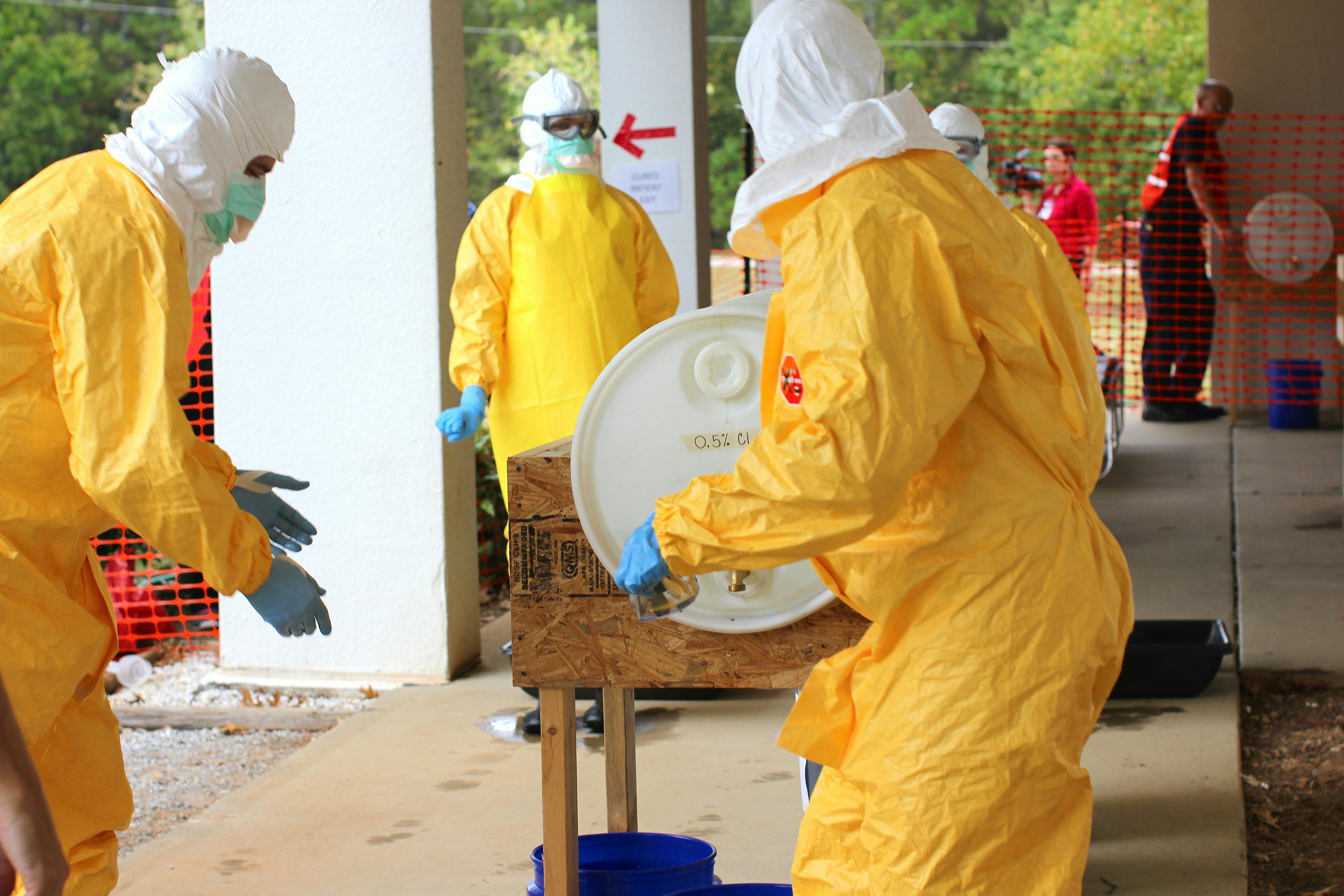
Ebola Alert: What Africans and Travellers Need to Know Now
The return of Ebola to parts of Africa is once again putting health authorities, travellers, and families on alert. While Ebola outbreaks are not new, the current situation is drawing global concern because of the speed of spread, cross-border movement, and the fact that the strain involved currently has no approved vaccine or specific treatment. For Africans at home, those in the diaspora, and international travellers, staying informed—not frightened—is the smartest protection.
What Is Happening Right Now?
Health authorities in the Democratic Republic of Congo (DRC) and Uganda are currently battling an outbreak of Bundibugyo Ebola virus disease, a less common strain of Ebola. The World Health Organization (WHO) has officially declared the outbreak a Public Health Emergency of International Concern (PHEIC) due to fears of regional and international spread.
As of late May 2026, WHO reported hundreds of suspected infections and rising confirmed cases, particularly in eastern DRC, while Uganda has also recorded cases linked to cross-border movement. Health officials are intensifying surveillance, contact tracing, and emergency response measures to contain transmission.
The outbreak is especially concerning because the Bundibugyo strain currently has no approved vaccine, unlike some earlier Ebola outbreaks where vaccines were available.
What Is Ebola?
Ebola virus disease is a severe and often deadly viral illness that spreads through direct contact with infected body fluids such as blood, sweat, vomit, saliva, urine, or contaminated materials like bedding and clothing.
Contrary to fear and misinformation, Ebola does not spread through the air like COVID-19. People generally become infected through close contact with a sick person or contaminated bodily fluids.
Symptoms to Watch For
Ebola symptoms may begin suddenly and can resemble malaria, typhoid, or severe flu in the early stages, making it difficult to recognize immediately.
Common symptoms include:
- Sudden fever
- Severe weakness or fatigue
- Headache
- Muscle and joint pain
- Vomiting and diarrhea
- Stomach pain
- Unexplained bleeding in severe cases
Symptoms usually appear between 2 to 21 days after exposure. Early medical attention greatly improves survival chances.
What Travellers Should Know
If you are travelling to or from affected regions, this is not the time for panic—but for caution.
1. Check travel advisories
Before travelling, monitor official public health updates, especially if visiting Central or East African countries near affected areas. Authorities are increasing airport screening and border surveillance.
2. Avoid direct contact with sick individuals
Do not care for visibly ill persons without proper protective measures. Avoid exposure to blood or bodily fluids.
3. Practice strict hand hygiene
Frequent hand washing with soap and water or alcohol-based sanitizer remains one of the simplest preventive tools.
4. Be cautious around funerals and traditional burial practices
During Ebola outbreaks, funerals can become major transmission events because of close contact with bodies. Some affected areas in Congo have temporarily restricted funeral gatherings to reduce spread.
5. Seek medical help immediately after exposure or symptoms
If you recently travelled to affected regions and develop fever or flu-like symptoms, contact healthcare authorities quickly and mention your travel history.
Should Africans in Canada, Europe, or the U.S. Be Worried?
At this stage, the risk to the general public outside affected regions remains low, according to health authorities. However, people visiting family in affected countries should remain cautious and informed.
Diaspora communities should avoid spreading fear or misinformation online. Instead, share verified updates from public health authorities and encourage relatives back home to report symptoms early rather than relying solely on home remedies.
Why This Outbreak Is Different
Health experts say this outbreak presents unique challenges:
- It involves a rare Ebola strain with no approved vaccine.
- Some infections were detected late, meaning transmission may have already spread unnoticed for weeks.
- The outbreak is occurring in regions facing insecurity, population movement, and strained health systems.
WHO officials have warned against underestimating the outbreak, emphasizing that even one undetected case crossing borders can trigger wider transmission.
Final Thoughts
Ebola is serious—but knowledge saves lives. Fear, rumours, and delayed treatment often worsen outbreaks. Africans and travellers must remain alert, follow trusted public-health guidance, and act quickly if symptoms appear.
The lesson is simple: awareness is not panic—it is protection.
References
https://www.babacares.com/blog-details?details=945&title=Ebola+Alert%3A+What+Africans+and+Travellers+Need+to+Know+Now







Comments