

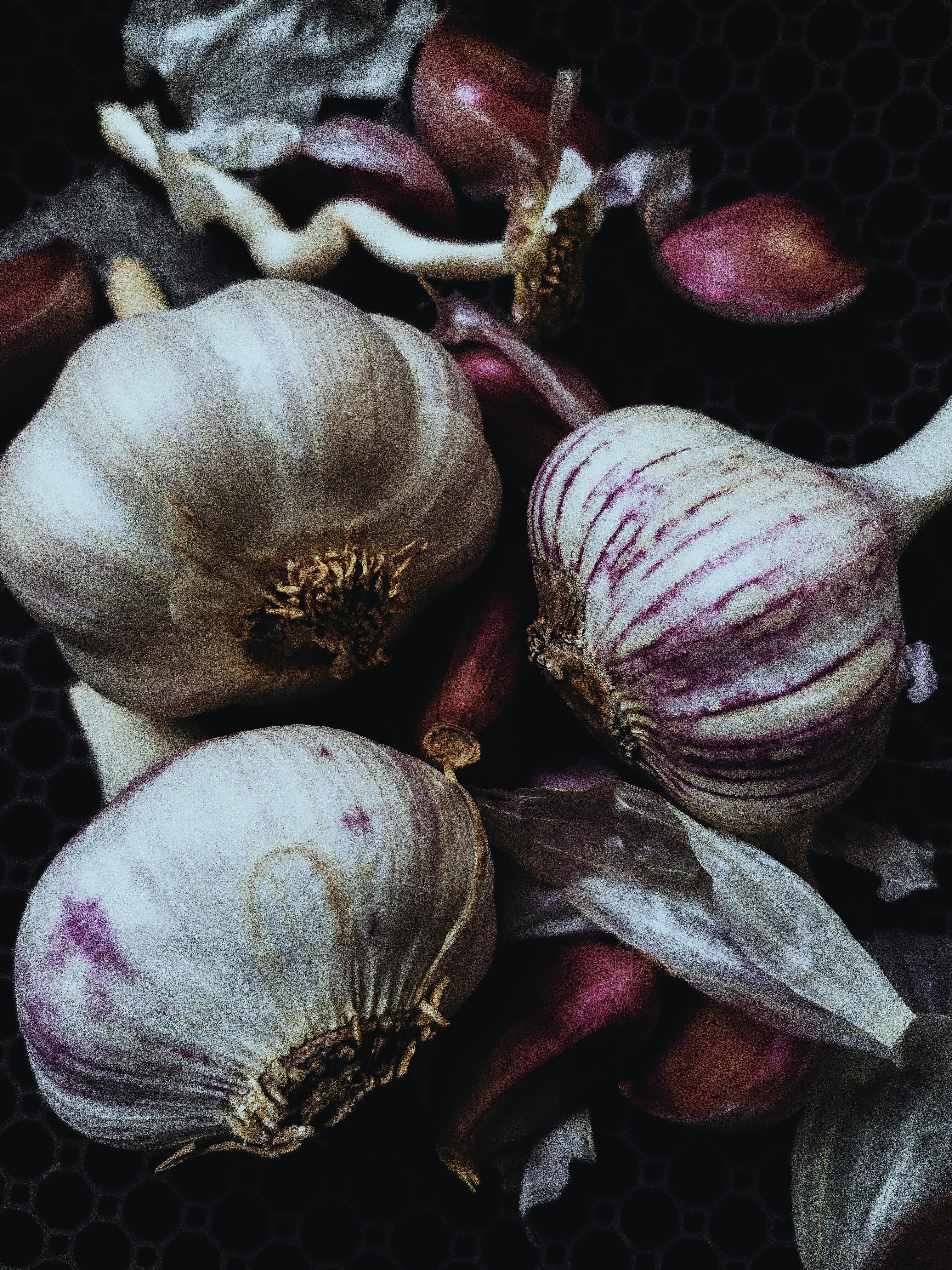
Who Should Avoid Garlic: Risks, Side Effects, and Precautions.
Introduction
Garlic is widely celebrated for its health benefits, including antimicrobial, cardiovascular, and anti-inflammatory properties. However, it is not safe for everyone. Certain individuals may experience adverse effects or interactions with medications. Understanding who should avoid garlic is essential to prevent health complications.
People Who Should Avoid Garlic
1. Individuals on Blood-Thinning Medications
- Garlic can increase the risk of bleeding by thinning the blood.
- People taking warfarin, aspirin, or other anticoagulants should avoid large amounts of garlic.
- Reference: Rahman, K., 2007. Garlic and cardiovascular disease: Evidence and mechanisms. The Journal of Nutrition, 137(3 Suppl 2), 817S–823S.
2. People with Bleeding Disorders
- Individuals with hemophilia or other bleeding disorders should avoid garlic supplements, as they may exacerbate bleeding tendencies.
3. Individuals with Gastrointestinal Disorders
- People with acid reflux, irritable bowel syndrome (IBS), or ulcers may experience heartburn, bloating, or stomach upset after consuming raw or high amounts of garlic.
- Reference: Ali, M., et al., 2000. Gastrointestinal effects of garlic: A review. Phytotherapy Research, 14(7), 495–499.
4. People with Allergies to Garlic or Other Alliums
- Garlic allergy is rare but can cause skin rash, itching, difficulty breathing, or swelling.
- Individuals allergic to onions, leeks, or chives may also react to garlic.
5. People Scheduled for Surgery
- Garlic may increase bleeding risk during and after surgery.
- It is generally recommended to stop garlic supplements at least 1–2 weeks before surgery.
6. Pregnant or Breastfeeding Women (High Doses)
- Moderate culinary use of garlic is usually safe.
- High doses or supplements should be avoided unless advised by a healthcare professional, as it may cause gastrointestinal discomfort or interfere with medications.
- Reference: Block, E., 2010. Garlic and other Alliums: The Lore and the Science. Royal Society of Chemistry.
Potential Side Effects of Garlic
- Bad breath and body odor
- Heartburn or acid reflux
- Upset stomach, gas, or diarrhea
- Increased risk of bleeding in sensitive individuals
Tips for Safe Garlic Consumption
- Use culinary amounts rather than high-dose supplements unless recommended by a doctor.
- If taking blood thinners or preparing for surgery, consult your healthcare provider.
- Start with small amounts to assess tolerance, especially if prone to digestive issues.
- Consider cooked garlic, which is gentler on the stomach than raw garlic.
Scientific References
- Rahman, K. (2007). Garlic and cardiovascular disease: Evidence and mechanisms. The Journal of Nutrition, 137(3 Suppl 2), 817S–823S.
- Ali, M., et al. (2000). Gastrointestinal effects of garlic: A review. Phytotherapy Research, 14(7), 495–499.
- Block, E. (2010). Garlic and other Alliums: The Lore and the Science. Royal Society of Chemistry.
- Bordia, A., et al. (1996). Effect of garlic on blood pressure. Journal of Cardiovascular Pharmacology, 27(6), 861–864.
- National Center for Complementary and Integrative Health (NCCIH). Garlic: What You Need to Know.
Conclusion
While garlic offers numerous health benefits, it is not suitable for everyone. People with bleeding disorders, gastrointestinal sensitivities, allergies, or those on blood-thinning medications should exercise caution. Always consult a healthcare professional before taking garlic supplements, especially in high doses, to avoid adverse effects and health risks.
https://www.babacares.com/blog-details?details=935&title=Who+Should+Avoid+Garlic%3A+Risks%2C+Side+Effects%2C+and+Precautions.










Comments