

Foods to Avoid After 8 PM: Protect Your Sleep, Digestion, and Weight.
Introduction
Eating late at night can interfere with digestion, sleep quality, and metabolism, potentially leading to weight gain and other health issues. Certain foods are particularly problematic when consumed after 8 PM, as they may disrupt sleep or increase the risk of acid reflux and blood sugar spikes. Knowing which foods to avoid can help you maintain optimal health and restful sleep.
Foods to Avoid After 8 PM
1. Sugary Foods and Desserts
- Examples: cakes, candies, ice cream, pastries.
- High sugar content can cause blood sugar spikes, increase fat storage, and disrupt sleep due to energy surges.
- Reference: Tasali, E., et al., 2014. Sleep and metabolic health. Annual Review of Medicine, 65, 25–35.
2. Caffeinated Beverages
- Examples: coffee, black tea, energy drinks, chocolate.
- Caffeine is a stimulant that can delay sleep onset and reduce sleep quality.
- Reference: Drake, C., et al., 2013. Caffeine effects on sleep. Sleep, 36(6), 875–881.
3. Fried and Fatty Foods
- Examples: fries, burgers, fried snacks, pizza.
- High-fat foods slow digestion and increase the risk of acid reflux and indigestion at night.
4. Spicy Foods
- Examples: hot peppers, curries, spicy sauces.
- Spices can irritate the stomach and increase acid reflux, disrupting sleep.
- Reference: Savas, C., et al., 2016. Spicy food and gastroesophageal reflux. World Journal of Gastroenterology, 22(35), 7967–7972.
5. Alcohol
- Alcohol may initially make you drowsy, but it disrupts REM sleep and can worsen snoring or sleep apnea.
6. Heavy Proteins at Night
- Examples: large servings of red meat or cheese.
- Hard-to-digest proteins can strain the digestive system and interfere with sleep.
7. Carbonated Drinks
- Soda and sparkling water can cause bloating and gas, making it uncomfortable to sleep.
8. Foods High in Salt
- Examples: chips, processed meats, salted nuts.
- Excess sodium leads to water retention and increased blood pressure, which may affect sleep quality.
Tips for Healthy Late-Night Eating
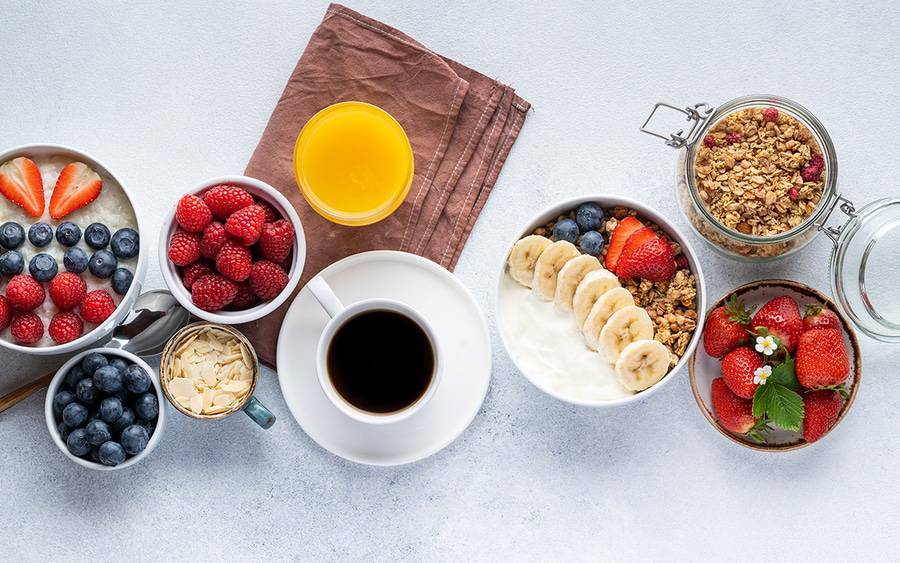
- Opt for Light Snacks – Fruit, yogurt, or a small handful of nuts.
- Stay Hydrated – Water or herbal teas are ideal.
- Eat 2–3 Hours Before Bed – Allows digestion and reduces reflux risk.
- Avoid Mindless Eating – Late-night snacking often involves high-calorie, low-nutrient foods.
Scientific References
- Tasali, E., et al. (2014). Sleep and metabolic health: The role of late-night eating. Annual Review of Medicine, 65, 25–35.
- Drake, C., et al. (2013). Caffeine effects on sleep: Epidemiology and clinical studies. Sleep, 36(6), 875–881.
- Savas, C., et al. (2016). Impact of spicy food on gastroesophageal reflux. World Journal of Gastroenterology, 22(35), 7967–7972.
- St-Onge, M. P., et al. (2016). Impact of diet on sleep quality and duration. Current Opinion in Clinical Nutrition & Metabolic Care, 19(6), 430–435.
- Garaulet, M., et al. (2013). Timing of food intake and obesity: Effects of late-night eating. International Journal of Obesity, 37, 1309–1316.
Conclusion
Avoiding sugary, fried, spicy, caffeinated, and heavy foods after 8 PM can improve sleep quality, digestion, and weight management. Opting for light, nutritious snacks in the evening supports overall health and ensures a restful night’s sleep.
https://www.babacares.com/blog-details?details=934&title=Foods+to+Avoid+After+8+PM%3A+Protect+Your+Sleep%2C+Digestion%2C+and+Weight.







Comments