

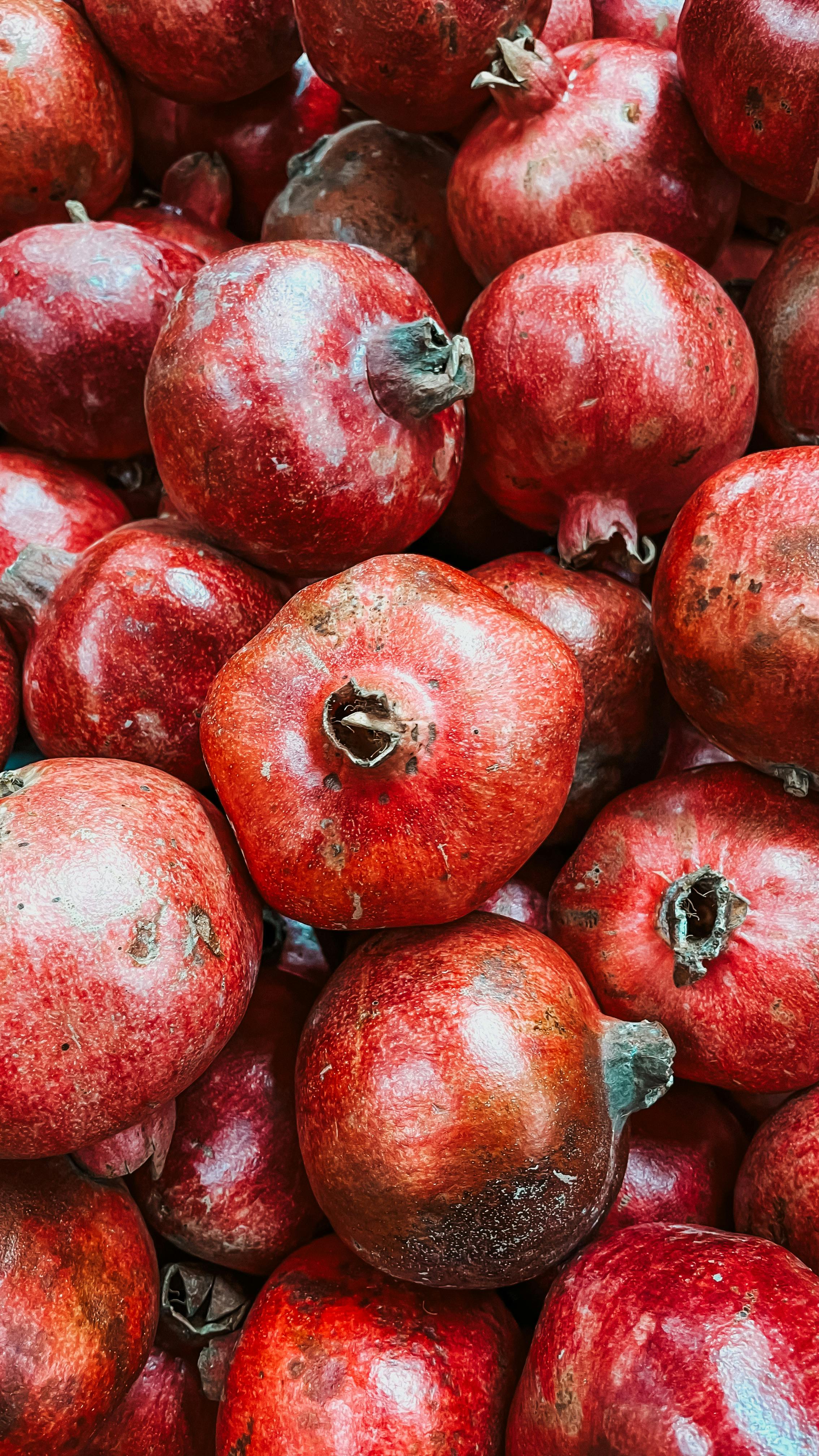
Pomegranates (Punica granatum): Nutritional Value, Health Benefits, and Therapeutic Potential
Introduction
The pomegranate (Punica granatum) is one of the oldest cultivated fruits in human history, valued for its vibrant red arils, refreshing taste, and medicinal properties. Native to the region extending from modern-day Iran to northern India, pomegranates are now grown worldwide in Mediterranean climates. Beyond their culinary appeal, pomegranates are rich in bioactive compounds that have attracted significant scientific interest for their antioxidant, anti-inflammatory, and cardioprotective effects.
This article explores the nutritional composition, health benefits, and emerging therapeutic applications of pomegranates, supported by scientific research.
Botanical Characteristics and Composition
Punica granatum is a deciduous shrub or small tree belonging to the Lythraceae family. The fruit is botanically classified as a berry and contains hundreds of edible arils surrounding individual seeds. These arils are rich in water, natural sugars, vitamins, minerals, and polyphenolic compounds.
Key bioactive components include:
-
Punicalagins (potent antioxidants unique to pomegranate)
-
Ellagic acid
-
Anthocyanins
-
Flavonoids
-
Tannins
Pomegranates are also a good source of vitamin C, vitamin K, folate, potassium, and dietary fiber. The high concentration of polyphenols gives pomegranates one of the strongest antioxidant capacities among fruits.
Antioxidant and Anti-Inflammatory Effects
Oxidative stress and chronic inflammation are central to many degenerative diseases. Pomegranate juice and extracts exhibit strong antioxidant activity due to their high polyphenol content. Punicalagins and anthocyanins neutralize free radicals and reduce lipid peroxidation.
Research suggests that pomegranate consumption may lower inflammatory markers by modulating pathways involved in inflammation. These effects may contribute to protection against conditions such as cardiovascular disease, metabolic syndrome, and certain cancers.
Cardiovascular Health Benefits
Several studies indicate that pomegranates may support heart health by:
-
Reducing blood pressure
-
Improving lipid profiles
-
Inhibiting oxidation of low-density lipoprotein (LDL)
-
Enhancing endothelial function
Regular intake of pomegranate juice has been associated with decreased systolic blood pressure and improved arterial elasticity. The fruit’s antioxidant compounds help prevent atherosclerotic plaque formation, a major risk factor for heart disease.
Potential Role in Cancer Prevention
Laboratory and clinical studies suggest that pomegranate extracts may inhibit the proliferation of cancer cells and promote apoptosis (programmed cell death). Research has explored its effects in prostate, breast, colon, and lung cancers.
In prostate cancer, pomegranate juice has shown potential in slowing the rise of prostate-specific antigen (PSA) levels. While promising, these findings are preliminary, and pomegranate should be viewed as a complementary dietary component rather than a standalone treatment.
Metabolic and Digestive Health
Pomegranate may also support metabolic health by improving insulin sensitivity and reducing oxidative stress associated with diabetes. Its fiber content aids digestion and promotes gut health. Additionally, antimicrobial properties of pomegranate extracts have demonstrated activity against certain pathogenic bacteria and fungi.
Safety and Considerations
Pomegranates are generally safe for most individuals when consumed as food. However, concentrated extracts may interact with certain medications, particularly those metabolized by liver enzymes. Individuals taking prescription medications should consult a healthcare professional before using pomegranate supplements therapeutically.
Conclusion
Pomegranates (Punica granatum) are nutrient-dense fruits with significant antioxidant and anti-inflammatory properties. Scientific evidence supports their potential benefits for cardiovascular health, cancer prevention, and metabolic regulation. While more large-scale clinical trials are needed, incorporating pomegranates into a balanced diet represents a practical and enjoyable strategy for promoting overall health.
References
-
Aviram, M., & Rosenblat, M. (2012). Pomegranate protection against cardiovascular diseases. Evidence-Based Complementary and Alternative Medicine, 2012, 382763.
-
Jurenka, J. (2008). Therapeutic applications of pomegranate (Punica granatum L.): A review. Alternative Medicine Review, 13(2), 128–144.
-
Lansky, E. P., & Newman, R. A. (2007). Punica granatum (pomegranate) and its potential for prevention and treatment of inflammation and cancer. Journal of Ethnopharmacology, 109(2), 177–206.
-
Viuda-Martos, M., Fernández-López, J., & Pérez-Álvarez, J. A. (2010). Pomegranate and its many functional components as related to human health. Comprehensive Reviews in Food Science and Food Safety, 9(6), 635–654.
-
Basu, A., & Penugonda, K. (2009). Pomegranate juice: A heart-healthy fruit juice. Nutrition Reviews, 67(1), 49–56.
-
Gil, M. I., Tomás-Barberán, F. A., Hess-Pierce, B., Holcroft, D. M., & Kader, A. A. (2000). Antioxidant activity of pomegranate juice and its relationship with phenolic composition. Journal of Agricultural and Food Chemistry, 48(10), 4581–4589.
https://www.babacares.com/blog-details?details=927&title=Pomegranates+%28Punica+granatum%29%3A+Nutritional+Value%2C+Health+Benefits%2C+and+Therapeutic+Potential








Comments