

Vegetables to Avoid if You Have Diabetes: Managing Blood Sugar Naturally.
Introduction
Vegetables are a key part of a healthy diet, but for people with diabetes, not all vegetables are created equal. Some vegetables have high carbohydrate content or glycemic index (GI), which can spike blood sugar levels. Knowing which vegetables to limit or avoid is essential for effective diabetes management and long-term health.
Vegetables to Limit or Avoid in Diabetes
1. Starchy Vegetables
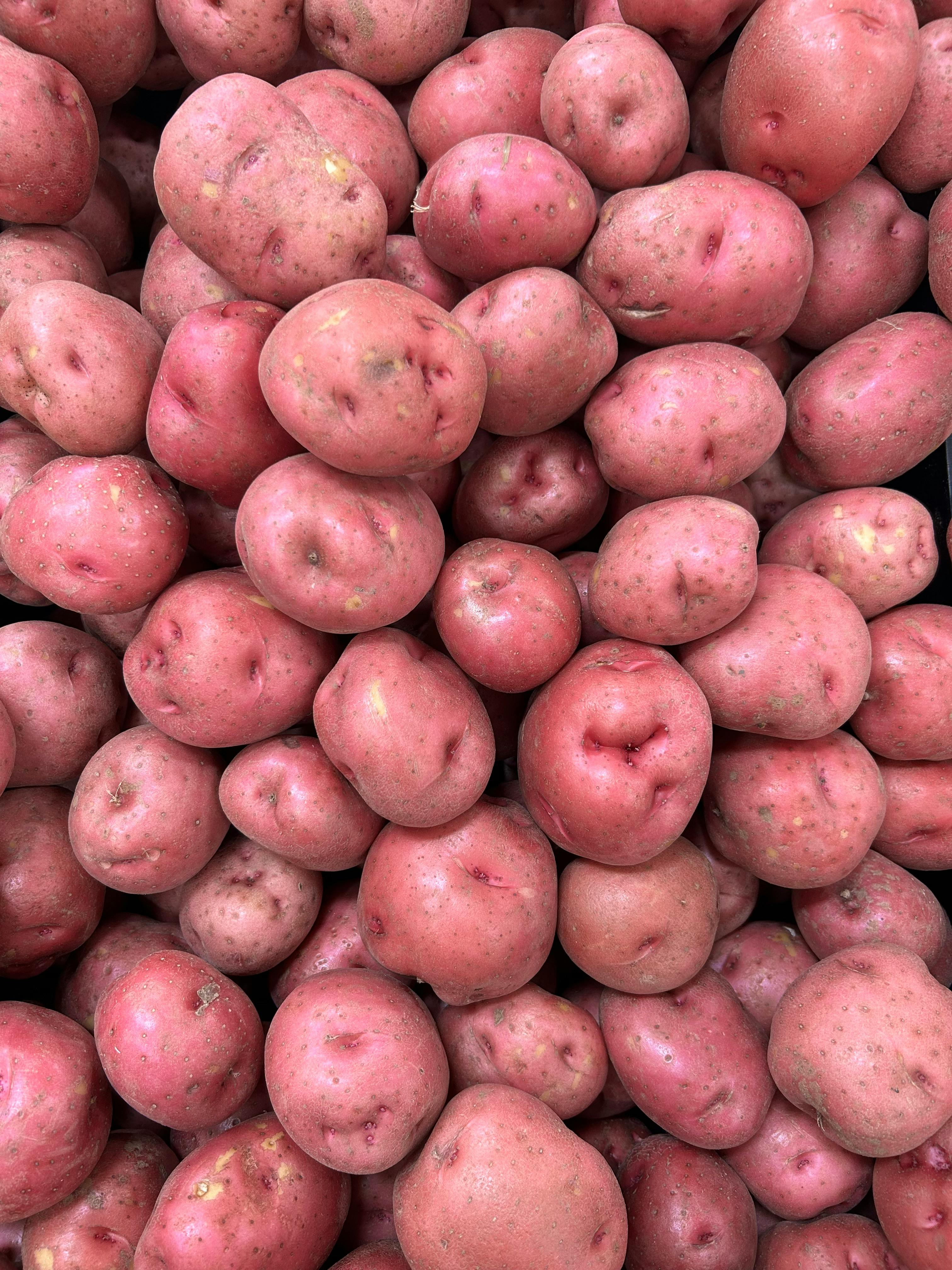
- Examples: Potatoes, sweet potatoes, yams, corn, and pumpkin
- High in starch and carbohydrates, causing rapid increases in blood sugar.
- Prefer small portions or replace with non-starchy vegetables.
- Reference: American Diabetes Association, 2023
2. Peas and Legumes in Excess
- Examples: Green peas, chickpeas, and lentils (while nutritious, can raise blood sugar in large quantities)
- They are moderate in carbs; measure portions carefully.
- Reference: Jenkins, D. J. A., et al., 2018. Diabetes Care, 41(5), 1031–1040.
3. Carrots (Cooked in Large Quantities)
- Raw carrots are low GI, but cooked carrots have higher GI and can affect blood sugar.
- Best eaten in moderation or raw.
4. Beets
- Naturally high in sugar and carbs, can cause spikes in glucose if eaten in large portions.
5. Winter Squash
- Examples: Butternut, acorn, and kabocha squash
- High carbohydrate content can raise blood sugar if portion sizes are not controlled.
6. Parsnips and Other Root Vegetables
- High in starch; can have a moderate to high glycemic index.
- Consume in small portions with protein or fiber to reduce blood sugar spikes.
Tips for Including Vegetables in a Diabetic Diet
- Prioritize Non-Starchy Vegetables – Spinach, kale, broccoli, cauliflower, zucchini, and bell peppers.
- Pair with Protein or Healthy Fats – Helps slow glucose absorption.
- Monitor Portion Sizes – Even higher-carb vegetables can fit in moderation.
- Opt for Raw or Lightly Cooked – Reduces glycemic impact.
- Track Blood Sugar Response – Personalize your diet based on how your body reacts.
Scientific References
- American Diabetes Association. (2023). Nutrition Therapy for Adults with Diabetes or Prediabetes. Diabetes Care, 46(Suppl 1), S1–S154.
- Jenkins, D. J. A., et al. (2018). Dietary Glycemic Index and Glycemic Load: Implications for Diabetes Management. Diabetes Care, 41(5), 1031–1040.
- Ludwig, D. S., et al. (1999). The Glycemic Index: Physiological Mechanisms Relating to Obesity, Diabetes, and Cardiovascular Disease. JAMA, 287(18), 2414–2423.
- McKeown, N. M., et al. (2004). Vegetable intake and risk of type 2 diabetes in women. American Journal of Clinical Nutrition, 79(6), 1086–1092.
Conclusion
While vegetables are essential for a healthy diet, people with diabetes should limit starchy and high-GI vegetables such as potatoes, corn, and beets. Focusing on non-starchy vegetables and monitoring portion sizes can help stabilize blood sugar, support weight management, and reduce diabetes-related complications.
https://www.babacares.com/blog-details?details=926&title=Vegetables+to+Avoid+if+You+Have+Diabetes%3A+Managing+Blood+Sugar+Naturally.









Comments