

Top Fermented Foods to Eat: Health Benefits, Gut Health, and Immunity Boost.
Introduction
Fermented foods have been consumed for centuries across cultures for their flavor, preservation, and health benefits. They are rich in probiotics, beneficial bacteria that support gut health, immunity, and digestion. Incorporating fermented foods into your diet can improve nutrient absorption, reduce inflammation, and enhance overall wellness.
Top Fermented Foods to Include in Your Diet
1. Yogurt
- Rich in probiotics, calcium, and protein.
- Supports digestive health and may reduce the risk of irritable bowel syndrome (IBS).
- Reference: Marco, M. L., et al., 2017. Nature Reviews Gastroenterology & Hepatology, 14, 491–502.
2. Kefir
- A fermented milk drink containing diverse probiotics.
- Helps regulate gut microbiota, improve lactose digestion, and boost immunity.
3. Sauerkraut
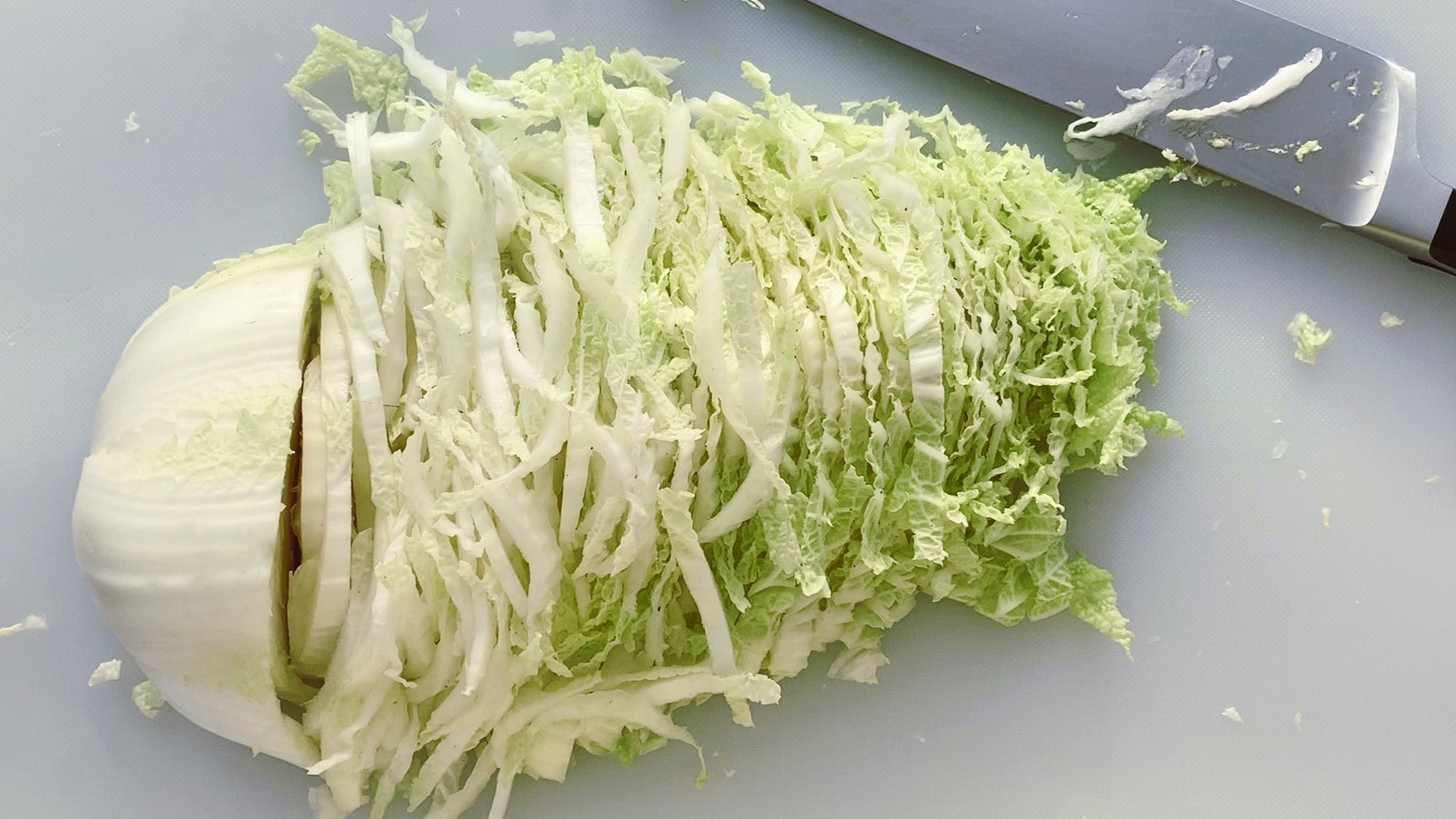
- Fermented cabbage rich in fiber, vitamins C and K, and probiotics.
- Supports gut health, digestion, and immune function.
- Reference: Hutkins, R., et al., 2016. Comprehensive Reviews in Food Science and Food Safety, 15(3), 485–511.
4. Kimchi
- Traditional Korean fermented vegetables like cabbage and radish.
- Contains probiotics, antioxidants, and anti-inflammatory compounds.
- Linked to improved gut microbiota and metabolic health.
5. Miso
- Fermented soybean paste used in soups and sauces.
- Rich in probiotics and essential minerals, supporting digestion and cardiovascular health.
6. Tempeh
- Fermented soybean cake with high protein and probiotics.
- Supports gut health, bone health, and heart health.
7. Kombucha
- Fermented tea containing probiotics and polyphenols.
- May improve digestion, detoxification, and immunity.
8. Pickled Vegetables (Naturally Fermented)
- Vegetables like cucumbers, carrots, or beets fermented naturally (without vinegar).
- Provide probiotics, fiber, and vitamins, supporting healthy gut bacteria.
Health Benefits of Fermented Foods
- Improves Digestion – Probiotics help break down food and enhance nutrient absorption.
- Supports Immune Function – Healthy gut microbiota is linked to a stronger immune system.
- Reduces Inflammation – Fermented foods contain bioactive compounds that lower inflammation.
- Boosts Mental Health – Gut-brain connection suggests probiotics can reduce anxiety and depression.
- Supports Weight Management – Probiotics may help regulate metabolism and appetite.
Precautions
- Choose naturally fermented foods without excessive sugar or preservatives.
- People with histamine intolerance should start with small amounts.
- Consult a doctor if you have a compromised immune system before consuming fermented foods.
Scientific References
- Marco, M. L., et al. (2017). Health benefits of fermented foods: microbiota and beyond. Nature Reviews Gastroenterology & Hepatology, 14, 491–502.
- Hutkins, R., et al. (2016). Fermented foods: definitions and characteristics, impact on gut microbiota and health. Comprehensive Reviews in Food Science and Food Safety, 15(3), 485–511.
- Tamang, J. P., et al. (2016). Functional properties of microorganisms in fermented foods. Frontiers in Microbiology, 7, 578.
- Marco, M. L., et al. (2021). Probiotics, fermented foods, and gut health. Annual Review of Food Science and Technology, 12, 33–57.
Conclusion
Incorporating fermented foods such as yogurt, kimchi, miso, and kombucha into your diet can enhance gut health, boost immunity, and improve overall wellness. Regular consumption, combined with a balanced diet and active lifestyle, provides a natural and effective way to support digestive, metabolic, and mental health.
https://www.babacares.com/blog-details?details=925&title=Top+Fermented+Foods+to+Eat%3A+Health+Benefits%2C+Gut+Health%2C+and+Immunity+Boost.










Comments