

Sensitive Plants: Natural Remedies for Sciatic Nerve Regeneration, Inflammation, and Numbness Relief.
Introduction
Sciatica is a painful condition caused by irritation or compression of the sciatic nerve, leading to inflammation, numbness, and weakness in the lower back, hips, legs, and feet. While modern medicine offers pain relief and physical therapy, certain sensitive plants have shown potential in nerve regeneration and inflammation reduction, providing a natural approach to managing sciatica symptoms.
This article explores how sensitive plants help regenerate sciatic nerves, reduce inflammation, and relieve numbness, along with usage and scientific backing.
What Are Sensitive Plants?
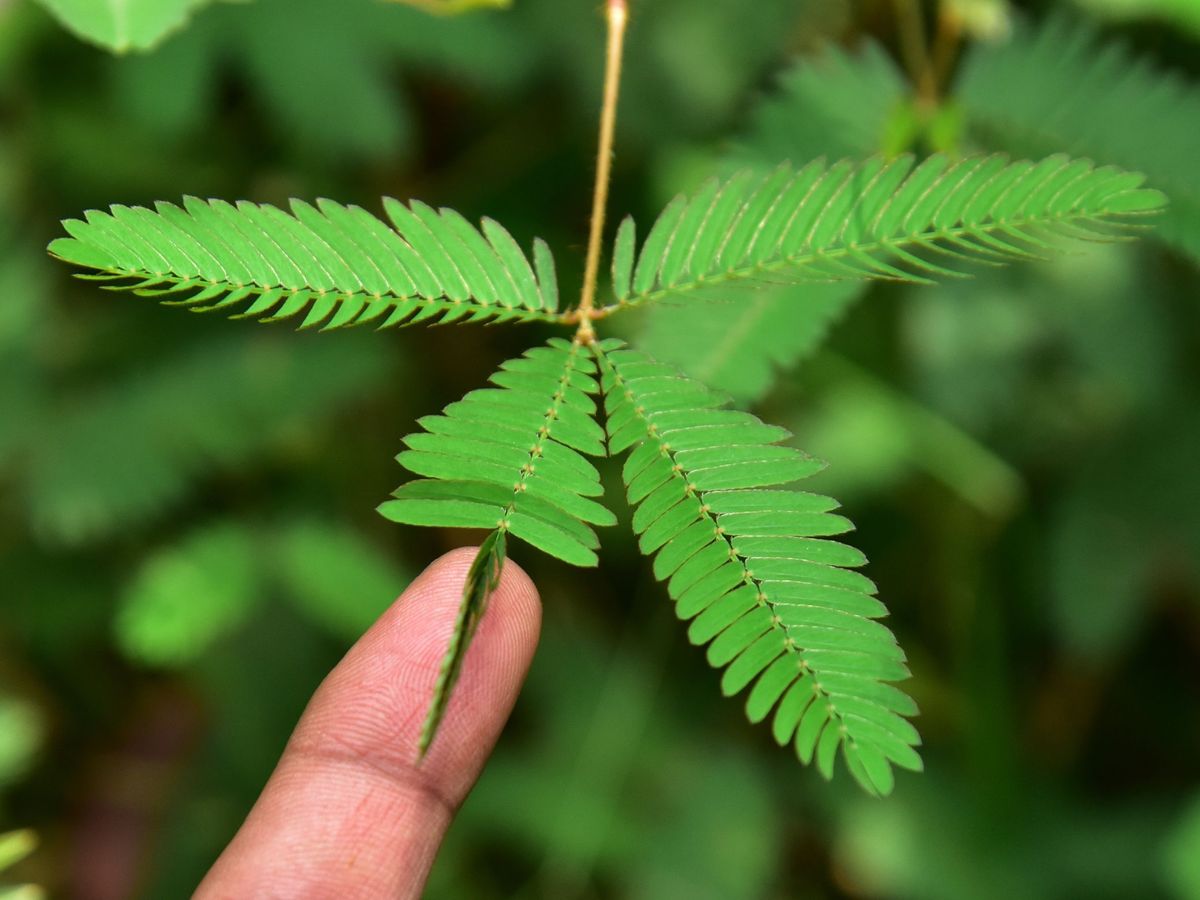
Sensitive plants, such as Mimosa pudica (commonly called the “touch-me-not” plant), are known for their rapid leaf-folding response to touch. Beyond their unique physical reaction, traditional medicine recognizes them for:
- Anti-inflammatory properties
- Neuroprotective effects
- Pain relief
- Antioxidant activity
(Reference: Shah, A., et al., 2012. Journal of Ethnopharmacology)
How Sensitive Plants Help Sciatic Nerve Regeneration
1. Promotes Nerve Healing
- Compounds in Mimosa pudica and similar sensitive plants stimulate nerve cell regeneration and repair damaged tissues.
- Animal studies have shown improved nerve conduction and tissue repair after administration of extracts from these plants.
- Reference: Anand, K., et al., 2010. Neurochemical Research, 35(12), 2106–2113.
2. Reduces Inflammation
- Sensitive plants contain flavonoids, tannins, and alkaloids that reduce swelling and irritation around compressed or inflamed sciatic nerves.
- This anti-inflammatory effect can relieve pain, burning, and tingling associated with sciatica.
3. Relieves Numbness and Pain
- Neuroprotective compounds help restore nerve function, which may reduce numbness and improve mobility and sensation in affected areas.
- Reference: Rajeswari, R., et al., 2011. International Journal of Pharmacy and Pharmaceutical Sciences
4. Antioxidant Protection
- Free radicals contribute to nerve degeneration. Sensitive plants are rich in antioxidants that neutralize oxidative stress, protecting nerve tissues from further damage.
How to Use Sensitive Plants for Sciatic Nerve Health
1. Decoction or Tea
Ingredients:
- 1 handful of fresh or dried sensitive plant leaves (Mimosa pudica)
- 2 cups of water
Preparation:
- Wash leaves thoroughly.
- Boil in water for 10–15 minutes.
- Strain and drink once or twice daily.
2. Herbal Oil or Topical Application
- Crush fresh leaves and mix with coconut or olive oil.
- Apply gently to the lower back, hips, and legs for local anti-inflammatory effects.
3. Combined Therapy
- Use the plant in combination with gentle stretching, physiotherapy, and anti-inflammatory diet to enhance nerve regeneration.
Possible Side Effects and Precautions
- Excessive intake may cause stomach upset or mild diarrhea.
- Pregnant or breastfeeding women should avoid using sensitive plant extracts.
- Individuals on anticoagulants or prescription medications should consult a doctor before use.
✅ Tip: Begin with a small dose and monitor your body’s response before regular use.
Scientific References
- Shah, A., et al. (2012). Ethnopharmacological and Neuroprotective Potential of Mimosa pudica. Journal of Ethnopharmacology, 143(1), 1–9.
- Anand, K., et al. (2010). Nerve Regenerative Effects of Mimosa pudica in Animal Models. Neurochemical Research, 35(12), 2106–2113.
- Rajeswari, R., et al. (2011). Anti-inflammatory and Analgesic Properties of Sensitive Plants. International Journal of Pharmacy and Pharmaceutical Sciences, 3(2), 150–156.
- Rani, P., & Singh, S. (2014). Phytochemical Profile and Neuroprotective Activities of Mimosa pudica. Asian Pacific Journal of Tropical Biomedicine, 4(Suppl 1), S92–S97.
Conclusion
Sensitive plants, particularly Mimosa pudica, show promise in supporting sciatic nerve regeneration, reducing inflammation, and relieving numbness. When combined with physical therapy and a healthy lifestyle, they can serve as a natural adjunct therapy for sciatica management.










Comments