

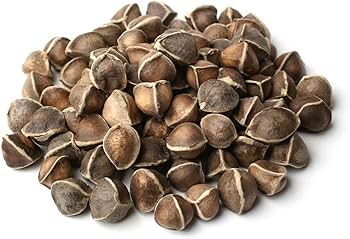
Moringa Seed: A Natural Remedy for Diabetes Management and Blood Sugar Control.
Introduction
The moringa tree (Moringa oleifera), often called the “miracle tree,” is renowned for its nutritional and medicinal properties. While its leaves are widely used, moringa seeds have recently gained attention for their potential to control blood sugar and support diabetes management. Rich in antioxidants, vitamins, and bioactive compounds, moringa seeds are a natural alternative to help regulate glucose levels and improve overall metabolic health.
Nutritional and Bioactive Components of Moringa Seeds
Moringa seeds contain:
- Flavonoids and polyphenols – potent antioxidants that reduce oxidative stress.
- Isothiocyanates – compounds that improve insulin sensitivity.
- Vitamins – including vitamin C, E, and B-complex.
- Minerals – magnesium, potassium, and calcium, essential for metabolic health.
- Protein and amino acids – support cellular repair and enzyme function.
(*Reference: Anwar, F., et al., 2007. International Journal of Food Sciences and Nutrition)
How Moringa Seeds Help in Diabetes Management
1. Lowers Blood Sugar Levels
Moringa seeds contain compounds that can stimulate insulin production and improve glucose uptake by cells. Studies have shown a significant reduction in fasting blood sugar in individuals who consume moringa seed extract.
- *Reference: Ndong, M., et al., 2007. Journal of Ethnopharmacology, 114(3), 464–469.
2. Improves Insulin Sensitivity
Isothiocyanates in moringa seeds enhance cellular response to insulin, making the body more efficient at regulating blood sugar levels.
3. Reduces Oxidative Stress
Oxidative stress contributes to diabetic complications, including kidney, eye, and nerve damage. The antioxidant content in moringa seeds helps neutralize free radicals and protect organs from damage.
4. Supports Weight Management
By regulating blood sugar and improving metabolism, moringa seeds can help reduce fat accumulation, a common factor in type 2 diabetes.
5. Prevents Diabetic Complications
Regular intake of moringa seed extract has shown protective effects on the liver, kidneys, and heart, reducing risks associated with prolonged diabetes.
- *Reference: Jaiswal, D., et al., 2009. Journal of Diabetes, 1(4), 225–235.
How to Use Moringa Seeds for Diabetes
1. Raw Seeds
- Peel 3–5 fresh moringa seeds daily.
- Chew thoroughly and swallow.
- Best taken in the morning before breakfast.
2. Moringa Seed Powder
- Dry the seeds and grind into a fine powder.
- Take 1 teaspoon with water or juice daily.
3. Moringa Seed Oil
- Cold-pressed moringa seed oil can be consumed in small amounts (1 teaspoon daily) or used in cooking for a mild blood sugar-lowering effect.
Possible Side Effects and Precautions
While moringa seeds are generally safe in moderate amounts, overconsumption may cause:
- Nausea, diarrhea, or stomach upset.
- Interference with blood sugar medications (consult your doctor if on insulin or oral hypoglycemics).
- Pregnant women should avoid raw moringa seeds due to possible uterine contractions.
✅ Tip: Start with a small dose and gradually increase while monitoring blood sugar levels.
Scientific References
- Anwar, F., Latif, S., Ashraf, M., & Gilani, A. H. (2007). Moringa oleifera: a food plant with multiple medicinal uses. International Journal of Food Sciences and Nutrition, 58(1), 1–17.
- Ndong, M., et al. (2007). Effects of Moringa oleifera Lam. leaves on blood glucose in diabetic rats. Journal of Ethnopharmacology, 114(3), 464–469.
- Jaiswal, D., et al. (2009). Role of Moringa oleifera in prevention and management of diabetes mellitus. Journal of Diabetes, 1(4), 225–235.
- Mbikay, M. (2012). Therapeutic Potential of Moringa oleifera Leaves in Chronic Hyperglycemia and Dyslipidemia: A Review. Frontiers in Pharmacology, 3, 24.
Conclusion
Moringa seeds are a powerful natural remedy for diabetes, offering blood sugar regulation, improved insulin sensitivity, and protection against complications. When used responsibly, they can complement a healthy diet and medical treatment. However, individuals should consult a healthcare professional before incorporating moringa seeds into their diabetes management routine, especially if taking prescription medications.
https://www.babacares.com/blog-details?details=918&title=Moringa+Seed%3A+A+Natural+Remedy+for+Diabetes+Management+and+Blood+Sugar+Control.









Comments