

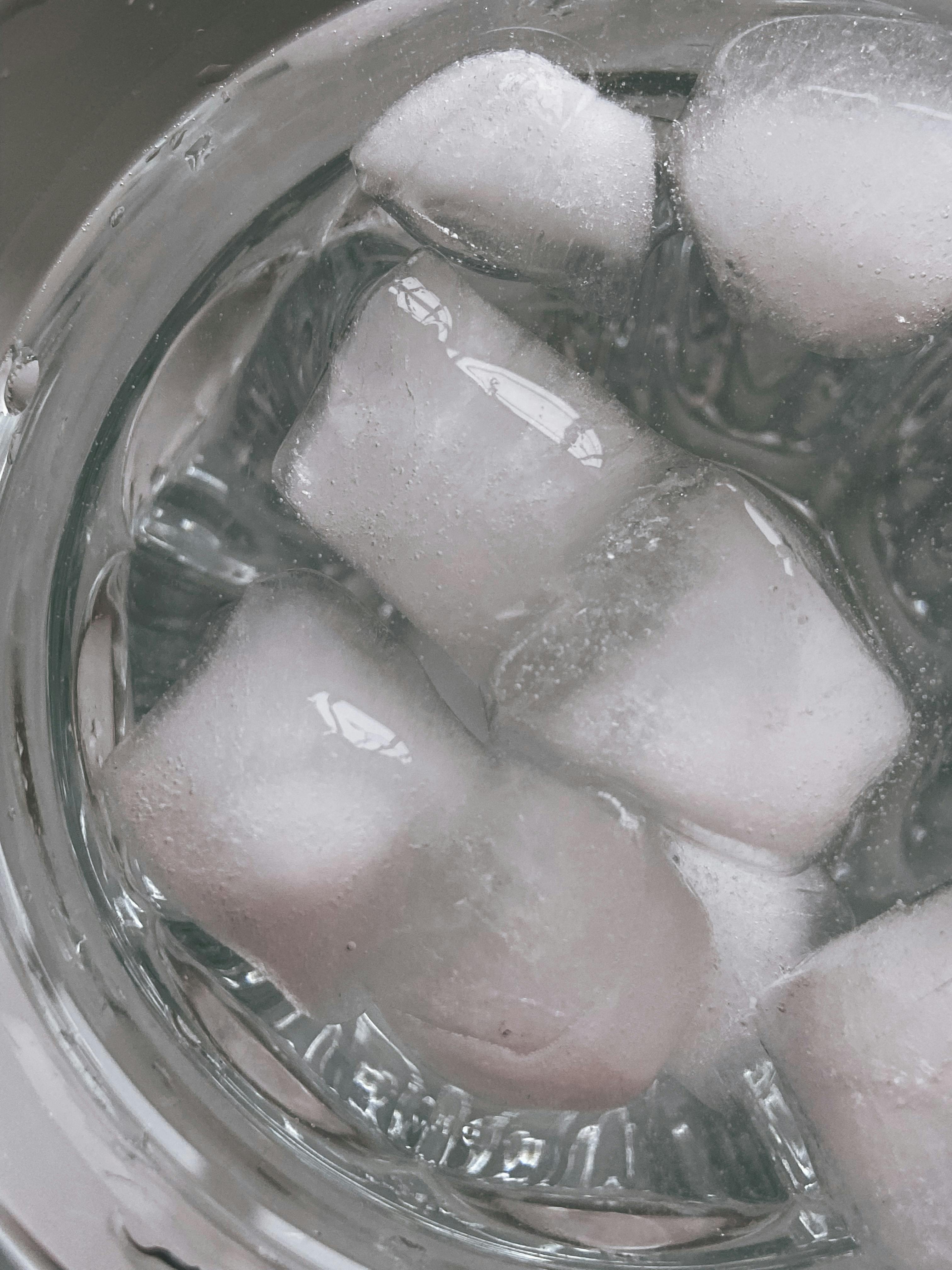
Hidden Dangers of Drinking Cold Water: Health Effects, Risks, and What Science Says.
Introduction
Drinking cold water might seem refreshing, especially on a hot day—but have you ever wondered if it’s truly good for your health? While cold water can temporarily cool your body, studies have shown that frequent consumption of very cold water can cause several digestive, respiratory, and circulatory problems. This article explores the scientific effects and dangers of drinking cold water, along with evidence-based tips for healthier hydration.
How Cold Water Affects the Body
When you drink cold water, your body must work harder to regulate its internal temperature. This reaction can trigger several physiological responses, including blood vessel constriction and slowed digestion. Although an occasional cold drink is generally safe, habitual consumption can have negative health effects.
1. Cold Water Slows Down Digestion
Cold water can constrict blood vessels in the stomach and intestines, making it harder for your body to digest food efficiently. It may also solidify fats from your meal, slowing nutrient absorption and causing bloating or indigestion.
- A study published in the Journal of Gastroenterology and Hepatology (2012) found that cold beverages slow gastric emptying and delay digestion.
- Traditional medicine systems such as Ayurveda and Chinese Medicine advise avoiding cold water after meals, emphasizing warm water to support digestion and energy flow.
2. May Trigger Throat Pain and Respiratory Problems
Cold water can irritate the mucous membrane of the throat and respiratory tract, leading to sore throat, cough, or nasal congestion—especially in people prone to colds.
- Research from the American Journal of Rhinology & Allergy (2018) suggests that cold water may exacerbate mucus formation and constrict airways, worsening symptoms of asthma and sinusitis.
3. Causes Blood Vessel Constriction and Headaches
When you drink icy water too quickly, it causes a rapid constriction of blood vessels in the sinuses and brain, leading to what is known as “brain freeze” or cold-stimulus headache.
- According to The Journal of Headache and Pain (2013), cold drinks can trigger migraines in susceptible individuals due to sudden changes in cranial blood flow.
4. Can Shock the Nervous System
For people with sensitive nerves or chronic conditions, like tooth sensitivity or neuralgia, drinking cold water can send a shock signal through the nervous system, causing pain or dizziness.
- The British Dental Journal (2017) reports that frequent cold beverage intake increases tooth sensitivity and enamel erosion over time.
5. Reduces Heart Function Efficiency in Some People
Drinking cold water immediately after exercise or physical exertion can cause the vagus nerve to overreact, slowing the heart rate temporarily. This can lead to chest tightness or cramps, especially in people with cardiovascular issues.
- A study from the European Journal of Applied Physiology (2010) found that cold water post-exercise affects heart rhythm and can reduce body temperature rapidly, causing muscle stiffness.
6. May Aggravate Migraine and Sinus Conditions
People suffering from chronic sinusitis or migraines should avoid cold water, as it can trigger vasoconstriction (narrowing of blood vessels), leading to headaches and facial pain.
7. Weakens the Immune System Over Time
Cold water temporarily lowers body temperature, which can slow immune response and reduce the body’s ability to fight infections. This is particularly concerning for people with weak immunity or chronic illness.
- The Journal of Physiology and Pharmacology (2015) notes that abrupt cooling can increase oxidative stress and affect white blood cell function.
Healthier Alternatives to Cold Water
✅ Drink room temperature or warm water — it helps digestion and keeps blood circulation optimal.
✅ Add lemon or ginger — for better hydration and detoxification.
✅ After exercise, drink water that is cool, not icy, to avoid shock to the system.
✅ In cold weather, warm water helps maintain internal temperature and prevents respiratory irritation.
Scientific References
- Journal of Gastroenterology and Hepatology (2012). Effect of Beverage Temperature on Gastric Emptying and Digestion.
- American Journal of Rhinology & Allergy (2018). Cold Beverage Intake and Nasal Congestion: A Clinical Observation.
- The Journal of Headache and Pain (2013). Cold-Stimulus Headaches Triggered by Iced Beverages.
- British Dental Journal (2017). Beverage Temperature and Tooth Sensitivity: A Review.
- European Journal of Applied Physiology (2010). Cardiovascular and Thermoregulatory Responses to Cold Water Ingestion After Exercise.
- Journal of Physiology and Pharmacology (2015). Thermal Stress and Its Impact on Immune Function.
Conclusion
While drinking cold water may seem refreshing, regular consumption—especially after meals or workouts—can harm your digestive system, heart rhythm, and immune response. The best practice is to drink water at room temperature or slightly warm to promote better metabolism, hydration, and overall wellness.
https://www.babacares.com/blog-details?details=915&title=Hidden+Dangers+of+Drinking+Cold+Water%3A+Health+Effects%2C+Risks%2C+and+What+Science+Says.










Comments