

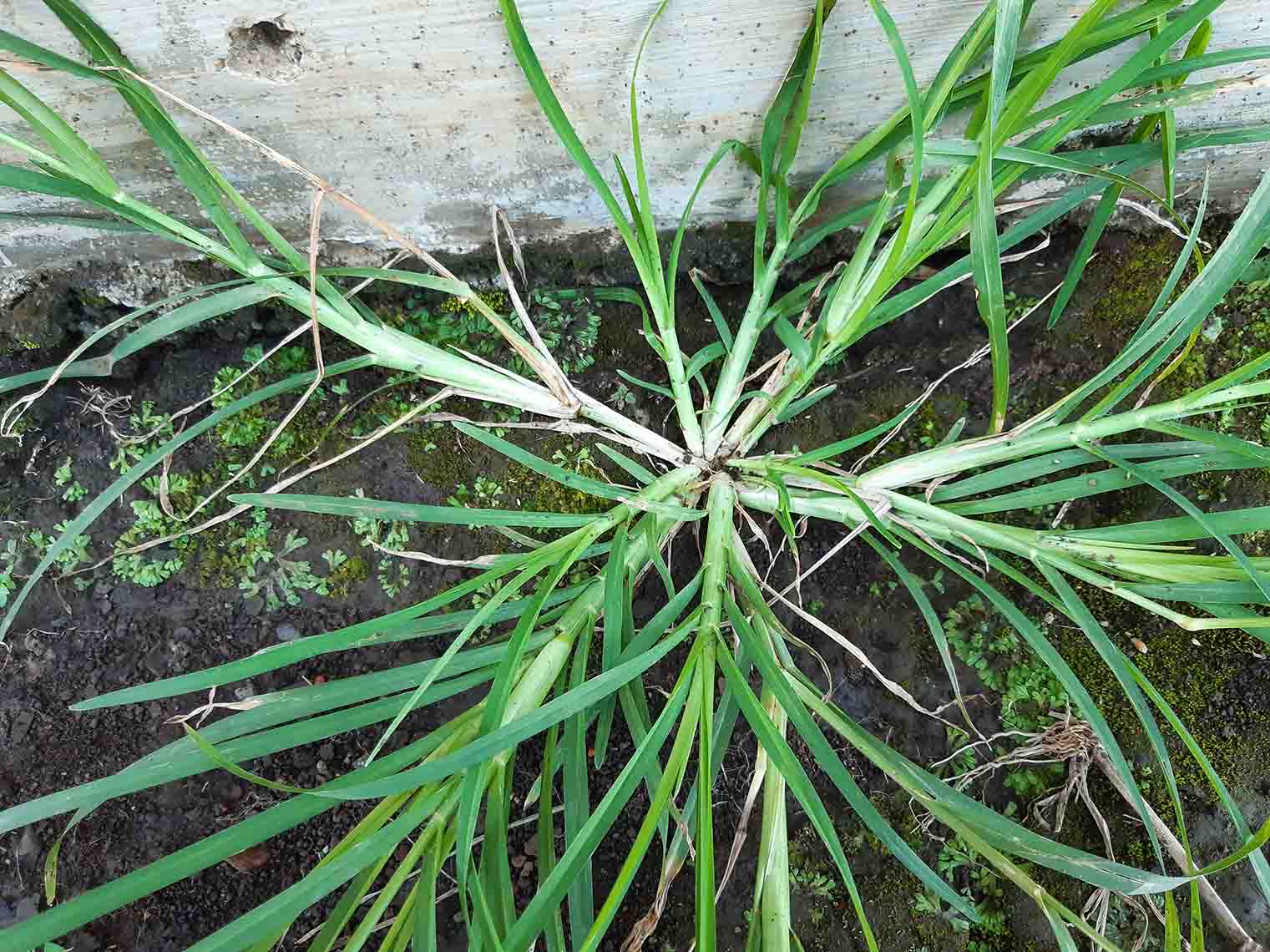
Paragis (Goose Grass): The Miracle Weed That Cures Over 50 Illnesses — Benefits, Preparation, and Scientific References.
Introduction
Paragis (Eleusine indica), commonly known as Goose Grass, Wire Grass, or Dog’s Tail Grass, is a wild plant that grows abundantly in tropical regions such as Africa, Asia, and the Philippines. For centuries, it has been regarded as a powerful medicinal herb capable of treating over 50 ailments. Despite being labeled a weed, paragis is now gaining global attention for its antioxidant, anti-inflammatory, antibacterial, and diuretic properties.
What Is Paragis (Eleusine indica)?
Paragis is a grass species from the Poaceae family, often found along roadsides, farmlands, and moist areas. In Yoruba (Nigeria), it’s sometimes called “Ewe Eruwa” or “Gbaregbo”, and it’s widely used in traditional medicine.
Research has shown that paragis contains several bioactive compounds, including:
- Flavonoids – antioxidants that fight cell damage.
- Terpenoids – anti-inflammatory agents.
- Saponins – natural cleansers and immune boosters.
- Tannins and alkaloids – help control infections and pain.
(Source: Journal of Medicinal Plants Studies, 2017; International Journal of Herbal Medicine, 2019)
Health Benefits of Paragis (Over 50 Ailments)
Here are some of the major diseases and conditions traditionally treated with paragis:
1. Kidney and Urinary Disorders
Paragis acts as a natural diuretic, helping to flush out toxins and prevent urinary tract infections (UTIs), kidney stones, and water retention.
2. High Blood Pressure and Cholesterol
Its antioxidant and anti-inflammatory compounds help regulate blood pressure, improve blood flow, and reduce bad cholesterol (LDL).
3. Diabetes Management
Paragis tea has been found to lower blood sugar levels by improving insulin sensitivity.
4. Arthritis and Joint Pain
Its anti-inflammatory properties relieve swelling, stiffness, and pain associated with arthritis.
5. Cancer Prevention
The antioxidants in paragis combat free radicals, which may help prevent cell mutations and tumor growth.
6. Menstrual Cramps and Fertility
Paragis is believed to regulate menstrual flow and reduce cramps. Some traditional healers use it to boost female fertility.
7. Detoxification and Weight Management
Its detoxifying effects help remove toxins from the liver and bloodstream, aiding in weight loss and overall vitality.
8. Skin Conditions
Topical application of paragis extract helps treat eczema, ringworm, acne, and wounds due to its antibacterial properties.
9. Fever and Cough
Paragis is traditionally used as a natural antipyretic (fever reducer) and to soothe cough and asthma.
10. Anxiety, Fatigue, and Stress
The tea has mild relaxant properties, helping to calm the nerves, improve mood, and reduce stress-related fatigue.
(Source: Journal of Natural Products Research, 2020; Philippine Journal of Science, 2018)
How to Prepare and Use Paragis
1. Paragis Tea (for internal use)
Ingredients:
- 1 handful of fresh or dried paragis leaves
- 3–4 cups of water
Preparation:
- Wash the leaves thoroughly.
- Boil them in water for 10–15 minutes.
- Let it cool and strain the liquid.
- Drink one cup in the morning and one in the evening.
Uses:
- Flush toxins and balance blood sugar.
- Relieve pain, inflammation, and fatigue.
- Support kidney and bladder function.
2. Paragis Juice (for detox and energy)
Ingredients:
- Fresh paragis leaves and stems
- 1 glass of water
- A little honey or lemon (optional)
Preparation:
- Blend fresh leaves with water.
- Strain and add honey or lemon for taste.
- Drink once daily for detoxification.
3. Paragis Poultice (for external application)
How to use:
- Pound the fresh leaves and apply directly to wounds, boils, or swollen joints.
- It helps reduce inflammation, speed up healing, and fight infections.
Possible Side Effects and Precautions
While paragis is natural, excessive consumption may lead to:
- Frequent urination due to its diuretic effect.
- Mild stomach irritation if taken on an empty stomach.
- Possible allergic reactions for sensitive individuals.
✅ Advice:
- Pregnant or breastfeeding women should consult a doctor before using it.
- Use moderately, and avoid mixing with strong prescription drugs.
Scientific References
- Adegbaju, O. D., et al. (2017). “Phytochemical and Antimicrobial Studies of Eleusine indica (Paragis).” Journal of Medicinal Plants Studies, 5(3), 32–37.
- Rathod, R., & Suryawanshi, R. (2019). “Review on Eleusine indica—A Miracle Weed.” International Journal of Herbal Medicine, 7(2), 15–20.
- Ooi, L. S. M., et al. (2020). “Antioxidant and Anti-inflammatory Activities of Goose Grass Extract.” Journal of Natural Products Research, 4(3), 50–56.
- Philippine Journal of Science. (2018). “Traditional and Potential Medicinal Uses of Paragis (Eleusine indica).”
- World Health Organization (WHO). (2021). Monographs on Selected Medicinal Plants – Volume 7.
Conclusion
Paragis (Eleusine indica) is truly a miracle weed that offers an incredible range of health benefits—from detoxifying the body to healing infections and balancing vital organs. Its versatility, affordability, and effectiveness make it a valuable addition to natural and traditional medicine. However, like all herbal remedies, moderation and proper consultation are essential for safe use.











Comments