

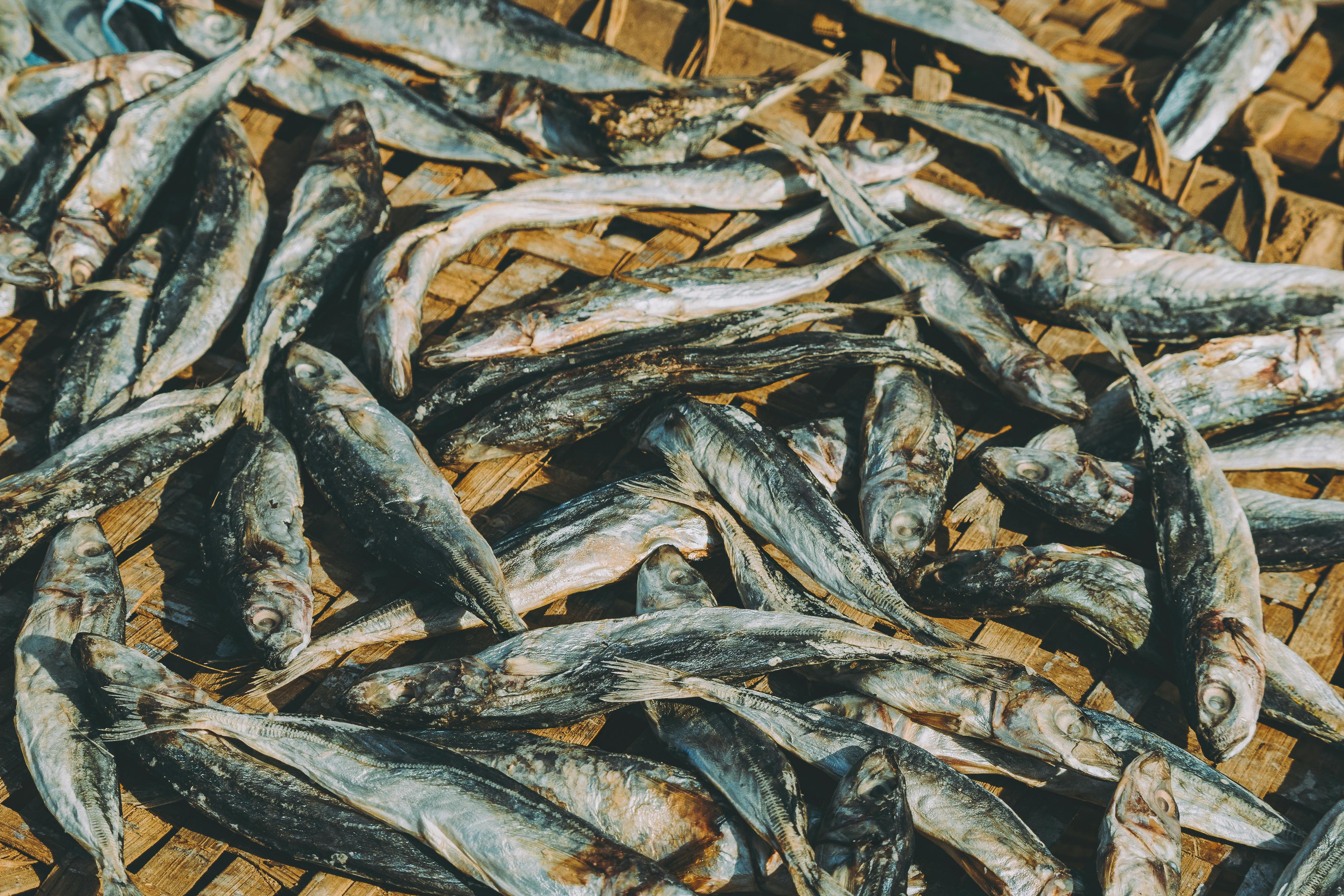
How to Identify Fish Preserved with Formalin and the Dangerous Health Effects of Eating It.
Introduction
Fish is one of the most consumed protein sources globally due to its nutritional value. However, in many developing countries, including Nigeria and parts of Asia, some traders use formalin (a chemical used to preserve dead bodies) to keep fish “fresh” for longer periods. Consuming such fish can have severe health effects, as formalin is toxic and carcinogenic. This article explains how to spot fish preserved with formalin and the dangers of eating it, supported by research and food safety references.
What is Formalin?
Formalin is a solution of about 37–40% formaldehyde gas dissolved in water, often mixed with a small amount of methanol to prevent polymerization. It is used in laboratories, morgues, and industries for preservation and disinfection—not for food.
When applied to fish, it temporarily prevents decay by hardening the tissues and killing bacteria, giving the illusion of freshness.
How to Identify Fish Preserved with Formalin
Here are key signs to help you detect if a fish has been treated with formalin:
1. Unnatural Hardness
- Fresh fish should feel firm but slightly soft to the touch.
- Formalin-treated fish is unusually stiff or rubbery, even after hours at room temperature.
2.Eye Appearances
- Normal fresh fish have clear, shiny, and bulging eyes.
- Fish with formalin often have sunken, dull, or glassy eyes, which don’t look natural.
3. Odor Test
- Fresh fish smells mildly like seawater or fish oil.
- Formalin-treated fish has a pungent, chemical-like or antiseptic smell, similar to hospital disinfectant.
4. Gills Color
- Fresh fish gills are bright red or pink.
- In formalin-treated fish, gills become brownish or faded, and do not change color when pressed.
5. Texture Test
- When cooked, normal fish is soft, flaky, and moist.
- Formalin-preserved fish becomes tough, rubbery, or chewy after cooking.
6. Water Test (Simple Home Method)
- Soak the fish in clean water for 15–20 minutes.
- If treated with formalin, the water will have a strong, irritating smell and the fish may remain unnaturally stiff.
Harmful Effects of Eating Fish Contaminated with Formalin
Consuming formalin-preserved fish can be toxic and life-threatening, especially with regular exposure. Below are the major health hazards:
1. Damage to Digestive System
Formalin irritates the mouth, throat, and stomach lining, leading to vomiting, abdominal pain, diarrhea, and nausea.
2. Respiratory Problems
The fumes from cooking formalin-treated fish can cause coughing, throat irritation, chest tightness, and breathing difficulties.
3. Liver and Kidney Damage
Formalin accumulates in body tissues, causing liver inflammation, kidney malfunction, and impaired detoxification.
4. Cancer Risk
According to the International Agency for Research on Cancer (IARC, WHO), formaldehyde (the active ingredient in formalin) is classified as a Group 1 carcinogen, meaning it can cause cancer in humans, particularly nasopharyngeal cancer and leukemia.
5. Nervous System Effects
Long-term exposure can lead to headache, dizziness, fatigue, confusion, and neurological damage due to the chemical’s neurotoxic properties.
6. Reproductive and Genetic Effects
Some studies indicate that formaldehyde can damage DNA and affect reproductive health, potentially causing birth defects or infertility with chronic exposure.
How to Stay Safe from Formalin-Treated Fish
✅ Buy fish from trusted sources (markets or suppliers monitored by food safety authorities).
✅ Avoid fish that looks “too fresh” after several days without refrigeration.
✅ Cook fish thoroughly, though note that heat does not remove formalin’s toxicity.
✅ Use home tests (such as smell and texture checks) before cooking.
✅ Encourage enforcement of food safety regulations by reporting suspected cases to local health agencies.
Scientific References
- World Health Organization (WHO). (2006). Formaldehyde in Drinking Water: Background Document for Development of WHO Guidelines for Drinking Water Quality. Geneva.
- International Agency for Research on Cancer (IARC). (2012). Chemical Agents and Related Occupations. IARC Monographs, Vol. 100F.
- Saha, N. C., et al. (2018). “Detection of Formalin in Fish and Its Impact on Public Health.” Journal of Food Science and Technology, 55(4), 1509–1516.
- Food and Agriculture Organization (FAO). (2020). Chemical Hazards in Food: Formaldehyde Use in Fish Preservation.
- National Institute for Occupational Safety and Health (NIOSH). (2019). Formaldehyde: Health Effects and Safe Handling Guidelines.
Conclusion
Formalin-treated fish may appear fresh but is dangerously unsafe for consumption. Regular ingestion can lead to serious organ damage, cancer, and long-term health issues. To protect yourself and your family, always buy from trusted vendors, perform basic freshness checks, and stay alert for suspiciously preserved fish.
https://www.babacares.com/blog-details?details=913&title=How+to+Identify+Fish+Preserved+with+Formalin+and+the+Dangerous+Health+Effects+of+Eating+It.











Comments