

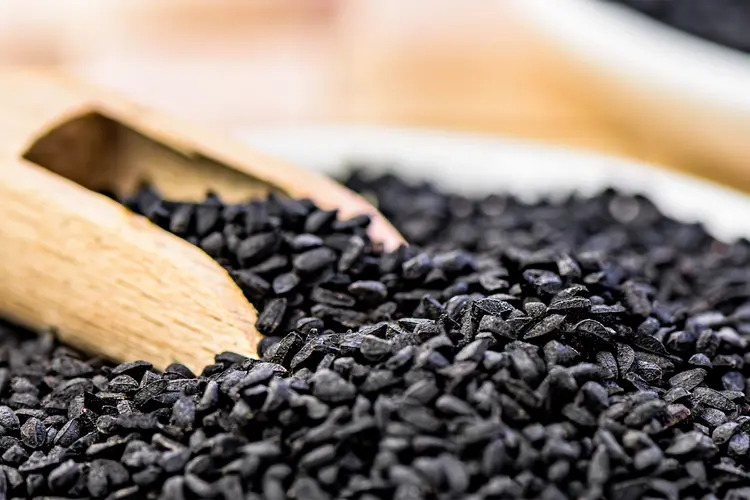
Black Seed and Black Seed Oil: Uses, Benefits, and Potential Side Effects.
Black seed, also known as Nigella sativa, is a flowering plant native to South and Southwest Asia. Its seeds and oil have been used for centuries in traditional medicine to treat a variety of ailments. Often called the “seed of blessing”, black seed is praised for its medicinal and nutritional properties.
Nutritional Profile of Black Seed Oil
- Thymoquinone: A powerful antioxidant and anti-inflammatory compound.
- Essential Fatty Acids: Omega-3, omega-6, and omega-9 fatty acids.
- Vitamins & Minerals: Contains calcium, iron, potassium, and vitamins B1, B2, and B3.
Common Uses of Black Seed and Black Seed Oil
- Immune System Support
Black seed oil has been shown to help strengthen immunity and fight off infections due to its antioxidant and antibacterial properties. - Anti-Inflammatory and Pain Relief
Used traditionally to reduce inflammation and relieve conditions such as arthritis, muscle pain, and asthma. - Blood Sugar Regulation
Some studies suggest that black seed may help lower blood sugar levels and improve insulin sensitivity. - Heart Health
Black seed oil may help reduce blood pressure, cholesterol levels, and triglycerides, supporting cardiovascular health. - Skin and Hair Care
- Used topically for eczema, acne, and psoriasis.
- Promotes hair growth and scalp health.
- Digestive Health
Black seed may aid in digestion, relieve bloating, and support overall gut health.
How to Use Black Seed Oil
- Orally: 1–2 teaspoons per day, either directly or mixed with honey or juice.
- Topically: Apply 2–3 drops to the affected skin or hair area.
- Capsules: Available as dietary supplements for convenient intake.
Potential Side Effects and Precautions
While black seed oil is generally safe for most people, some may experience:
- Allergic reactions: Rash or itching when applied to the skin.
- Digestive discomfort: Nausea, bloating, or diarrhea if taken in excess.
- Blood Pressure Effects: May lower blood pressure, so caution is advised for those on antihypertensive medications.
- Pregnancy & Breastfeeding: Limited safety data; consult a healthcare professional before use.
Conclusion
Black seed and black seed oil offer a wide range of health benefits, from boosting immunity and regulating blood sugar to supporting heart, skin, and hair health. However, moderation is key, and consulting a healthcare professional is recommended, especially if you have underlying health conditions or are pregnant.
References
- WebMD. “Black Seed (Nigella sativa).” https://www.webmd.com
- National Center for Biotechnology Information (NCBI). “Nigella sativa: A Review on Therapeutic Potential.” https://www.ncbi.nlm.nih.gov
- Healthline. “Black Seed Oil Benefits, Uses, and Side Effects.” https://www.healthline.com
- Mayo Clinic. “Herbs and Supplements: Nigella Sativa.” https://www.mayoclinic.org
https://www.babacares.com/blog-details?details=903&title=Black+Seed+and+Black+Seed+Oil%3A+Uses%2C+Benefits%2C+and+Potential+Side+Effects.








Comments