

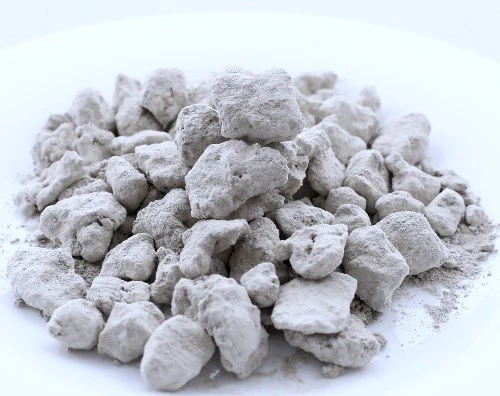
The Hidden Health Risks of Using Potash (Kaun/Kanwa) in Cooking.
Potash, also called kanwa, kaun, or potassium carbonate, is a common additive in West African cooking used to soften beans, make traditional soups, and reduce cooking time. While it may seem convenient, regular use of potash in cooking can pose serious health risks.
How Potash Can Be Injurious to Health
- Disrupts Electrolyte Balance
Potash is high in potassium. Excessive intake can disrupt the body’s electrolyte balance, causing irregular heartbeat, high blood pressure, and potential heart problems. People with kidney disease are particularly at risk because their kidneys cannot efficiently remove extra potassium. - Stomach and Digestive Issues
Overuse of potash can irritate the stomach lining, leading to nausea, vomiting, abdominal pain, and diarrhea. Chronic exposure may increase the risk of gastritis or other digestive disorders. - Potential Toxicity
If ingested in large amounts, potash can act as a toxin, putting strain on the liver and kidneys. Long-term consumption may lead to organ damage. - Nutrient Loss in Food
Potash can interfere with the natural nutrient composition of foods. Cooking beans or vegetables with potash may reduce essential vitamins and minerals, diminishing the nutritional value of your meals. - Chemical Contaminants
Some commercially sold potash may contain impurities or harmful additives. Regular consumption can accumulate toxins in the body over time, increasing the risk of chronic illnesses.
Safer Alternatives to Potash
- Soaking Beans Overnight: Softens beans naturally, reducing cooking time without chemicals.
- Baking Soda (Small Pinch): Safer than potash but should still be used sparingly.
- Pressure Cooking: A chemical-free way to cook beans faster while preserving nutrients.
Conclusion
While potash has traditional culinary uses, its regular consumption can be injurious to your health, affecting the heart, kidneys, digestive system, and nutrient intake. Using natural methods to cook beans and vegetables is a safer and healthier choice.
References
- National Center for Biotechnology Information (NCBI). “Potassium Carbonate: Uses and Toxicity.” https://www.ncbi.nlm.nih.gov
- WebMD. “Electrolyte Imbalance: Causes, Symptoms, and Treatment.” https://www.webmd.com
- Food and Agriculture Organization (FAO). “Traditional Food Processing Techniques.” http://www.fao.org
https://www.babacares.com/blog-details?details=899&title=The+Hidden+Health+Risks+of+Using+Potash+%28Kaun%2FKanwa%29+in+Cooking.









Comments