

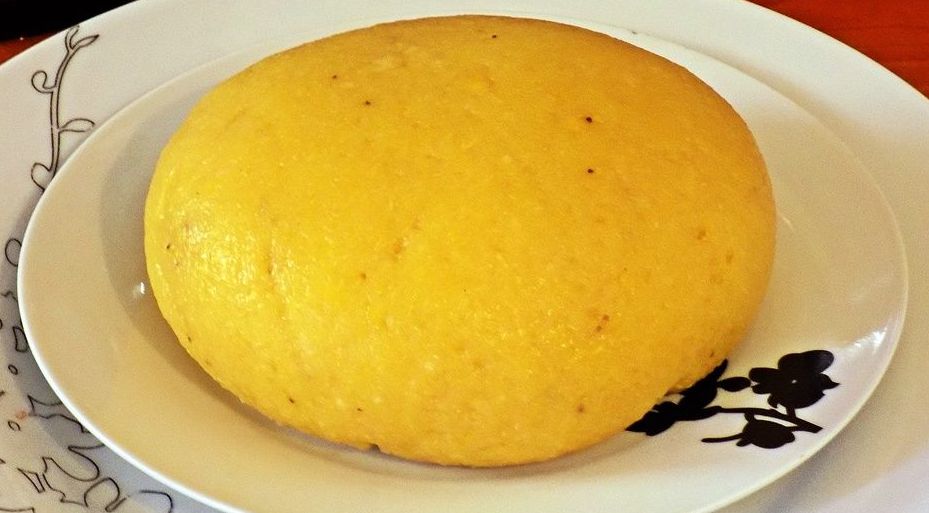
3 Swallows to Avoid in Africa for Long Life: Wheat, Processed Cassava Flour, and Semolina.
Disclosure: As an Amazon Associate, I earn from qualifying purchases.
Product: (50 Grams) 100% Pure Himalayan Shilajit RESIN, Shilajit for Men and Women, Supports Metabolism and Energy, Ultra High Potency 500 mg with 78.82% Fulvic Acid and 85+ Trace Minerals, Includes Certificate of Analysis, 100 days Supply
Prodyct Link: https://amzn.to/47mjOFv
THE ARTICLE.
In many African homes, swallows—foods like eba, fufu, semovita, and wheat-based meals—are staple diets eaten with soups and stews. While they provide quick energy and a sense of fullness, not all swallows are equally healthy for long-term well-being.
Modern research suggests that highly processed swallows such as wheat, processed cassava flour, semovita/semolina, and starch-based meals may contribute to chronic diseases when consumed excessively.
This article explores the demerits of these 3 popular swallows and why reducing their intake may help improve health and longevity in Africa.
1. Wheat-Based Swallows (Wheat Meal, Wheat Flour Products)
Demerits:
- High Glycemic Index: Raises blood sugar levels quickly, increasing diabetes risk.
- Gluten Content: Wheat contains gluten, which may trigger digestive issues like bloating, constipation, and in severe cases, celiac disease.
- Weight Gain: Refined wheat products are low in fiber, leading to overeating and obesity.
- Chronic Diseases: Regular intake has been linked to increased risk of type 2 diabetes and cardiovascular disease.
Reference: Harvard T.H. Chan School of Public Health – The Nutrition Source: Carbohydrates and Blood Sugar.
2. Processed Cassava Flour (Garri, Lafun, Fufu)
Cassava is a traditional African staple, but the modern processed versions (especially when heavily refined) pose health risks.
Demerits:
- Low Nutritional Value: Processing removes most of the fiber, protein, and micronutrients.
- High Starch Content: Rapidly converts into glucose, leading to blood sugar spikes.
- Cyanide Compounds: Poorly processed cassava may contain cyanogenic glycosides, which are toxic and harmful to the nervous system.
- Obesity Risk: Regular intake of cassava-based swallows without fiber leads to weight gain and belly fat.
Reference: Montagnac, J. A., Davis, C. R., & Tanumihardjo, S. A. (2009). Nutritional value of cassava for use as a staple food and recent advances for improvement. Comprehensive Reviews in Food Science and Food Safety.
3. Semovita / Semolina (Processed Wheat Starch)
Semovita and semolina are refined wheat products commonly used in Africa as swallows.
Demerits:
- Highly Processed: Contains mostly starch with little fiber, vitamins, or minerals.
- Blood Sugar Spike: Causes rapid glucose release into the bloodstream.
- Digestive Issues: Being low in fiber, it slows bowel movement and may cause constipation.
- Poor Satiety: Leads to frequent hunger and overeating, contributing to obesity.
Reference: Jenkins, D. J., et al. (2002). Glycemic index of foods and its physiological significance. American Journal of Clinical Nutrition.
4. Processed Starch (e.g., Starch swallow common in Nigeria’s Niger Delta)
Demerits:
- Almost Pure Carbohydrate: Provides energy but lacks fiber, protein, or essential nutrients.
- Blood Sugar Instability: Causes spikes and crashes in glucose levels.
- Metabolic Disorders: Long-term consumption contributes to insulin resistance, diabetes, and obesity.
Reference: American Diabetes Association. Carbohydrate Counting and Diabetes.
Healthier Alternatives to Consider
To live long and stay healthy, Africans can opt for more nutrient-dense swallows, such as:
- Plantain flour (rich in fiber, potassium, and vitamins)
- Unprocessed oat swallow (low GI and high in fiber)
- Cocoyam flour (rich in minerals and antioxidants)
- Millet or sorghum swallow (whole grains that support heart health)
- Ofada rice swallow (fiber-rich and minimally processed)
Conclusion
While wheat, processed cassava flour, semovita/semolina, and starch-based swallows are popular across Africa, their high starch content, low fiber, and poor nutritional value make them unhealthy when consumed frequently. They contribute to obesity, diabetes, digestive problems, and other chronic diseases.
Replacing these with whole, minimally processed alternatives can help Africans enjoy traditional meals while promoting longevity and better health.
References
- Montagnac, J. A., Davis, C. R., & Tanumihardjo, S. A. (2009). Nutritional value of cassava for use as a staple food and recent advances for improvement. Comprehensive Reviews in Food Science and Food Safety.
- Jenkins, D. J., et al. (2002). Glycemic index of foods and its physiological significance. American Journal of Clinical Nutrition.
- Harvard T.H. Chan School of Public Health. The Nutrition Source: Carbohydrates and Blood Sugar.
- American Diabetes Association. Carbohydrate Counting and Diabetes.
https://www.babacares.com/blog-details?details=876&title=3+Swallows+to+Avoid+in+Africa+for+Long+Life%3A+Wheat%2C+Processed+Cassava+Flour%2C+and+Semolina.











Comments