

Reversing Pre-Diabetes Naturally: Proven Lifestyle Changes for Healing.
Pre-diabetes means your blood sugar levels are higher than normal but not yet in the type 2 diabetes range. The good news? Pre-diabetes is often reversible with lifestyle changes and proper medical care. Healing here means not only preventing progression to diabetes but also bringing blood sugar back into a healthy range.
1. Nutrition (Dietary Adjustments)
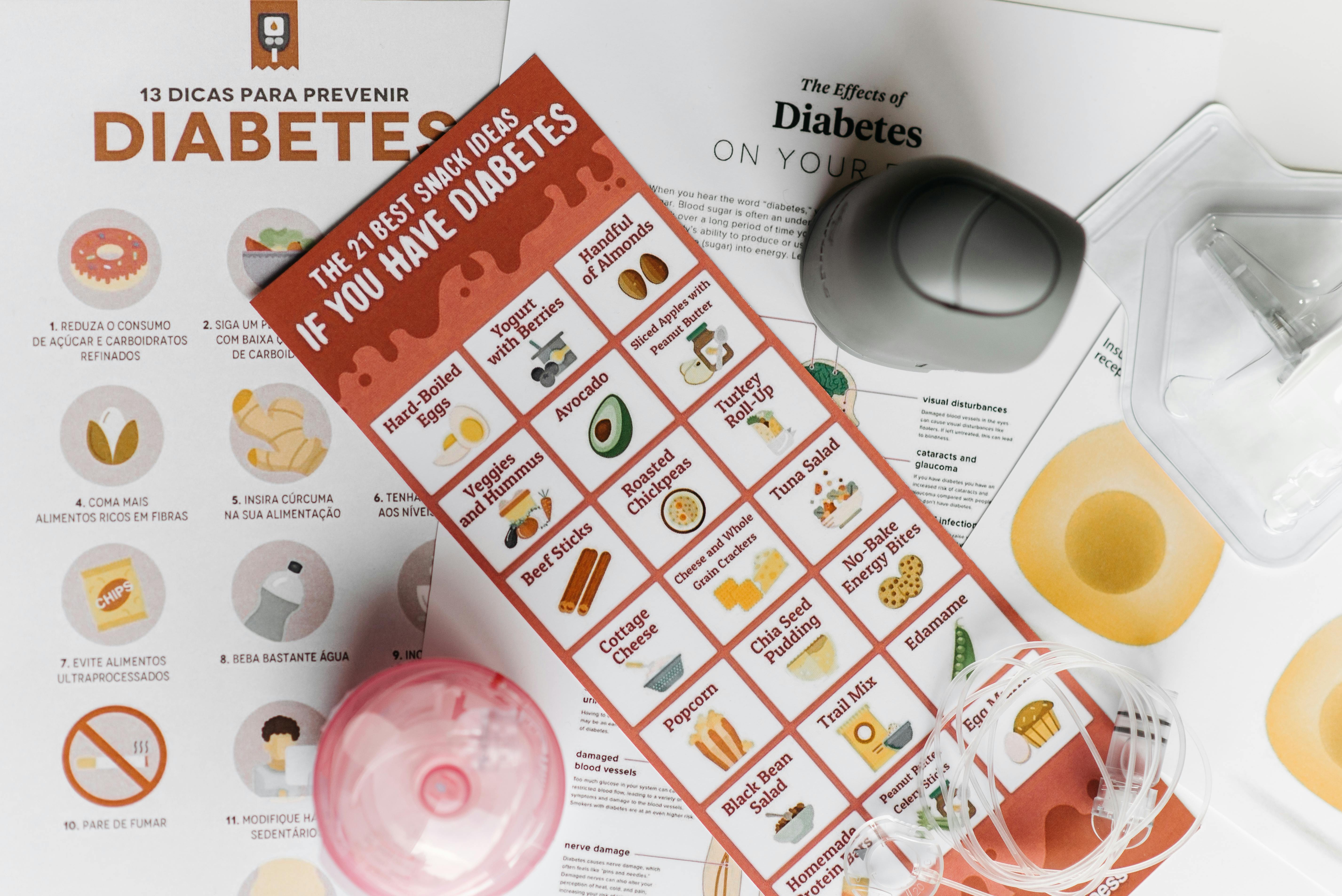
- Balanced meals: Prioritize vegetables, lean proteins, whole grains, and healthy fats (avocado, nuts, olive oil).
- Reduce refined carbs and sugars: Avoid white bread, pastries, soda, and processed snacks that spike blood sugar.
- High-fiber diet: Foods like beans, lentils, oats, vegetables, and fruits (in moderation) slow glucose absorption.
- Portion control: Eating smaller, balanced meals regularly helps reduce insulin resistance.
- Low glycemic index (GI) foods: Choose sweet potatoes, quinoa, and brown rice instead of white rice and refined grains.
2. Weight Management
Even a 5–10% weight loss can significantly improve blood sugar control and insulin sensitivity. The focus should be on sustainable lifestyle changes rather than quick-fix diets.
3. Regular Physical Activity
- Aerobic exercise: Brisk walking, swimming, or cycling (at least 150 minutes/week).
- Strength training: 2–3 times per week to build muscle, which helps the body use glucose more efficiently.
- Daily movement: Avoid prolonged sitting; short walks after meals can lower blood sugar spikes.
4. Stress Management
Chronic stress raises cortisol, which can increase blood sugar. Practices such as yoga, meditation, deep breathing, journaling, or prayer help regulate stress levels and improve insulin sensitivity.
5. Adequate Sleep
Poor sleep increases insulin resistance and appetite for sugary foods. Aim for 7–9 hours of quality sleep each night.
6. Hydration
- Drink plenty of water throughout the day.
- Avoid sugary drinks, fruit juices, and excessive alcohol.
7. Medical Monitoring & Support
- Schedule regular A1C and fasting glucose tests to track progress.
- Some individuals may need medications like metformin, prescribed by a doctor, if lifestyle changes are not enough.
- Work with a nutritionist, diabetes educator, or healthcare provider for personalized support.
8. Natural & Home-Based Supports (Adjuncts)
(Not a replacement for medical treatment, but supportive if safe and approved by your doctor.)
- Cinnamon: May help improve insulin sensitivity.
- Okra water: Traditional remedy, early studies suggest possible blood sugar benefits.
- Apple cider vinegar (diluted): Can help reduce post-meal blood sugar spikes.
- Green tea: Rich in antioxidants that support glucose metabolism.
Key Takeaway
Pre-diabetes is a warning sign, not a life sentence. With the right diet, exercise, weight management, stress reduction, and medical guidance, many people restore their blood sugar to normal and prevent type 2 diabetes.
References
- American Diabetes Association. Prevention or Delay of Type 2 Diabetes: Standards of Care in Diabetes—2025. Diabetes Care, 2025.
- Centers for Disease Control and Prevention (CDC). Prediabetes: Your Chance to Prevent Type 2 Diabetes. CDC.gov.
- Mayo Clinic. Prediabetes – Diagnosis and Treatment. MayoClinic.org.
- Harvard T.H. Chan School of Public Health. Simple Steps to Preventing Diabetes. HSPS.Harvard.edu.
https://www.babacares.com/blog-details?details=867&title=Reversing+Pre-Diabetes+Naturally%3A+Proven+Lifestyle+Changes+for+Healing.







Comments