

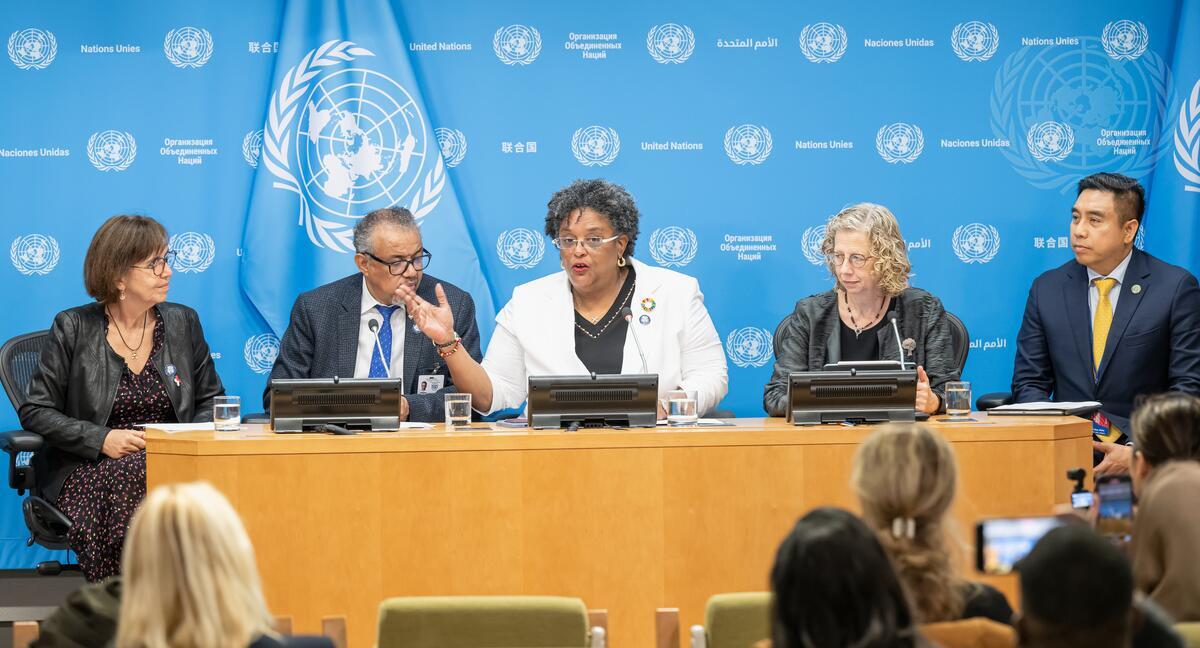
Curbing Antimicrobial Resistance: UN Member States Commit to 2030 Targets.
At the UN High-Level Meeting on Antimicrobial Resistance (AMR) in September 2024, global leaders reaffirmed their commitment to tackling one of the most pressing health challenges of the 21st century. Countries pledged to reduce AMR-related deaths by 10% by 2030, emphasizing stewardship, surveillance, and the development of new treatments.
Understanding Antimicrobial Resistance
Antimicrobial resistance occurs when bacteria, viruses, fungi, or parasites evolve to resist the effects of medications that once effectively treated infections. AMR is a growing threat to global health, food security, and economic stability, as it:
- Complicates treatment of common infections
- Increases mortality and morbidity
- Drives longer hospital stays and higher medical costs
Key Strategies to Combat AMR
The 2024 UN commitments focus on three main areas:
1. Antimicrobial Stewardship
Responsible use of antibiotics, antivirals, and antifungals is critical. Countries are promoting:
- Guidelines for prescription practices
- Public awareness campaigns on proper medication use
- Reduction of unnecessary antimicrobial use in agriculture and healthcare
2. Strengthened Surveillance
Effective monitoring of resistance patterns enables early intervention. Initiatives include:
- National and regional AMR surveillance systems
- Data-sharing platforms for tracking resistance trends globally
- Integration of laboratory networks to detect emerging threats
3. Promotion of New Treatments
Innovation is essential to outpace resistant pathogens. Efforts include:
- Incentivizing research and development of novel antibiotics and antivirals
- Supporting vaccines and alternative therapies
- Encouraging public-private partnerships to bring new treatments to market
Global Implications
Reducing AMR-related deaths by 10% by 2030 will require coordinated action across governments, healthcare systems, and communities. It also underscores the importance of:
- Equitable access to effective antimicrobials
- Strengthening healthcare infrastructure, especially in low- and middle-income countries
- Education and training for healthcare professionals on resistance management
Conclusion
The UN High-Level Meeting on AMR highlights a global commitment to preserving the effectiveness of life-saving medications. Through stewardship, surveillance, and innovation, countries aim to curb resistance, save lives, and protect public health for future generations.
References
- Wikipedia. Antimicrobial Resistance and Global Health Initiatives.
- World Health Summit. UN High-Level Meeting on AMR, 2024.
- World Health Organization (WHO). Antimicrobial Resistance Fact Sheet.
https://www.babacares.com/blog-details?details=860&title=Curbing+Antimicrobial+Resistance%3A+UN+Member+States+Commit+to+2030+Targets.%C2%A0







Comments