

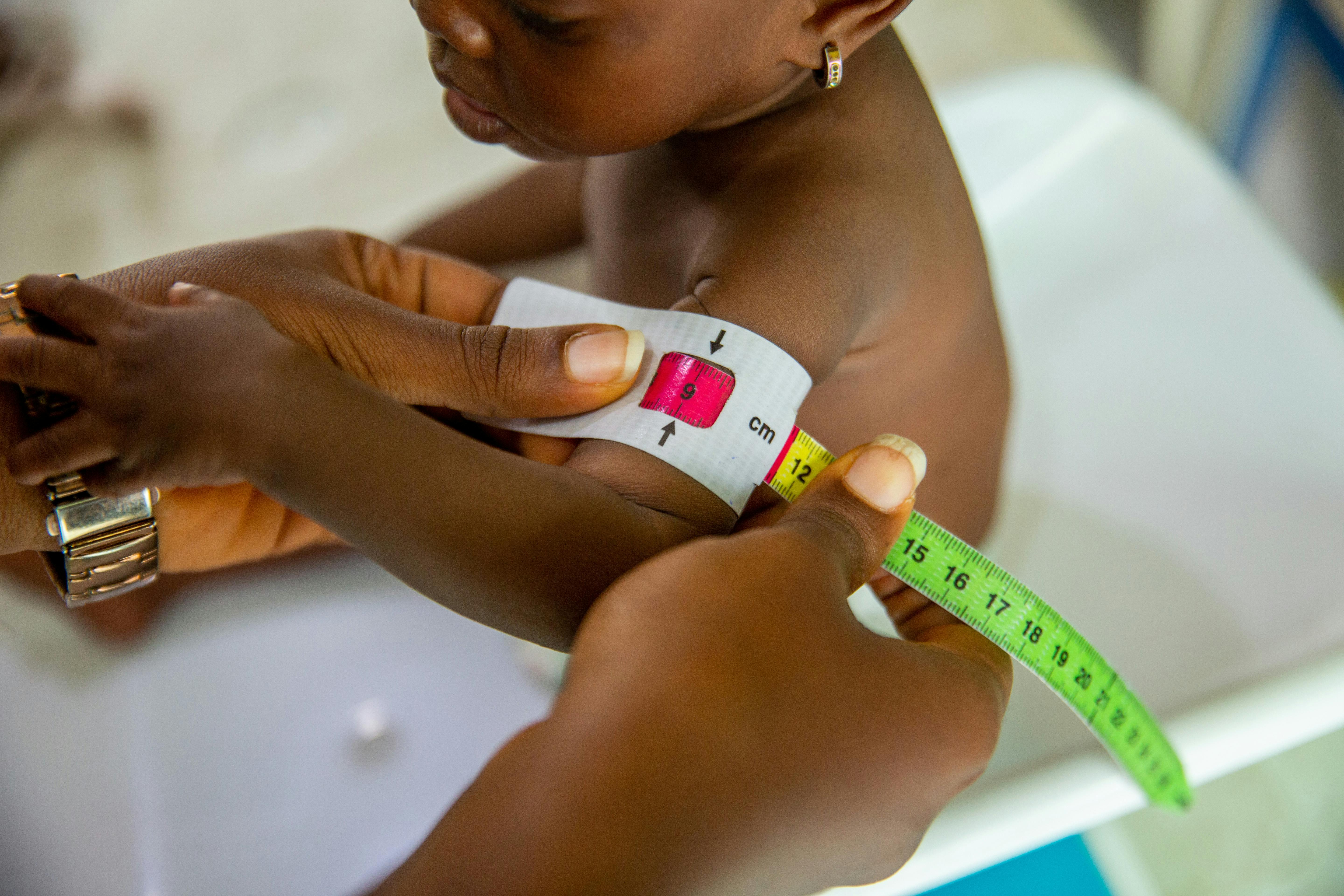
Tackling Malnutrition and Advancing Digital Health: WHO’s Global Commitments Through 2030.
“Disclosure: As an Amazon Associate, I earn from qualifying purchases.”
Product: Poverty, Disease, Disability and Malnutrition: Complete Environmental Review and Essay Paperback – Jan. 17 2018
Product Link:https://amzn.to/3IJlpx3
THE ARTICLE.
The World Health Organization (WHO) continues to lead global efforts in reducing malnutrition and expanding digital health initiatives, aiming for improved health outcomes worldwide. Member states recently recommitted to 2030 targets addressing child stunting, maternal anemia, and low birth weight, while also extending the Global Digital Health Strategy through 2027 to ensure equitable, digitized care.
Addressing Malnutrition
Malnutrition remains a major challenge, particularly in low- and middle-income countries. The WHO’s renewed commitment focuses on:
- Reducing child stunting by promoting nutrient-dense and diversified diets
- Combating maternal anemia through iron supplementation and diet improvements
- Preventing low birth weight via prenatal care, maternal nutrition, and breastfeeding support
Evidence shows that diversified diets rich in fruits, vegetables, legumes, and fortified foods, alongside exclusive breastfeeding in the first six months, can significantly improve child growth and maternal health outcomes.
Advancing Digital Health
The Global Digital Health Strategy, now extended to 2027, aims to:
- Digitize health systems to improve efficiency and access
- Promote equitable delivery of care, particularly in remote and underserved regions
- Support data-driven decision-making for monitoring and evaluating health interventions
By integrating digital tools, member states can better track nutrition programs, manage healthcare resources, and provide personalized, timely care to populations at risk.
Synergy Between Nutrition and Digital Health
Combining nutrition interventions with digital health solutions creates opportunities for:
- Real-time monitoring of child growth and maternal health indicators
- Targeted nutrition education and counseling through mobile platforms
- Improved coordination of supplementation programs and health campaigns
This approach enhances the effectiveness, reach, and sustainability of global nutrition strategies.
Conclusion
The WHO’s dual focus on tackling malnutrition and advancing digital health represents a comprehensive strategy for better health outcomes by 2030. By promoting diversified diets, breastfeeding, and equitable access to digitized healthcare, countries can reduce stunting, maternal anemia, and low birth weight while building resilient, technology-enabled health systems.
References
- World Health Organization (WHO). Global Nutrition Targets 2030: Recommitment by Member States.
- WHO. Global Digital Health Strategy 2027.
- Black, R. E., et al. (2013). Maternal and Child Undernutrition and Overnutrition in Low- and Middle-Income Countries. The Lancet, 382(9890), 427–451.
- UNICEF. The Importance of Exclusive Breastfeeding for Child Growth and Development.
https://www.babacares.com/blog-details?details=858&title=Tackling+Malnutrition+and+Advancing+Digital+Health%3A+WHO%E2%80%99s+Global+Commitments+Through+2030.%C2%A0








Comments