


Interval Walking vs. 10,000 Steps: A Smarter Approach to Cardiovascular Fitness.
“Disclosure: As an Amazon Associate, I earn from qualifying purchases.”
Product: FrenzyBird 2 in 1 - Foot Exercise Truck - Foldable Portable feet, Hand, arm, Leg Fitness Pedal - Very Suitable for Older People, Elderly, Disabled or Office(Black
Product Link: https://amzn.to/477mdnk
THE ARTICLE.
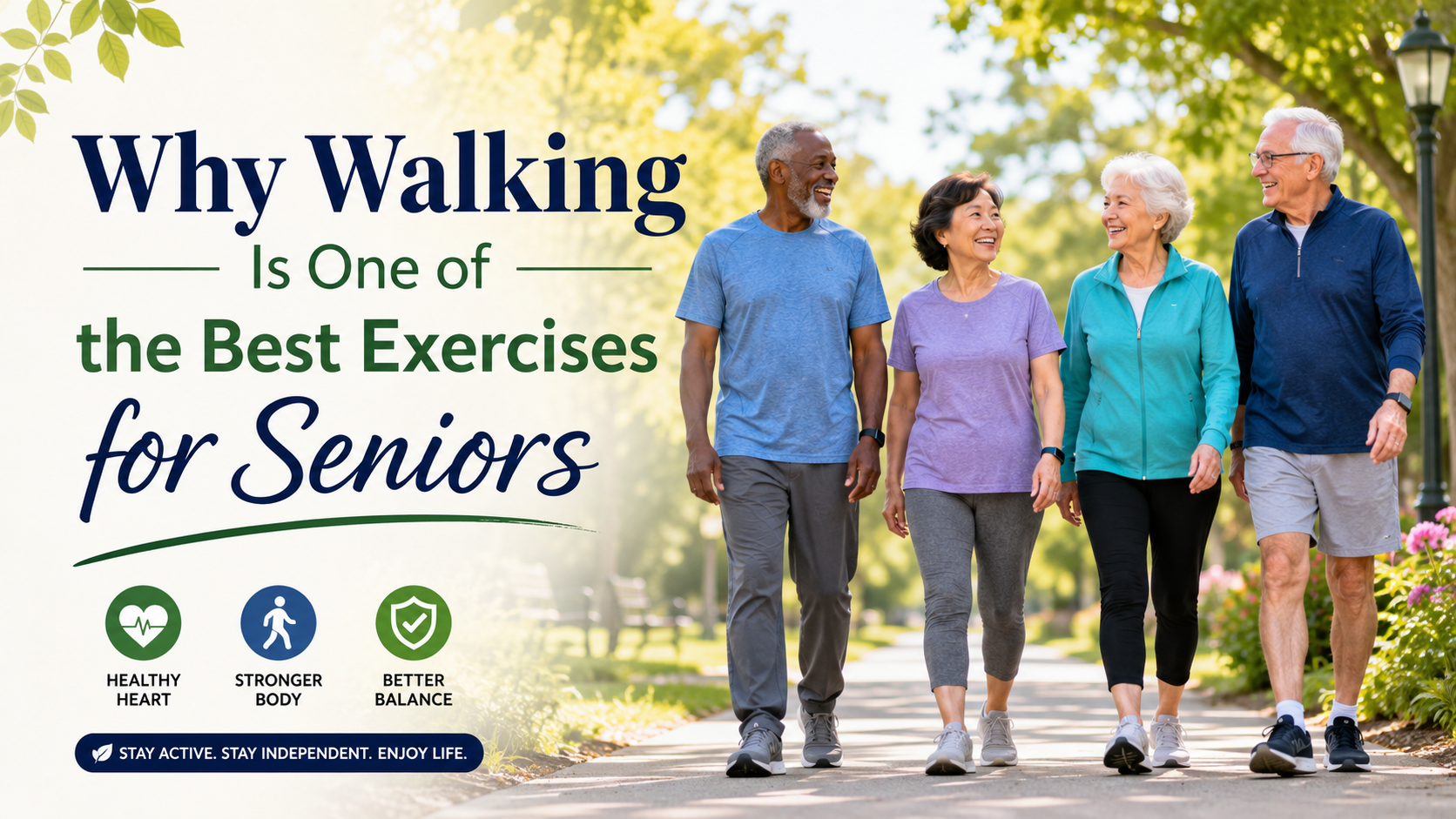
For years, the 10,000-steps-per-day goal has been the standard recommendation for daily activity. However, Japanese-style interval walking—alternating between fast and slow walking intervals—may offer more efficient and effective health benefits, according to Harvard experts (The Economic Times).
What Is Interval Walking?
Interval walking involves:
- Short bursts of fast walking (moderate-to-vigorous intensity)
- Alternating with slower-paced recovery periods
- Typically performed over a 30-minute session, making it time-efficient
This approach differs from conventional walking, where the goal is simply to accumulate steps at a consistent pace.
Benefits Compared to 10,000 Steps
Research and expert insights suggest that interval walking can:
- Enhance cardiovascular fitness more rapidly than steady-state walking
- Improve muscular strength and endurance, particularly in the lower body
- Boost metabolic function and calorie expenditure in a shorter timeframe
- Complement balanced nutrition, strength training, and mindfulness practices, for holistic wellness
While achieving 10,000 steps is beneficial, interval walking emphasizes intensity and quality of movement, not just quantity.
How to Practice Interval Walking
- Warm up with 5 minutes of slow walking
- Alternate 1–2 minutes of fast walking with 2 minutes of slow walking
- Repeat for 20–25 minutes, finishing with a cool-down walk
- Pair sessions with strength exercises or mindfulness techniques to enhance overall health benefits
Conclusion
Interval walking offers a time-efficient, high-impact alternative to the traditional 10,000-step goal. By incorporating bursts of intensity into walking routines, individuals can achieve greater cardiovascular fitness, endurance, and metabolic health in less time, especially when combined with nutrition and holistic wellness practices.
References
- The Economic Times. Interval Walking: A Smarter Approach to Cardiovascular Health.
- Harvard T.H. Chan School of Public Health. Walking and Physical Activity Guidelines.
- Sugiyama, T., et al. (2019). Effects of Interval Walking on Cardiovascular Fitness in Adults. Journal of Physical Activity and Health, 16(8), 677–685.
- U.S. Centers for Disease Control and Prevention (CDC). Benefits of Physical Activity for Adults.
https://www.babacares.com/blog-details?details=857&title=Interval+Walking+vs.+10%2C000+Steps%3A+A+Smarter+Approach+to+Cardiovascular+Fitness.







Comments