

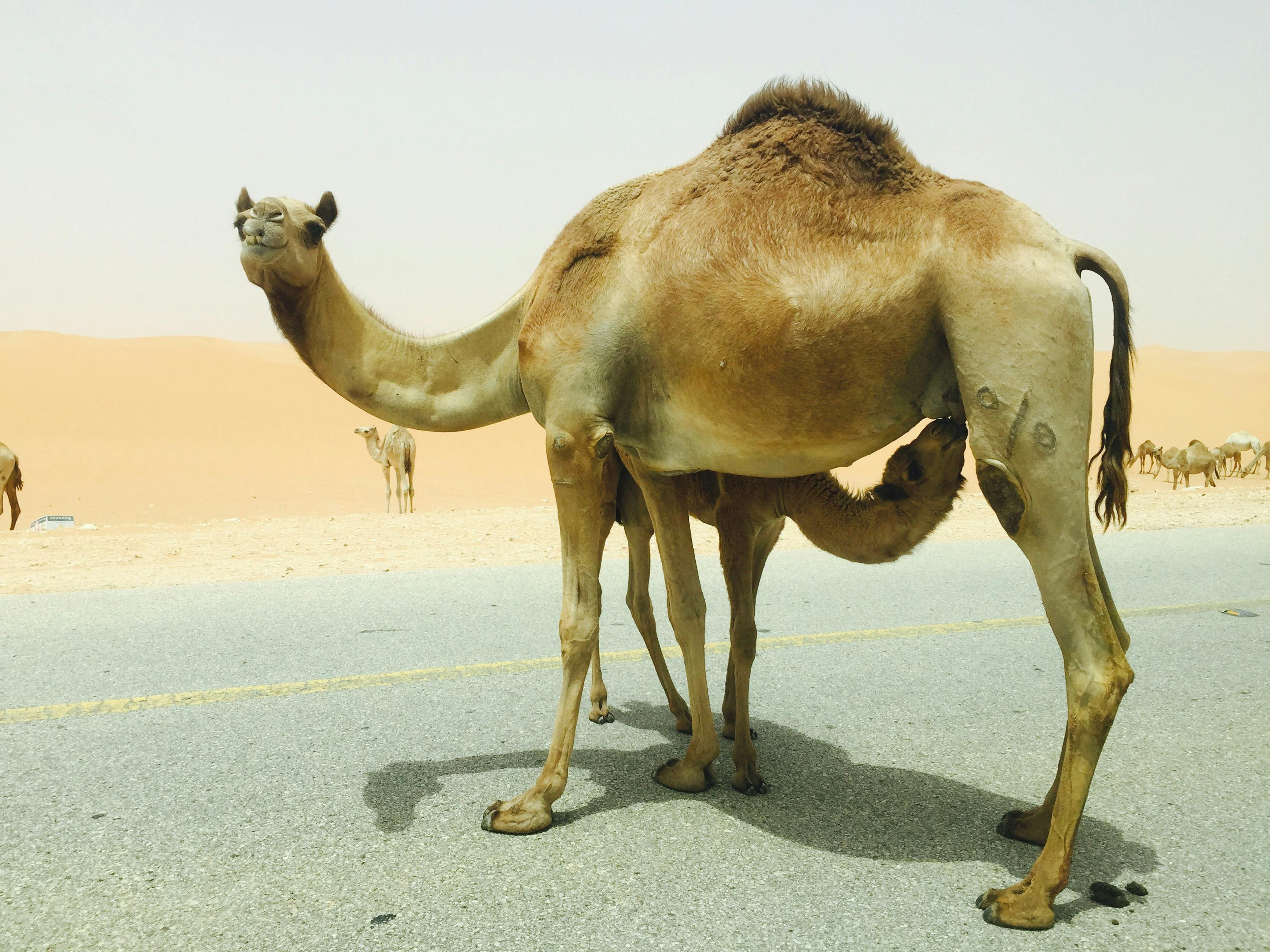
Somalia’s Camel Milk Revolution: Tradition Meets Modern Nutrition.
Disclosure: As an Amazon Associate, I earn from qualifying purchases.”
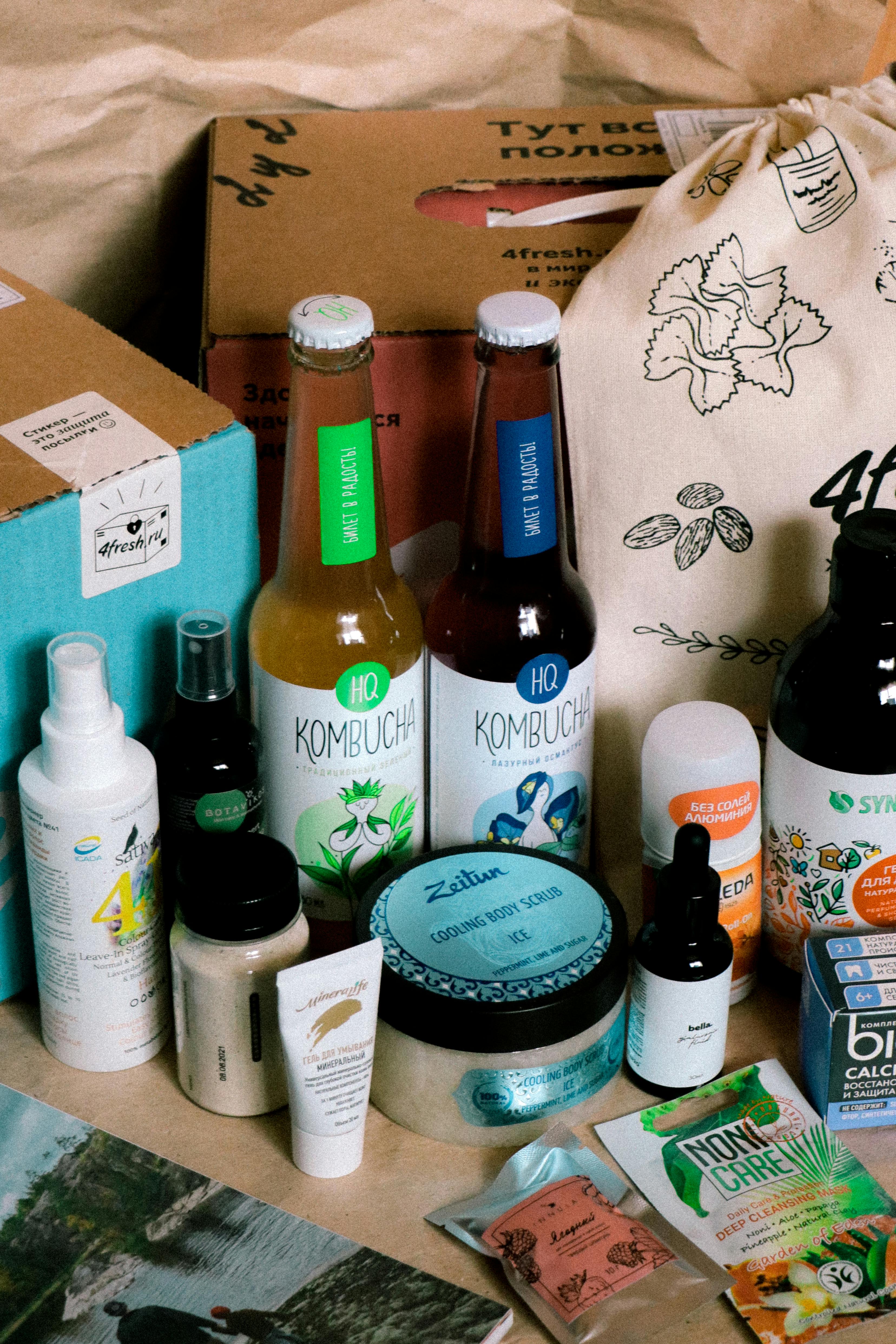
Product : Pack of 4 Camel Milk Cold Pressed Handmade Soap (4 x 100 Grams) Made With Premium Essential Oils - Savon Au Lait De Chameau Fait A La Main (4x100g) - NO ADDED FRAGRANCES OR CHEMICALS
Product Link: https://amzn.to/47naOB5
THE ARTICLE.
In Somalia, a camel milk revolution is underway, combining traditional practices with modern innovation to boost nutrition, create jobs, and celebrate cultural heritage. Camel milk has long been a staple in Somali diets, but new developments are transforming it into a modern health product.
Beder Camel Farm Leads the Way
Located near Mogadishu, Beder Camel Farm is at the forefront of this transformation:
- Improved veterinary care and feed practices have doubled milk yields.
- The farm has launched Somalia’s first camel-milk yogurt, catering to growing consumer demand for nutritious and probiotic-rich foods.
- Products are naturally suitable for lactose-intolerant consumers, expanding accessibility.
Nutritional Benefits of Camel Milk
Camel milk is increasingly recognized for its health benefits:
- Rich in vitamins and minerals, including vitamin C, calcium, and iron.
- Contains probiotics, which support gut health.
- Lower in lactose than cow’s milk, making it easier to digest for those with lactose intolerance.
These properties make camel milk a functional food that supports immune health, digestion, and overall wellness.
Economic and Cultural Impact
The modernization of camel milk is not just a health story—it also stimulates economic growth:
- Job creation in farming, processing, and distribution.
- Promotion of local entrepreneurship through value-added products like yogurt and cheese.
- Preservation and celebration of Somalia’s cultural heritage, where camels are central to pastoral life.
Global Potential
Somalia’s camel milk innovations could inspire global interest in camel dairy products, especially among consumers seeking nutrient-rich, lactose-friendly alternatives. With proper branding and export strategies, camel milk could become a premium health product on international markets.
Conclusion
Somalia’s camel milk revolution demonstrates how traditional foods can be modernized to improve nutrition, generate economic opportunities, and preserve cultural identity. Farms like Beder Camel Farm show that innovation rooted in heritage can benefit both local communities and global consumers.
References
- AP News. Somalia’s Camel Milk Revolution: Tradition Meets Modern Nutrition.
- Farah, Z., et al. (2004). Composition and Nutritional Value of Camel Milk. Journal of Food Composition and Analysis, 17(2), 107–124.
- Konuspayeva, G., et al. (2009). Nutritional and Therapeutic Properties of Camel Milk. International Dairy Journal, 19(8), 607–618.
- FAO. Camel Milk: A Sustainable Resource for Pastoral Communities.
https://www.babacares.com/blog-details?details=853&title=Somalia%E2%80%99s+Camel+Milk+Revolution%3A+Tradition+Meets+Modern+Nutrition.





Comments