

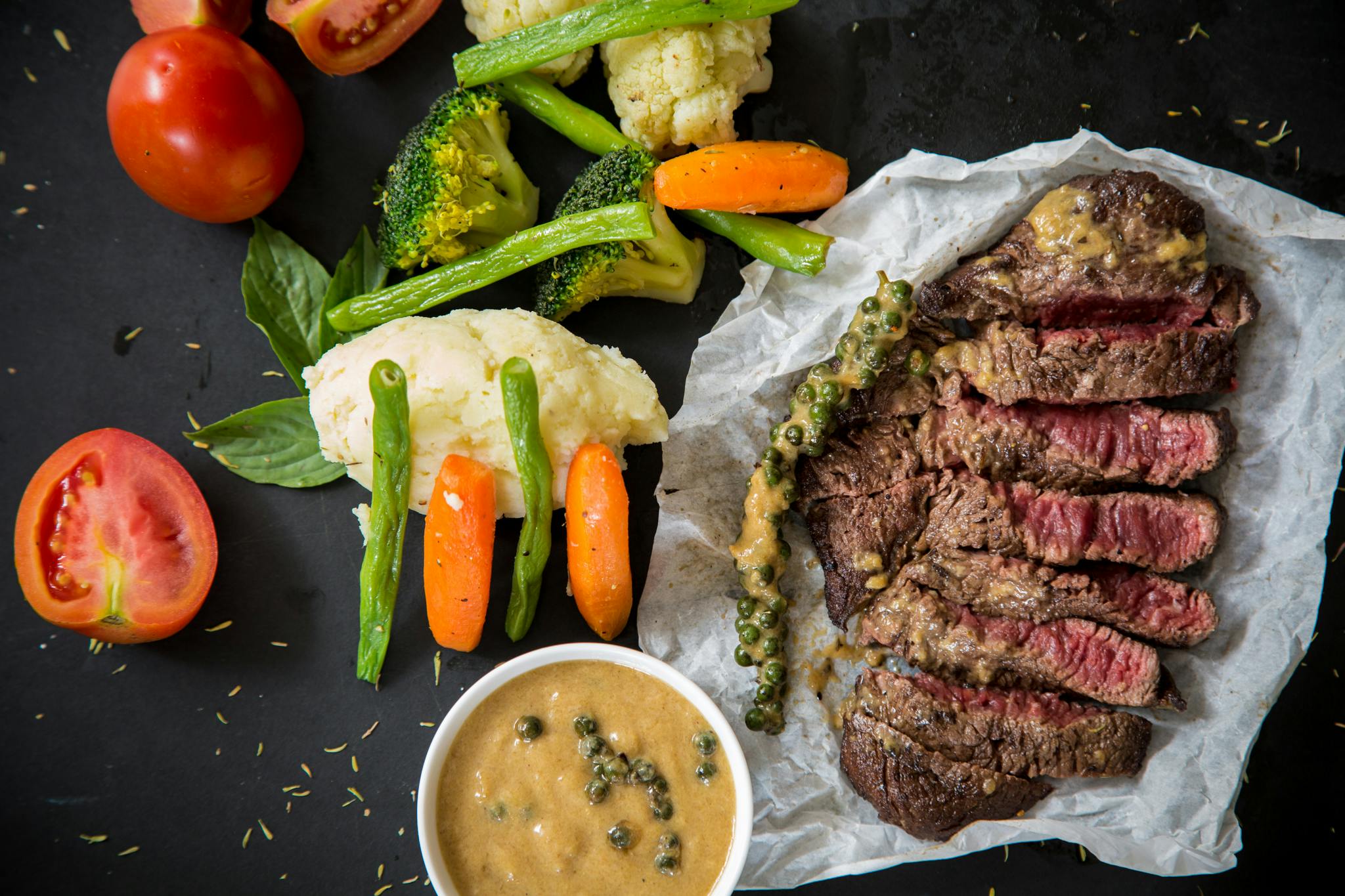
Protein Obsession Under Scrutiny: Balancing Nutrition, Mental Health, and Media Hype.
Disclosure: “Disclosure: As an Amazon Associate, I earn from qualifying purchases.”
Product: LEANFIT ORGANIC PLANT-BASED PROTEIN, Natural Vanilla - Vegan, Soy Free, Gluten Free, Dairy Free, Sugar Free - 21g Protein, 21 Servings, 715g Tub
Product Link: https://amzn.to/3WfhxXL
The Article.
In recent years, protein has become the star nutrient in the global health and fitness conversation. From protein shakes and bars to fortified cereals and even protein-enhanced snacks, the food industry has capitalized on consumer demand. Social media influencers and marketing campaigns have further amplified the idea that more protein equals better health.
But as the media spotlight turns protein into a cultural obsession, experts are raising concerns about the risks of overemphasis—warning that it could distort eating habits and undermine mental well-being.
The Rise of Protein Hype
Driven by influencers, athletes, and commercial interests, protein has been marketed as the essential nutrient for weight loss, muscle growth, and energy. Supermarket shelves now overflow with products boasting “high protein” labels, reflecting consumer fascination.
The New York Post and Daily Telegraph report that this trend has expanded beyond fitness enthusiasts into mainstream culture, where everyday eaters feel pressure to maximize protein at every meal.
Potential Risks of Protein Obsession
While protein is essential, nutrition experts caution against excessive intake or reliance on supplementation at the expense of dietary balance. Risks include:
- Disordered eating patterns: Over-prioritizing protein may encourage restrictive or obsessive behaviors.
- Neglect of other nutrients: An unbalanced diet can lack fiber, vitamins, and phytonutrients from plant-based foods.
- Digestive stress: High protein intakes—especially from supplements—can cause bloating, kidney strain in vulnerable individuals, and poor gut health.
Expert Recommendations
Current research suggests most people need 1.2–1.6 grams of protein per kilogram of body weight per day to support muscle maintenance, satiety, and general health (Phillips & Van Loon, 2011). This is higher than the basic minimum requirement but well below the levels promoted in some online “protein-maxxing” circles.
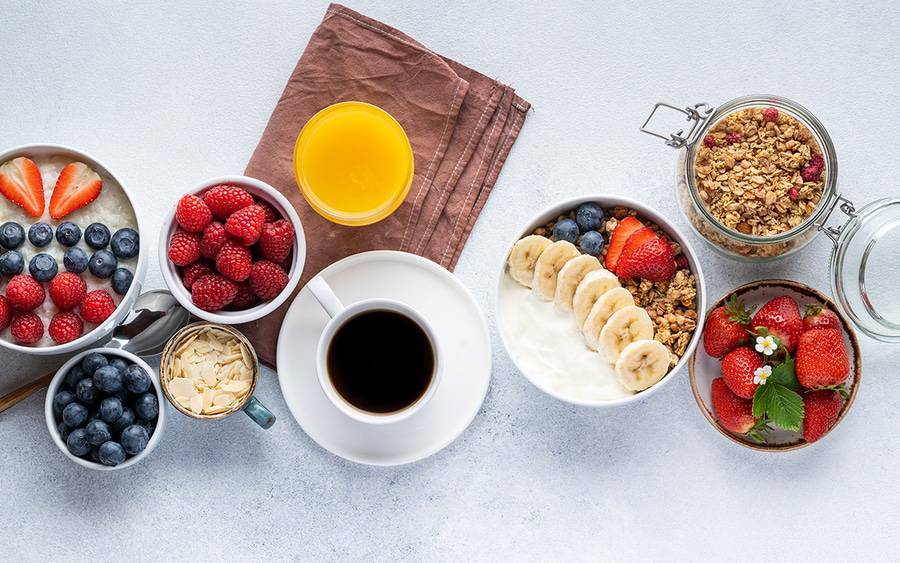
Importantly, experts stress that food should not only be about nutrition but also about pleasure, variety, and mental well-being. A healthy diet includes a mix of carbohydrates, fats, proteins, fiber, and micronutrients.
Striking a Healthy Balance
- Prioritize whole food protein sources such as beans, lentils, eggs, fish, poultry, nuts, and dairy.
- Avoid fixating on protein numbers—aim for a balanced plate.
- Focus on mindful eating, where enjoyment and nourishment go hand in hand.
Conclusion
The protein obsession reflects a cultural shift in how people view food and health. While moderate protein intake is important, excessive focus risks disordered eating and nutritional imbalance. As experts remind us, the goal should be balanced nutrition, food enjoyment, and overall well-being—not chasing a single nutrient trend.
References
- New York Post. Protein Obsession Under Scrutiny.
- Daily Telegraph. The Rise of Protein Culture and Its Risks.
- Phillips, S. M., & Van Loon, L. J. (2011). Dietary Protein for Athletes: From Requirements to Optimum Adaptation. Journal of Sports Sciences, 29(sup1), S29–S38.
- U.S. Department of Agriculture (USDA). Dietary Guidelines for Americans 2020–2025.
https://www.babacares.com/blog-details?details=847&title=Protein+Obsession+Under+Scrutiny%3A+Balancing+Nutrition%2C+Mental+Health%2C+and+Media+Hype.










Comments