

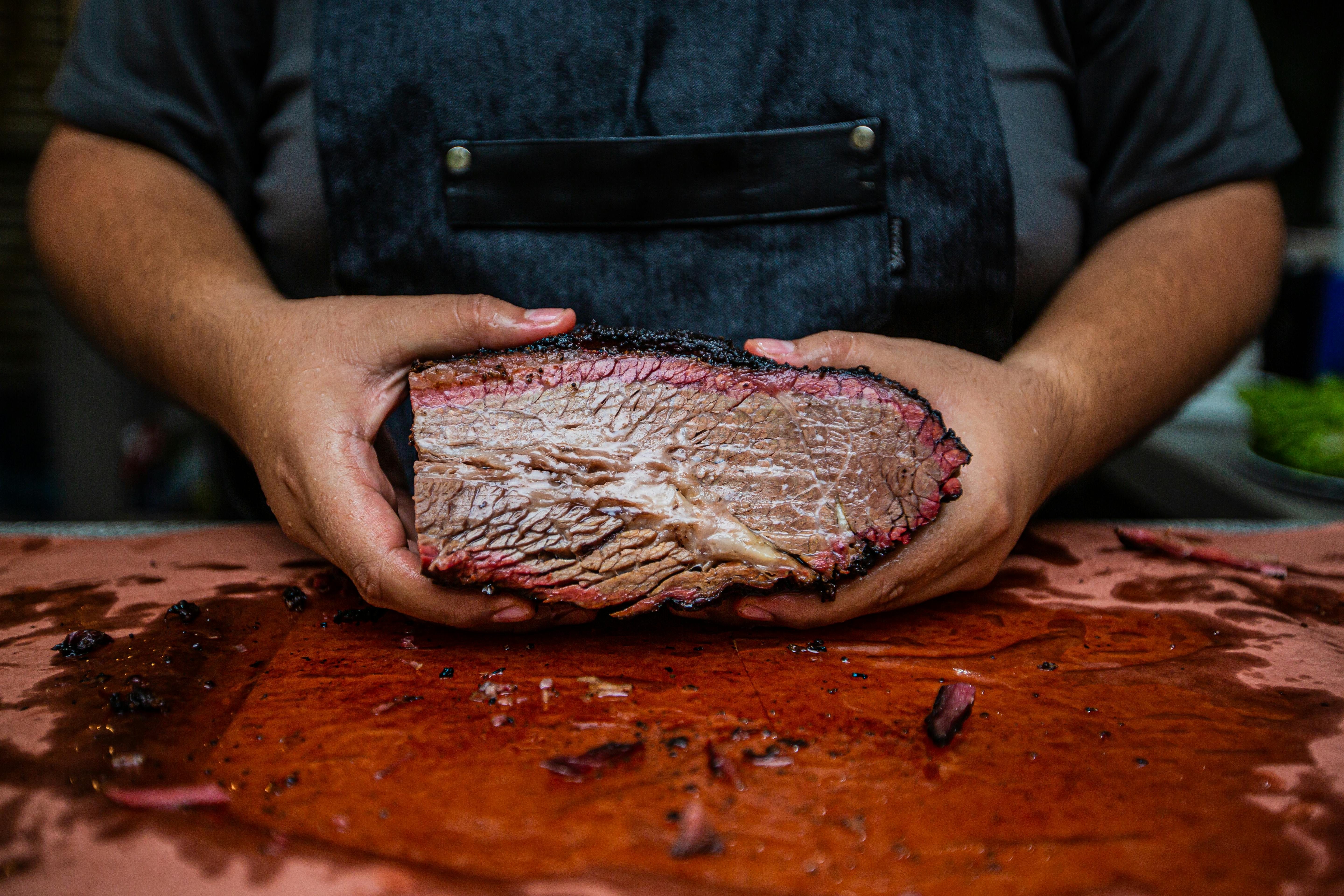
The Carnivore Diet: Social Media Hype vs. Health Risks Explained.
Disclosure: “Disclosure: As an Amazon Associate, I earn from qualifying purchases.”
Product: The Carnivore Diet for Beginners: Recipes and Meal Plans for Weight Loss, Health, and Healing Paperback – Nov. 2 2021
Product Link: https://amzn.to/4o1TQxC
The Article.
The carnivore diet—an extreme eating plan consisting only of meat, eggs, and animal fats—has gained explosive popularity on social media platforms like TikTok, Instagram, and YouTube. Influencers promote it as a way to boost energy, lose weight, and reduce inflammation. But while its viral appeal is undeniable, health experts warn that this diet poses serious long-term risks.
What Is the Carnivore Diet?
The carnivore diet is essentially a zero-carbohydrate plan that eliminates all plant-based foods, including fruits, vegetables, legumes, and grains. Advocates claim it can help with weight loss, autoimmune issues, and mental clarity.
However, scientific evidence supporting these claims is limited, while research on the dangers of excluding plant-based foods is well established.
Health Risks of the Carnivore Diet
Experts caution that this meat-only approach can lead to multiple health concerns:
- High saturated fat intake: Excessive consumption of red and processed meats can raise LDL (“bad”) cholesterol, a risk factor for heart disease.
- Lack of dietary fiber: Without plant foods, the gut microbiome suffers, leading to constipation, poor digestion, and increased risk of colorectal cancer.
- Nutrient deficiencies: The absence of fruits and vegetables deprives the body of antioxidants, vitamins (such as vitamin C), and phytonutrients that protect against chronic disease.
- Increased chronic disease risk: Long-term reliance on animal fats and red meat has been associated with higher risks of cardiovascular disease, diabetes, and certain cancers.
Why the Buzz?
Social media plays a key role in fueling the trend. Influencers share dramatic before-and-after weight loss stories or claim mental health improvements. This anecdotal evidence is appealing but does not replace clinical research.
Evidence-Backed Alternatives
In contrast to fad diets, nutrition experts continue to recommend balanced dietary patterns with robust scientific backing:
- Mediterranean Diet: Emphasizes vegetables, fruits, whole grains, olive oil, nuts, and fish. Extensively studied for reducing risks of heart disease, stroke, and cognitive decline.
- DASH Diet: Proven to lower blood pressure and improve cardiovascular health by focusing on whole foods, lean proteins, and low sodium.
- MIND Diet: A hybrid of DASH and Mediterranean diets designed to support brain health and reduce Alzheimer’s risk.
Conclusion
The carnivore diet’s social media buzz highlights growing public interest in nutrition and health optimization. But experts agree: while it may bring short-term results, the long-term risks outweigh the benefits. Diets like the Mediterranean, DASH, and MIND diets remain the gold standard for sustainable health and disease prevention.
References
- The Guardian. The Carnivore Diet: Social Media Buzz vs. Health Risks.
- Harvard T.H. Chan School of Public Health. Red Meat and Health.
- U.S. National Library of Medicine. Dietary Fiber and Health Outcomes.
- Estruch, R., et al. (2013). Primary Prevention of Cardiovascular Disease with a Mediterranean Diet. New England Journal of Medicine, 368(14), 1279–1290.
https://www.babacares.com/blog-details?details=846&title=The+Carnivore+Diet%3A+Social+Media+Hype+vs.+Health+Risks+Explained.%C2%A0








Comments