

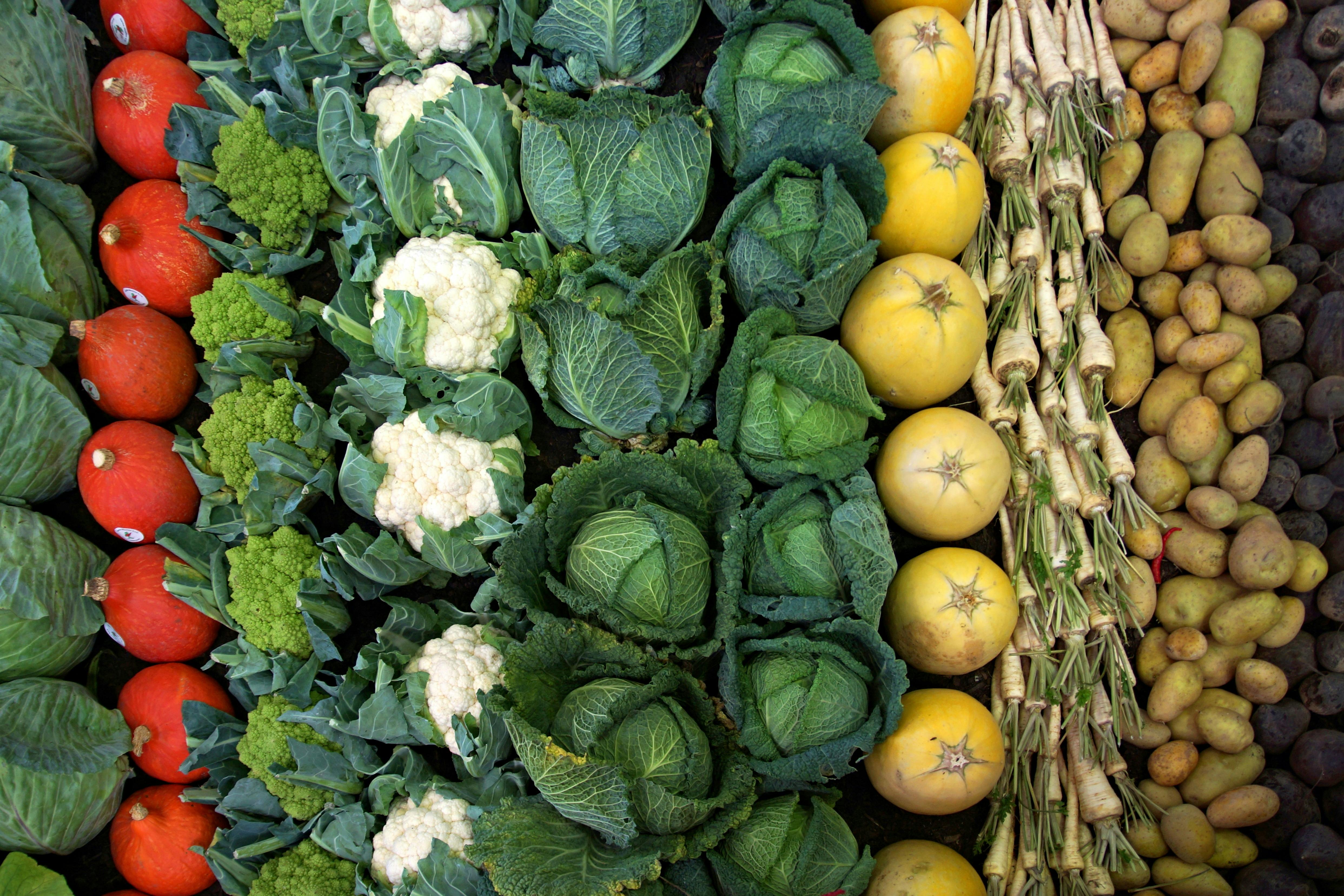
The Rise and Risks of “Fibermaxxing”: Why Moderation Matters in the High-Fiber Trend.
Disclosure: “Disclosure: As an Amazon Associate, I earn from qualifying purchases.”
Product: Metamucil Daily Fibre + Collagen Peptides, Psyllium Husk Powder, Plant Based Sugar-Free with Stevia, Orange Flavoured, 60 Servings (564 g)
Product Link: https://amzn.to/46XwBhg
The Article.
A new social media trend called “fibermaxxing” is rapidly gaining traction, particularly on platforms like TikTok. The concept revolves around dramatically increasing fiber intake—often through supplements—in pursuit of better digestion, weight management, and overall wellness. While nutrition experts acknowledge the benefits of fiber, they caution that overdoing it can lead to unintended health issues.
What Is Fibermaxxing?
“Fibermaxxing” refers to the practice of consuming large amounts of dietary fiber, sometimes far beyond the recommended daily allowance, usually with the help of fiber powders, gummies, or fortified snacks.
The trend has fueled rapid market growth: Axios reported that in one U.S. region near Pittsburgh, fiber supplement sales rose by 11% in a short span.
Why Fiber Is Important
Fiber is essential for:
- Digestive health: Promotes regular bowel movements and supports gut microbiome balance.
- Heart health: Helps lower cholesterol and reduce cardiovascular risks.
- Blood sugar control: Slows glucose absorption, supporting diabetes prevention and management.
- Satiety and weight control: High-fiber foods help reduce hunger and overeating.
Health authorities recommend about 25–30 grams of fiber per day for adults.
The Risks of Overdoing It
While fiber has undeniable benefits, nutritionists warn that “fibermaxxing” can have negative consequences if not approached carefully:
- Bloating and gas from rapid increases in fiber.
- Constipation or diarrhea if fiber is consumed without sufficient hydration.
- Nutrient malabsorption, as excess fiber may interfere with the absorption of minerals like iron, zinc, and calcium.
Expert Recommendations
Nutrition experts emphasize a balanced approach:
- Increase gradually: Slowly raise fiber intake to allow the digestive system to adjust.
- Stay hydrated: Drink enough water to help fiber move smoothly through the digestive tract.
- Balance types of fiber: Include both soluble fiber (oats, beans, apples) and insoluble fiber (whole grains, vegetables, nuts).
- Prioritize whole foods over supplements whenever possible.
Conclusion
The rise of fibermaxxing reflects a growing awareness of the importance of fiber in modern diets—a positive shift given that most Americans fall short of recommended intake. However, like many health trends, excess can be harmful. A sustainable approach is to gradually increase fiber from whole foods, stay hydrated, and avoid relying solely on supplements.
References
- Axios. The Rise of “Fibermaxxing” and What Nutritionists Say.
- Anderson, J. W., et al. (2009). Health Benefits of Dietary Fiber. Nutrition Reviews, 67(4), 188–205.
- Slavin, J. L. (2013). Fiber and Prebiotics: Mechanisms and Health Benefits. Nutrients, 5(4), 1417–1435.
- U.S. Department of Agriculture (USDA). Dietary Guidelines for Americans 2020–2025.
https://www.babacares.com/blog-details?details=845&title=The+Rise+and+Risks+of+%E2%80%9CFibermaxxing%E2%80%9D%3A+Why+Moderation+Matters+in+the+High-Fiber+Trend.%C2%A0








Comments