

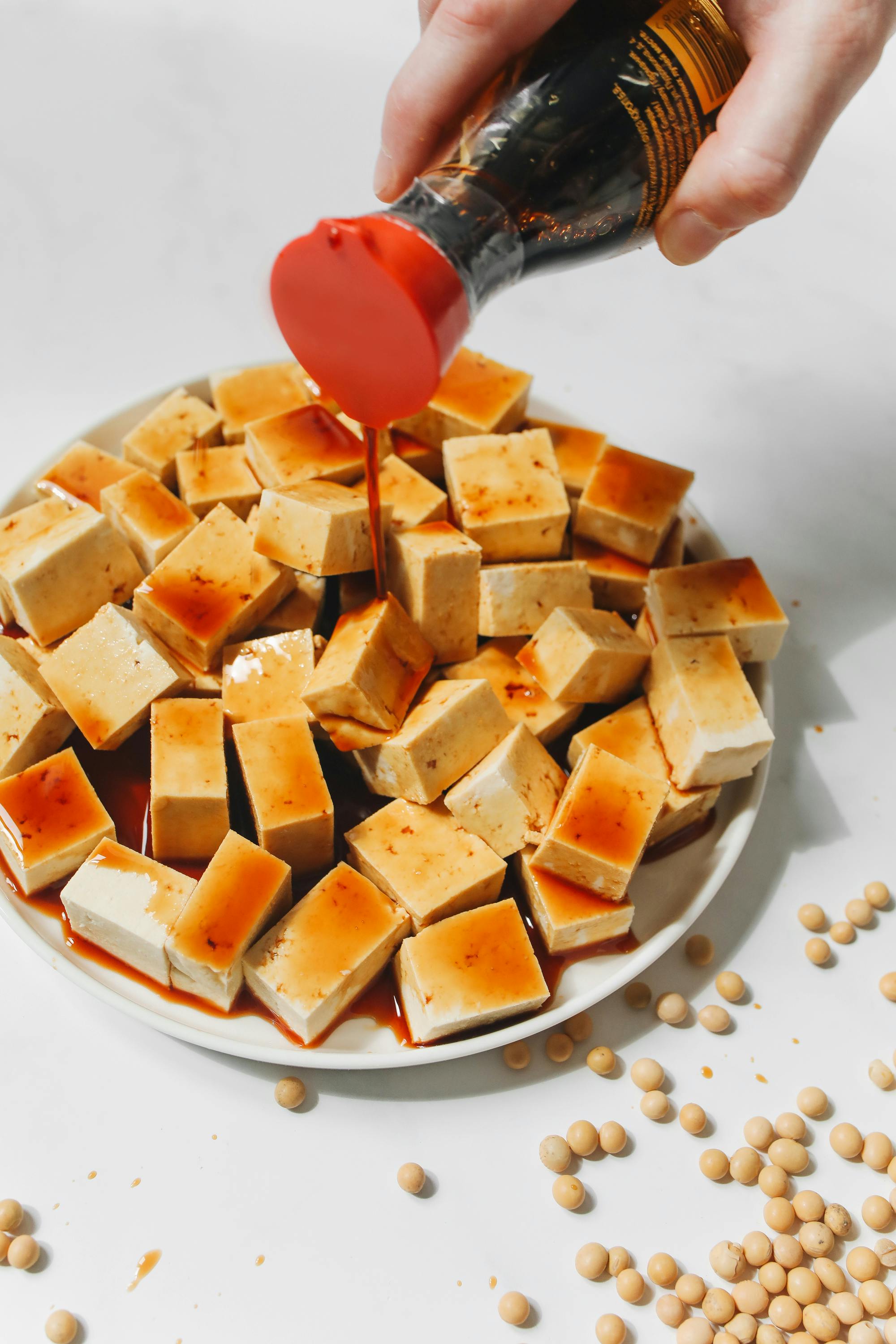
Incorporating Plant-Based Protein Sources: The Benefits of Tofu and Soy Milk for a Healthier Diet.
“Disclosure: As an Amazon Associate, I earn from qualifying purchases.”
Product: LEANFIT ORGANIC PLANT-BASED PROTEIN, Natural Vanilla - Vegan, Soy Free, Gluten Free, Dairy Free, Sugar Free - 21g Protein, 21 Servings, 715g Tub
Product Link: https://amzn.to/4mUEev3
The Article.
Protein is one of the most essential nutrients for building muscles, repairing tissues, and supporting overall health. While animal-based proteins are common, there is growing interest in plant-based protein sources due to their health, environmental, and ethical advantages. Two of the most versatile and nutrient-rich options are tofu and soy milk.
Why Plant-Based Protein Matters
Plant-based proteins provide the body with essential amino acids while often being lower in saturated fat and cholesterol compared to animal proteins. Increasing research also shows that diets rich in plant proteins are linked to a lower risk of heart disease, type 2 diabetes, and obesity.
Tofu: A Versatile Protein Powerhouse
Made from coagulated soy milk, tofu is a nutrient-dense food packed with protein, calcium, and iron. It offers:
- High-quality protein suitable for muscle repair and growth.
- Isoflavones (plant compounds) that may help reduce the risk of heart disease.
- Culinary versatility—it can be stir-fried, grilled, baked, or blended into smoothies.
Soy Milk: A Dairy-Free Alternative
Soy milk, produced by soaking and grinding soybeans, is a popular alternative to dairy milk. It is often fortified with calcium and vitamin D, making it nutritionally comparable to cow’s milk. Benefits include:
- Lactose-free option for those with dairy intolerance.
- Lower cholesterol levels compared to dairy milk consumption.
- Rich in protein, offering about 7–8 grams per cup.
Health Benefits of Soy-Based Proteins
Research has consistently highlighted the positive health outcomes of soy consumption:
- Heart health: Soy protein helps lower LDL (“bad”) cholesterol (Anderson et al., 1995).
- Bone health: Isoflavones in soy may improve bone density.
- Cancer protection: Regular soy intake is associated with reduced risk of certain cancers, particularly breast and prostate cancer (Messina, 2016).
Practical Tips to Incorporate Tofu and Soy Milk
- Add soy milk to coffee, smoothies, or oatmeal.
- Use tofu in salads, soups, or stir-fries for a satisfying protein boost.
- Replace part of your animal protein intake with tofu-based dishes for variety.
Conclusion
Incorporating plant-based proteins like tofu and soy milk into your diet is a smart choice for supporting overall health, improving heart function, and embracing sustainable eating. These versatile foods provide high-quality protein while also offering unique health benefits, making them valuable additions to any balanced diet.
References
- Anderson, J. W., et al. (1995). Meta-analysis of the effects of soy protein intake on serum lipids. New England Journal of Medicine, 333(5), 276–282.
- Messina, M. (2016). Soy and Health Update: Evaluation of the Clinical and Epidemiologic Literature. Nutrients, 8(12), 754.
- U.S. Department of Agriculture (USDA). FoodData Central: Soy products.
https://www.babacares.com/blog-details?details=841&title=Incorporating+Plant-Based+Protein+Sources%3A+The+Benefits+of+Tofu+and+Soy+Milk+for+a+Healthier+Diet.








Comments