

Health Risks of Black Spots on Onions Caused by Aspergillus niger: Effects, Causes & How to Handle Safely.
Disclosure: As an Amazon Associate, I earn from qualifying purchases. This means if you click on certain links and make a purchase, I may receive a small commission at no extra cost to you.
Product: Tobcharm Toenail Fungus Treatment, Nail Fungus Treatment for Toenails, Toe Nail Fungus Treatment, Nail Fungus Treatment, Toe Fungus Treatment Extra Strength, 25% Undecylenic Acid (2pcs, 15ml each)
Product Link: https://amzn.to/48fx5Sn
THE ARTICLE.
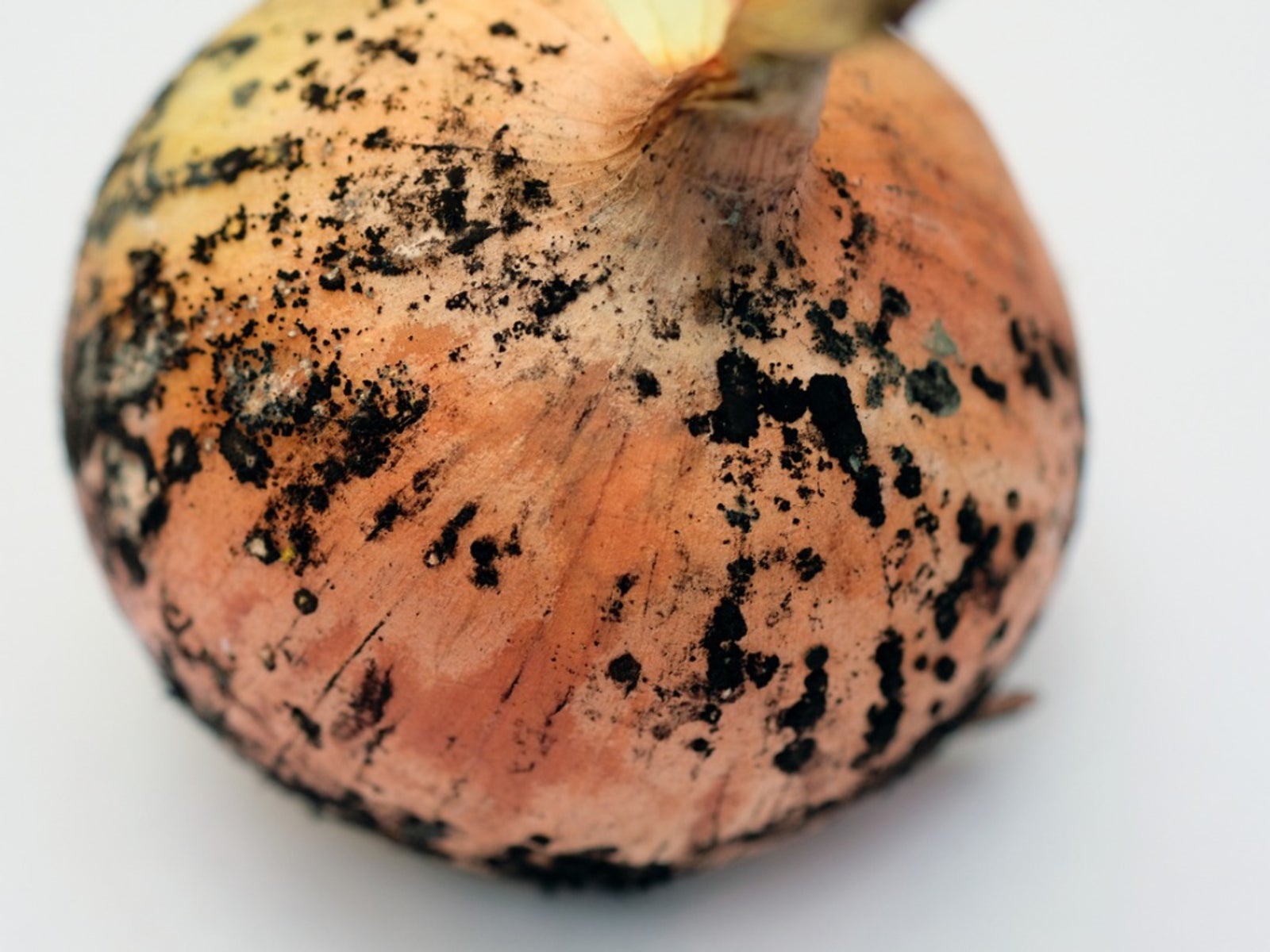
Black or “sooty” spots on onions are often caused by a fungus known as Aspergillus niger, which produces dark spores and mycelium on the outer scales of the bulb. While not every case is grave, this fungus is capable of producing toxins under certain conditions and poses health risks—particularly to sensitive individuals. Below is a detailed overview of the causes, possible health effects, and best practices for dealing with moldy onions.
What Causes Black Spots on Onions?
Fungal Infection by Aspergillus niger
-
Aspergillus niger is a ubiquitous soil and environmental fungus; its spores float through air and settle on plant surfaces. Wikipedia+2PMC+2
-
On onions, the disease is often called black mold (or black mold of onion). PNW Pest Management Handbooks+2UC IPM+2
-
The fungus typically infects bulbs during storage or transit (postharvest), though infections may begin in the field if conditions are favorable. UC IPM+2CU Blog Service+2
-
Entry points include wounds, bruises, or cuts at the neck (where the leaves die back), root regions, or cracks in the outer scales. UC IPM+3Arkansas Extension Service+3CU Blog Service+3
-
During storage, moisture (or condensation), high humidity (especially > 80%), and warm temperatures help the fungus colonize and sporulate. CU Blog Service+4UC IPM+4Gardening Know How+4
-
Under severe infection, the discoloration and blackening may penetrate internal layers; in advanced stages, the entire bulb surface can turn black and rot may set in (often aided by secondary bacterial pathogens). Gardening Know How+4PNW Pest Management Handbooks+4Arkansas Extension Service+4
Strains and Mycotoxin Potential
-
Not all strains of A. niger are toxin-producers. Some strains under favorable conditions can produce ochratoxin A, a known mycotoxin with kidney (nephrotoxic) and possibly carcinogenic properties. Canada.ca+4News-Medical+4PubMed+4
-
Studies suggest only about 3–10% of A. niger strains tested under certain lab conditions produce ochratoxin A. PubMed
-
Other metabolite effects reported include cytotoxicity, neurotoxicity, and nephrotoxicity (in experimental models). INSPQ
-
However, the extent to which these toxins penetrate the internal fleshy part of the onion (versus remaining on outer layers) is uncertain and likely limited in many cases. New Life On A Homestead+3Eat or Toss+3Gardening Know How+3
Health Effects & Risks
General Population
-
For most healthy individuals, occasional exposure to A. niger spores (ingested or inhaled) does not usually lead to serious illness. The human body can often clear low-level fungal spores without consequence. PubMed+3CDC+3PMC+3
-
If the mold is superficial (on the outer skin), peeling and washing usually remove most contaminants. New Life On A Homestead+3Ask USDA+3Dispatch+3
-
Some sources caution that even superficial molds should be trimmed away completely before use. Dispatch+2FoodManifest+2
Sensitive Individuals & Immunocompromised Persons
-
People with weakened immune systems, chronic lung disease, asthma, or allergies are at higher risk of infection or adverse reactions to Aspergillus species. News-Medical+4CDC+4Mayo Clinic+4
-
In rare cases, A. niger has been implicated in invasive aspergillosis (lung infection). There are documented case reports of fatal pneumonia due to A. niger. PMC
-
Also associated with otomycosis (ear infection) and cutaneous (skin) fungal infections in certain settings. Health, Safety & Risk Management+2Wikipedia+2
-
Allergic reactions (rhinitis, sinusitis, asthma exacerbations) may occur in those sensitive to mold spores. Wikipedia+4PMC+4AeroClave+4
Toxin-Related Effects (Hypothetical or Experimental)
-
If ochratoxin A or other secondary metabolites are present and ingested in sufficient amounts, they could pose kidneys, liver, or nervous system risks (observed in animal or cell studies). PMC+3INSPQ+3News-Medical+3
-
However, it’s important to note that in many practical scenarios, the toxin concentrations are likely low and may not reach harmful thresholds when superficial mold is removed. Eat or Toss+2PMC+2
What Should You Do If You Find Black Spots on an Onion?
Assess Severity & Visual Inspection
-
Check whether the blackening is only on the outer skins or deep into the flesh.
-
If it’s only superficial (on outer dry scales), the interior may still be unaffected. Dispatch+3Arkansas Extension Service+3New Life On A Homestead+3
-
If you cut the onion and black streaks or discoloration extend inward, it’s safer to discard it. New Life On A Homestead+4Arkansas Extension Service+4PNW Pest Management Handbooks+4
-
-
Smell or feel the onion
-
If it is slimy, soft, foul-smelling, or shows signs of rot, avoid using it. Arkansas Extension Service+2UC IPM+2
-
Safe Handling & Use
-
Peel off all outer layers that show black mold or dark spots.
-
Wash thoroughly under clean running water. Some suggest using a mild vinegar or salt rinse to help remove spores. Seasoned Advice+1
-
Use only the unaffected inner portions.
-
Do not use the onion if mold is deep, the bulb is soft, or the internal tissue is compromised.
-
Discard heavily infected bulbs rather than attempting to salvage them.
Prevention Strategies (At Home, in Storage, and in Agriculture)
-
Careful Harvest and Handling
-
Avoid bruising, cuts, or damage during harvest as wounds facilitate fungal entry. UC IPM+4Arkansas Extension Service+4PNW Pest Management Handbooks+4
-
Cure bulbs properly: drying them gradually under moderate conditions rather than rapid hot-air drying, which can stress tissues. PNW Pest Management Handbooks+2UC IPM+2
-
-
Storage Conditions
-
Keep temperature low (approximately 35°F to 55°F or 2–13 °C) with moderate humidity to minimize fungal growth. Arkansas Extension Service+2PNW Pest Management Handbooks+2
-
Ensure good ventilation and avoid closed, damp containers or plastic bags that trap moisture. UC IPM+2New Life On A Homestead+2
-
Rotate stock: use older onions first and avoid long-term storage under marginal conditions.
-
Sanitation: remove and destroy infected or spoiled bulbs. Clean storage areas, avoid carrying over debris or fungal inoculum. Gardening Know How+2UC IPM+2
-
-
Crop and Field Management
-
Use disease-free seed. A. niger can be seedborne. PNW Pest Management Handbooks+2CU Blog Service+2
-
Rotation: avoid planting onions in the same soil year after year adjacent to related Allium crops. Gardening Know How
-
Ensure good drainage and avoid waterlogging, which increases humidity around bulbs. Gardening Know How+1
-
Control other diseases and pests; these may weaken plants and predispose them to fungal invasion.
-
Disposal & Safety
-
When discarding moldy onions, seal them in bags so spores do not spread.
-
Clean any cutting boards, knives, or surfaces that came in contact with moldy parts.
-
Wash hands thoroughly after handling.
Summary & Recommendations
-
Black spots on onions are frequently due to Aspergillus niger colonizing the outer scales and neck tissues.
-
Some strains can produce toxins (e.g. ochratoxin A), but toxin production is not universal, and risk depends on degree of contamination, depth of penetration, and individual susceptibility.
-
For healthy individuals, superficial mold that is carefully removed and avoided usually poses low risk. However, for immunocompromised, asthmatic, or allergy-prone persons, even minimal exposure can be more dangerous.
-
When in doubt—especially if the mold penetrates deeply or the onion is soft or foul-smelling—discard it rather than risk exposure.
-
Preventive measures (good harvest technique, storage, sanitation, ventilation) are key to minimizing fungal contamination.
https://www.babacares.com/blog-details?details=839&title=Health+Risks+of+Black+Spots+on+Onions+Caused+by+Aspergillus+niger%3A+Effects%2C+Causes+







Comments