


The Importance of Dietary Fiber: Why Legumes, Whole Grains, and Fruits Should Be on Your Plate.
The Article
Dietary fiber is one of the most essential nutrients for maintaining digestive health, blood sugar balance, and heart function. Despite its importance, many people worldwide consume far less fiber than recommended. By emphasizing legumes, whole grains, and fruits, you can easily boost fiber intake and improve overall well-being.
What Is Dietary Fiber?
Dietary fiber refers to the indigestible parts of plant foods. Unlike fats, proteins, or carbohydrates, fiber passes relatively intact through the digestive system, helping regulate the body’s use of sugars and keeping hunger and blood sugar levels in check. Fiber comes in two main types:
- Soluble fiber – dissolves in water to form a gel-like substance, helping lower cholesterol and blood sugar.
- Insoluble fiber – adds bulk to stool and supports healthy digestion.
Key Sources of Fiber
1. Legumes
Beans, lentils, and chickpeas are rich in fiber, protein, and micronutrients. They are linked to:
- Lower cholesterol levels
- Improved satiety and weight control
- Reduced risk of type 2 diabetes
2. Whole Grains
Whole grains such as oats, brown rice, quinoa, and barley provide both soluble and insoluble fiber. Studies show they help:
- Support digestive health
- Reduce the risk of cardiovascular disease
- Maintain stable blood sugar levels
3. Fruits
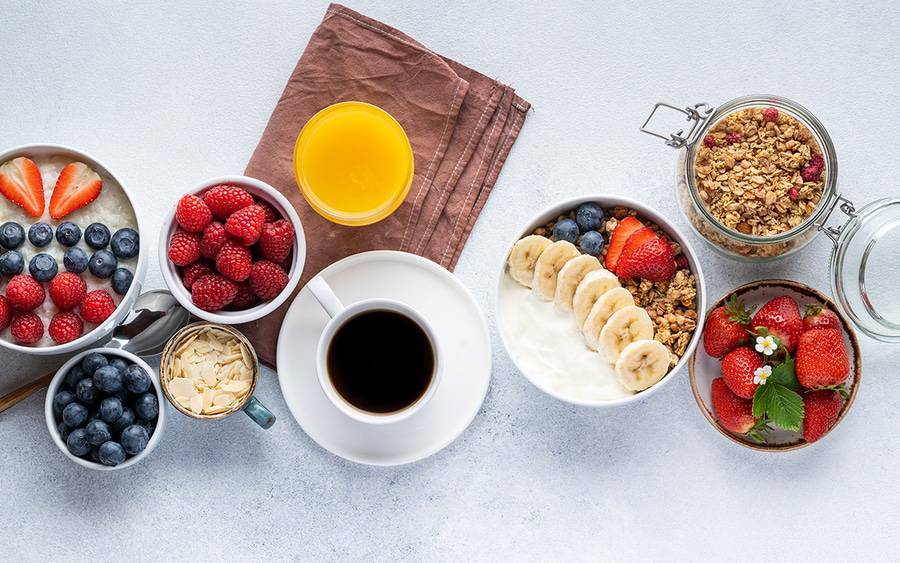
Apples, pears, bananas, and berries are excellent sources of fiber, especially when eaten with the skin. Fruit fiber contributes to:
- Better gut microbiome health
- Reduced risk of obesity
- Enhanced immune function
How Much Fiber Do You Need?
Health authorities recommend about 25–30 grams of fiber per day for adults, yet most people consume less than 15 grams. Making small changes—like swapping refined grains for whole grains or adding beans to salads—can help bridge this gap.
Practical Tips to Increase Fiber Intake
- Add lentils or beans to soups and stews.
- Choose whole grain bread, pasta, and rice over refined versions.
- Snack on fruits with the peel on instead of processed snacks.
Conclusion
Prioritizing legumes, whole grains, and fruits in your daily diet is a simple yet powerful way to boost fiber intake. This not only improves digestion but also helps prevent chronic diseases such as diabetes, heart disease, and obesity.
References
- Anderson, J. W., et al. (2009). Health Benefits of Dietary Fiber. Nutrition Reviews, 67(4), 188–205.
- Slavin, J. L. (2013). Fiber and Prebiotics: Mechanisms and Health Benefits. Nutrients, 5(4), 1417–1435.
- U.S. Department of Agriculture (USDA). Dietary Guidelines for Americans 2020–2025.
https://www.babacares.com/blog-details?details=837&title=The+Importance+of+Dietary+Fiber%3A+Why+Legumes%2C+Whole+Grains%2C+and+Fruits+Should+Be+on+Your+Plate.







Comments