

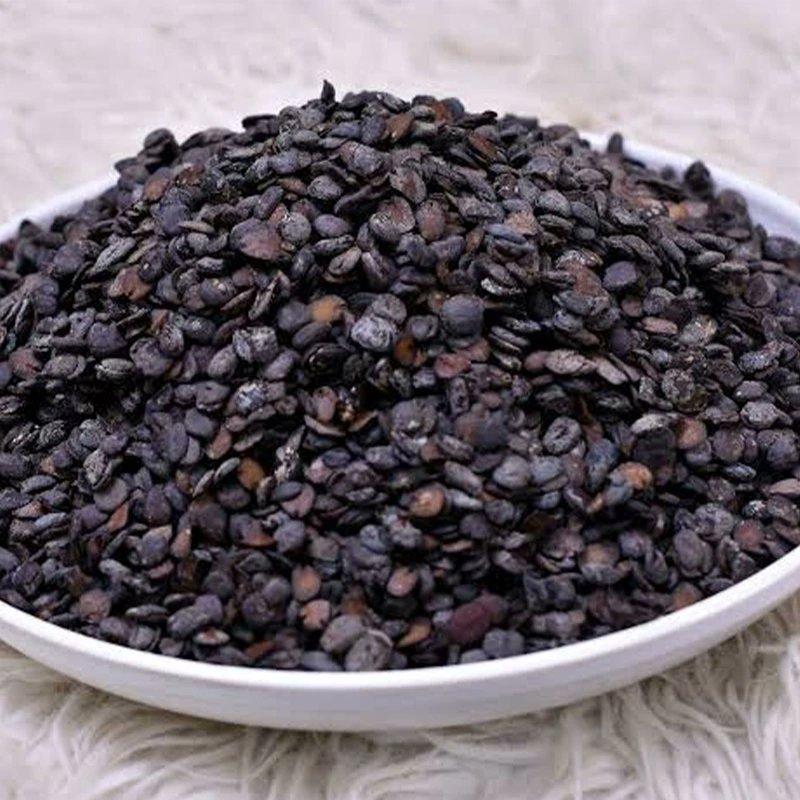
Locust Beans (Dawadawa): Nutrition, Health Benefits, and Culinary Uses
The Article.
Locust beans, popularly known as Dawadawa, iru (Yoruba), or ogiri okpei in different West African languages, are a traditional food ingredient derived from the seeds of the African locust bean tree (Parkia biglobosa). This superfood has been used for centuries in African cuisine, not only as a seasoning but also as a natural medicine. With rising global interest in functional foods and plant-based diets, Dawadawa is increasingly gaining attention for its nutritional and medicinal benefits.
What is Dawadawa?
Dawadawa is made by fermenting the seeds of the African locust bean tree. The fermentation process produces a strong, pungent seasoning used widely in soups, stews, and sauces across West Africa. Despite its intense smell, Dawadawa enhances food flavor and is considered a valuable source of nutrients.
Nutritional Value of Locust Beans
Locust beans are nutrient-dense, making them a vital food ingredient in traditional diets. They contain:
-
Protein: Essential for growth and repair of tissues.
-
Fiber: Aids digestion and promotes gut health.
-
Minerals: Rich in calcium, iron, potassium, and phosphorus.
-
Vitamins: Contains vitamin A and vitamin C.
-
Healthy Fats: Provides unsaturated fatty acids beneficial for heart health.
According to research, fermented locust beans can contribute significantly to dietary protein intake, especially in communities with limited access to animal protein.
Health Benefits of Locust Beans (Dawadawa)
1. Improves Digestive Health
The fermentation of Dawadawa produces beneficial probiotics that promote gut balance and improve digestion. Its fiber content also prevents constipation.
2. Supports Heart Health
Rich in potassium and unsaturated fatty acids, Dawadawa helps regulate blood pressure and reduces bad cholesterol levels, lowering the risk of cardiovascular diseases.
3. Boosts Immunity
The presence of antioxidants and vitamins strengthens the immune system, helping the body fight infections.
4. Manages Diabetes
Studies suggest that locust beans may help regulate blood sugar levels due to their fiber and protein content, which slow down glucose absorption.
5. Promotes Healthy Eyes and Skin
With vitamin A and natural antioxidants, Dawadawa supports good vision and nourishes the skin.
Culinary Uses of Dawadawa
-
Soups and Stews: Commonly added to traditional soups like egusi, ogbono, and okra soup.
-
Rice Dishes: Used to season jollof rice or plain rice for added flavor.
-
Sauces: Blended into pepper sauces to enrich taste and aroma.
Although its smell can be overwhelming, Dawadawa’s umami-rich taste elevates dishes, much like soy sauce or miso in Asian cuisines.
Dawadawa in Traditional Medicine
Beyond food, Dawadawa has been used in African traditional medicine for centuries. Its bark, leaves, and seeds are used in managing conditions such as:
-
Malaria
-
Hypertension
-
Gastrointestinal problems
-
Wound healing
Conclusion
Locust beans (Dawadawa) are more than just a seasoning — they are a powerhouse of nutrients with significant health benefits. As global awareness of plant-based nutrition grows, Dawadawa stands out as one of Africa’s hidden superfoods, offering both culinary richness and medicinal value.
References
-
Odebunmi, E. O., Oluwaniyi, O. O., & Bashiru, M. O. (2009). Comparative Proximate Analysis of Some Food Condiments. Journal of Applied Sciences Research, 5(7), 897–901.
-
Akinmoladun, F. O., Komolafe, T. R., Farombi, E. O. (2021). Nutritional and Pharmacological Importance of Parkia biglobosa (African Locust Bean). Frontiers in Plant Science, 12, 640401.
-
Campbell-Platt, G. (1980). African Locust Bean (Parkia species) and Its West African Fermented Food Product, Dawadawa. Ecology of Food and Nutrition, 9(2), 123–132.
-
Alabi, O. A., et al. (2005). Nutritional and Industrial Potentials of African Locust Bean (Parkia biglobosa). Journal of Food Technology, 3(4), 205–208.
https://www.babacares.com/blog-details?details=835&title=Locust+Beans+%28Dawadawa%29%3A+Nutrition%2C+Health+Benefits%2C+and+Culinary+Uses








Comments