

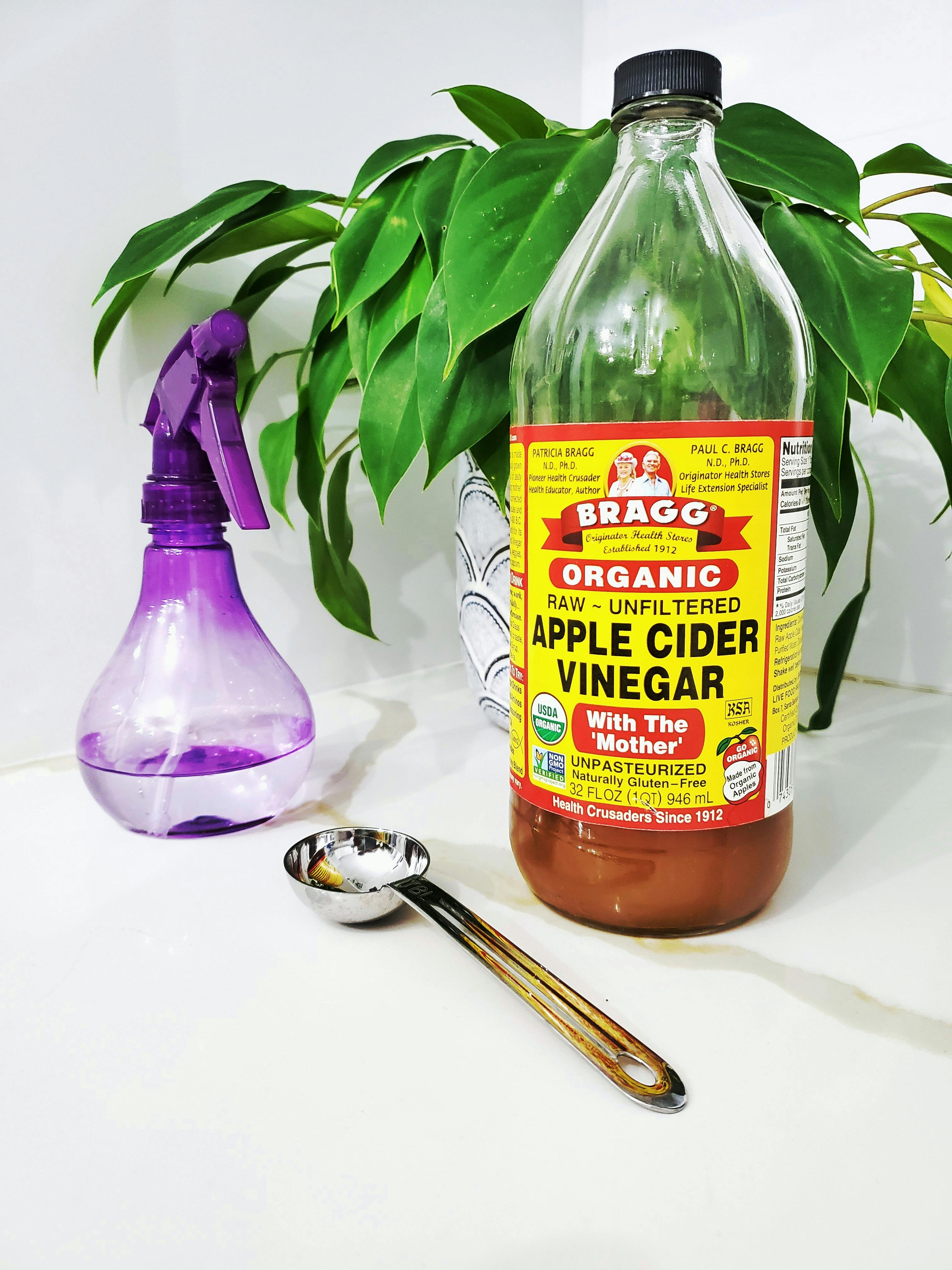
Apple Cider Vinegar with Water: Natural Remedy for High Blood Sugar.
High blood sugar, or hyperglycemia, is a growing concern worldwide, often linked to type 2 diabetes, prediabetes, and metabolic disorders. While medications are essential for managing blood sugar, natural remedies like apple cider vinegar (ACV) can complement lifestyle measures to maintain healthy glucose levels.
Apple cider vinegar is rich in acetic acid, which research suggests may improve insulin sensitivity and reduce post-meal blood sugar spikes. Combining ACV with water is a safe and simple way to incorporate this natural remedy into your routine.
How Apple Cider Vinegar Helps Regulate Blood Sugar
Apple cider vinegar works through several mechanisms:
- Improves Insulin Sensitivity: ACV enhances the body’s response to insulin, allowing cells to absorb glucose more effectively.
- Slows Carbohydrate Digestion: The acetic acid in ACV slows the breakdown of carbohydrates in the stomach, preventing rapid blood sugar spikes.
- Reduces Appetite and Cravings: ACV may increase feelings of fullness, which can help control calorie intake and support weight management.
- Supports Overall Metabolic Health: Regular ACV intake may help improve lipid profiles and reduce fat accumulation, indirectly benefiting glucose control.
How to Prepare ACV Drink for Blood Sugar Control
Ingredients:
- 1–2 teaspoons organic, unfiltered apple cider vinegar
- 1 glass (250ml) of water
- Optional: 1 teaspoon honey for taste
Instructions:
- Pour 1–2 teaspoons of apple cider vinegar into a glass of water.
- Stir well to ensure it is evenly diluted.
- Drink 15–20 minutes before meals.
- Start with smaller amounts if new to ACV to allow your body to adjust.
Tips:
- Always dilute ACV to prevent tooth enamel erosion and stomach irritation.
- Use organic, unfiltered ACV for maximum health benefits.
- Avoid adding excessive sweeteners to keep the drink blood sugar-friendly.
Scientific Evidence Supporting ACV for Blood Sugar
- Fasting Blood Sugar Reduction: A study in Diabetes Care found that consuming 2 tablespoons of ACV before bedtime reduced fasting blood glucose in people with type 2 diabetes (Johnston et al., 2004).
- Improved Insulin Sensitivity: ACV was shown to improve insulin sensitivity by 19–34% during a high-carb meal in insulin-resistant individuals (Johnston et al., 2010).
- Weight and Fat Reduction: ACV intake may aid in weight management, which indirectly supports blood sugar control (Kondo et al., 2009).
Precautions and Considerations
- Do Not Drink Undiluted: Pure ACV can damage tooth enamel and irritate the esophagus.
- Limit Daily Intake: 1–2 tablespoons per day is generally safe for adults.
- Consult Your Doctor: Especially important if you take diabetes medications, as ACV may amplify their effects.
- Avoid If You Have Certain Conditions: People with ulcers, acid reflux, or chronic kidney issues should consult a healthcare provider before using ACV.
Additional Tips for Blood Sugar Management
- Maintain a balanced diet with low-glycemic foods.
- Engage in regular physical activity to enhance insulin sensitivity.
- Monitor blood sugar regularly to track changes.
- Stay hydrated with water throughout the day.
Conclusion
Apple cider vinegar mixed with water is a natural, safe, and effective way to support healthy blood sugar levels. When incorporated into a balanced diet, combined with exercise, and monitored with medical guidance, this simple remedy may help reduce post-meal glucose spikes, improve insulin sensitivity, and promote overall metabolic health.
References:
- Johnston, C. S., Kim, C. M., & Buller, A. J. (2004). Vinegar improves insulin sensitivity to a high-carbohydrate meal in subjects with insulin resistance or type 2 diabetes. Diabetes Care, 27(1), 281–282.
- Johnston, C. S., et al. (2010). Vinegar ingestion at mealtime reduces postprandial glycemia in healthy adults. Journal of the American Dietetic Association, 110(2), 271–276.
- Kondo, T., et al. (2009). Vinegar intake reduces body weight, body fat mass, and serum triglyceride levels in obese Japanese subjects. Bioscience, Biotechnology, and Biochemistry, 73(8), 1837–1843.
https://www.babacares.com/blog-details?details=824&title=Apple+Cider+Vinegar+with+Water%3A+Natural+Remedy+for+High+Blood+Sugar.









Comments