

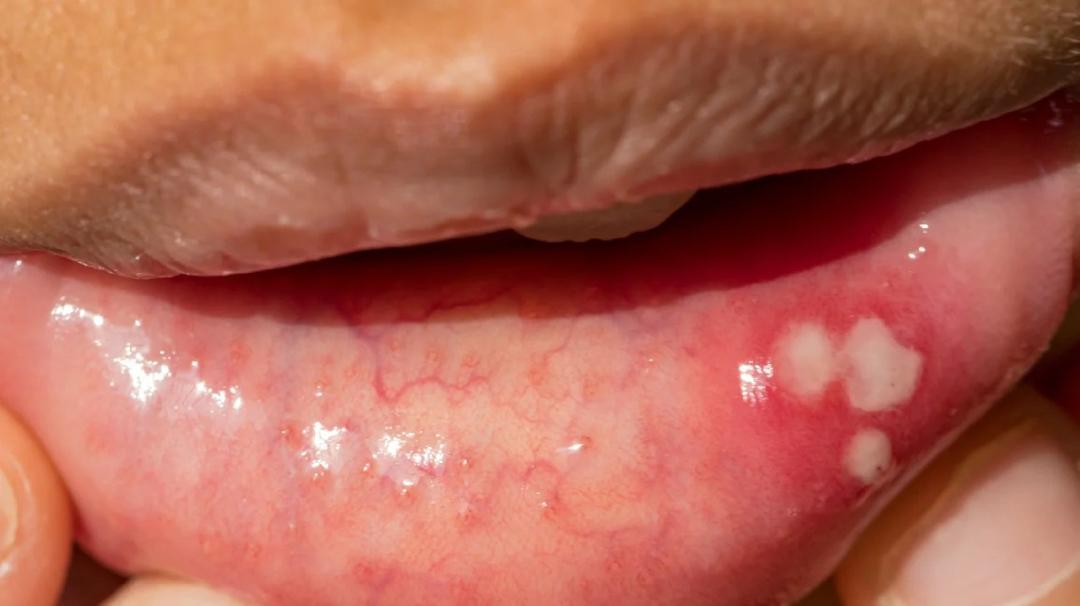
Mouth Cancer: Early Signs, Risk Factors, and Prevention.
Mouth cancer, also known as oral cancer, is a serious condition that affects the tissues of the mouth, lips, tongue, and throat. Early detection is crucial because treatment is more effective when cancer is found at an early stage. Understanding the risk factors, symptoms, and preventive measures can save lives.
What is Mouth Cancer?
Mouth cancer refers to the abnormal growth of cells in the oral cavity that can invade nearby tissues and spread to other parts of the body. It most commonly begins in the tongue, lips, gums, or floor of the mouth. Squamous cell carcinoma is the most frequent type of oral cancer.
Early Signs and Symptoms
Early detection is key. Watch for the following:
- Persistent sores or ulcers in the mouth that do not heal within two weeks.
- White or red patches on the gums, tongue, or lining of the mouth.
- Lumps or thickened areas inside the mouth.
- Pain, tenderness, or numbness in the mouth or lips.
- Difficulty chewing, swallowing, or moving the jaw/tongue.
- Unexplained bleeding in the mouth.
If any of these symptoms persist, it’s important to see a healthcare professional promptly.
Risk Factors for Mouth Cancer
- Tobacco use: Smoking cigarettes, cigars, pipes, or using smokeless tobacco significantly increases risk.
- Alcohol consumption: Heavy alcohol use, especially combined with tobacco, is a major risk factor.
- Human papillomavirus (HPV) infection: Certain strains of HPV are linked to oral cancers.
- Sun exposure: Lip cancer is more common in people with high UV exposure.
- Age and gender: Most cases occur in adults over 40, with men at higher risk.
- Poor oral hygiene or chronic irritation from ill-fitting dentures.
Diagnosis
Mouth cancer is usually diagnosed through:
- Clinical examination by a dentist or doctor.
- Biopsy of suspicious tissue.
- Imaging tests such as CT, MRI, or PET scans to determine the extent of spread.
Treatment Options
Treatment depends on the cancer stage and location:
- Surgery: Removal of cancerous tissue and sometimes nearby lymph nodes.
- Radiation therapy: High-energy rays to destroy cancer cells.
- Chemotherapy: Drugs to kill cancer cells, often combined with radiation.
- Targeted therapy and immunotherapy: Used in advanced cases to improve outcomes.
Prevention and Healthy Practices
- Avoid tobacco and limit alcohol consumption.
- Maintain good oral hygiene and regular dental check-ups.
- Protect lips from excessive sun exposure with sunscreen or lip balm.
- Eat a balanced diet rich in fruits and vegetables to support oral health.
- HPV vaccination can reduce the risk of HPV-related oral cancers.
Key Takeaway
Mouth cancer is a serious but preventable disease. Early recognition of symptoms and risk factors, along with lifestyle changes, regular dental visits, and prompt medical care, greatly improves the chances of successful treatment and survival.
References
- American Cancer Society. Oral Cavity and Oropharyngeal Cancer. Cancer.org
- Mayo Clinic. Mouth Cancer: Symptoms and Causes. MayoClinic.org
- National Cancer Institute. Oral Cavity and Oropharyngeal Cancer Treatment. Cancer.gov
- World Health Organization (WHO). Oral Health Fact Sheet. WHO.int
https://www.babacares.com/blog-details?details=821&title=Mouth+Cancer%3A+Early+Signs%2C+Risk+Factors%2C+and+Prevention.











Comments