

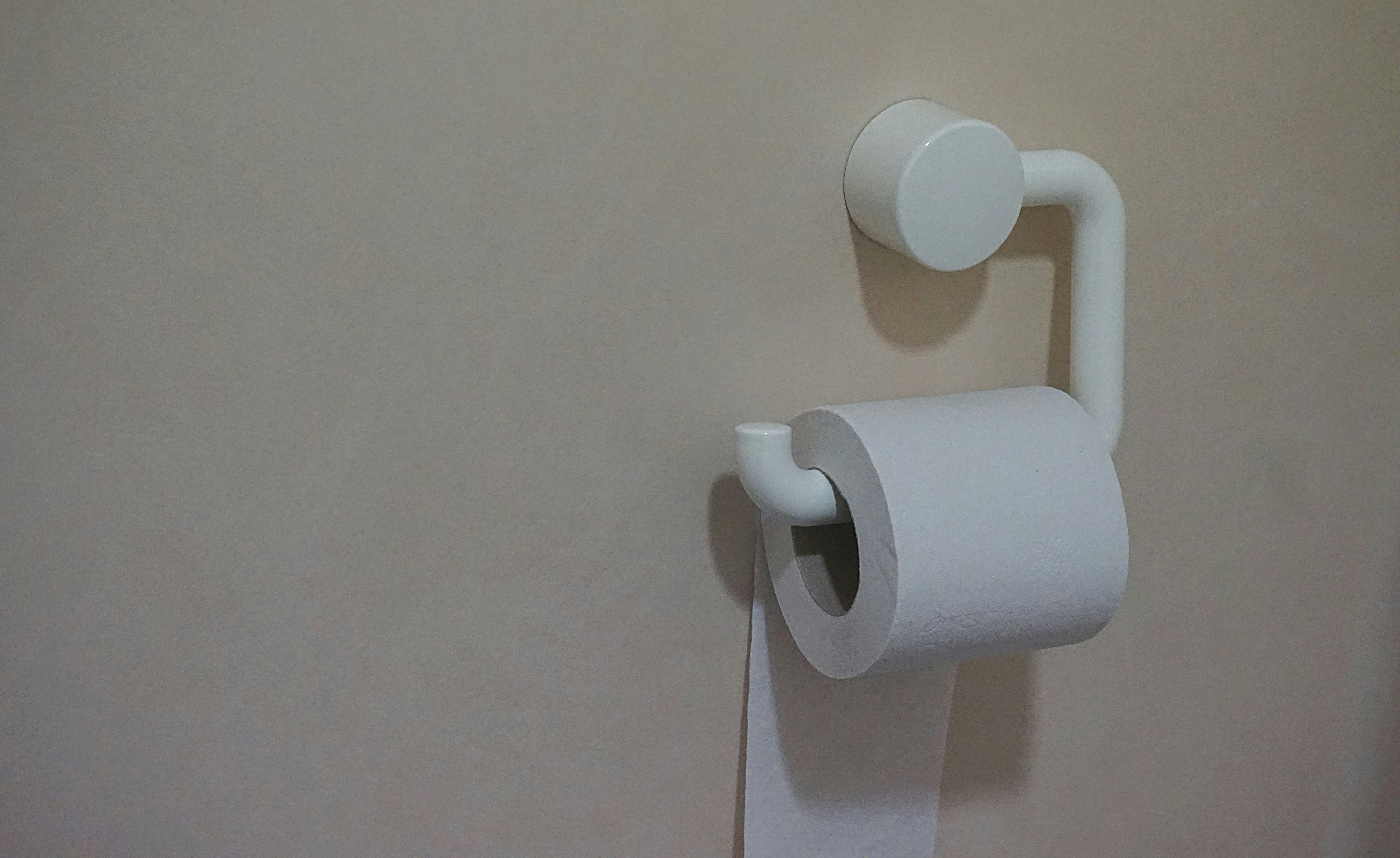
Toilet Paper vs Water: The Best Way to Clean After Using the Bathroom for Hygiene & Comfort.
Disclosure: “This post may contain affiliate links. If you buy through these links, I may earn a small commission at no extra cost to you. Thank you for supporting this site!”
Product: Cottonelle Professional Standard Roll Toilet Paper, Bulk (17713), 2-Ply, White (60 Rolls of 451 Sheets, 27,060 Sheet Total)
Product Link: https://amzn.to/3UPSjyj
THE ARTICLE
Introduction
Proper hygiene after using the bathroom is essential for health, comfort, and preventing infections. While toilet paper has long been the standard in many countries, water-based cleaning methods, such as bidets or handheld sprays, are becoming increasingly popular. This article explores the pros and cons of toilet paper vs water and offers expert advice for maintaining optimal hygiene.
Why Hygiene After Using the Bathroom Matters
Cleaning effectively reduces bacteria, prevents irritation, and minimizes odor. Poor hygiene can contribute to urinary tract infections, hemorrhoids, or skin irritation. Choosing the right method is key to protecting your health.
Using Water: Pros and Cons
Pros:
- More hygienic: Water removes bacteria and fecal residue more thoroughly than dry toilet paper. (Healthline)
- Gentle on the skin: Ideal for sensitive areas, hemorrhoids, or post-surgery recovery. (Mayo Clinic)
- Eco-friendly: Reduces the need for toilet paper, lowering environmental impact.
Cons:
- Accessibility: Bidets or handheld sprays are not always available in every bathroom.
- Drying required: Skin may remain damp and require toilet paper or a towel for drying.
Using Toilet Paper: Pros and Cons
Pros:
- Convenient: Readily available in nearly all bathrooms.
- Keeps skin dry: Leaves no moisture, reducing discomfort for some individuals.
- Familiar: Easy and quick to use.
Cons:
- Less hygienic: May leave residue and bacteria behind. (WebMD)
- Can irritate skin: Rough or excessive wiping may cause irritation or exacerbate hemorrhoids.
- Environmental impact: High consumption of paper contributes to deforestation and waste.
Best Practices for Cleaning After Bathroom Use
- Combine Both Methods: Use water first for thorough cleaning, then a small amount of toilet paper to dry.
- Choose Gentle Toilet Paper: Opt for soft, unscented paper to reduce irritation.
- Maintain Bidet Hygiene: Clean bidet nozzles regularly to prevent bacterial buildup.
- Consider Your Skin Type: Water is especially recommended for sensitive skin or medical conditions.
Conclusion
Water is generally the most hygienic and gentle method for cleaning after using the bathroom, while toilet paper is convenient and dries the skin. For optimal hygiene, combine water and toilet paper, or consider investing in a bidet or handheld spray. This approach enhances cleanliness, protects skin, and is environmentally sustainable.
References
- Healthline – Is Using a Bidet More Hygienic?
- Mayo Clinic – Bidet Use: Tips and Benefits
- WebMD – Toilet Paper vs Water: Which Is Better?
- NCBI – Hygiene Practices and Health
https://www.babacares.com/blog-details?details=808&title=Toilet+Paper+vs+Water%3A+The+Best+Way+to+Clean+After+Using+the+Bathroom+for+Hygiene+




Comments