

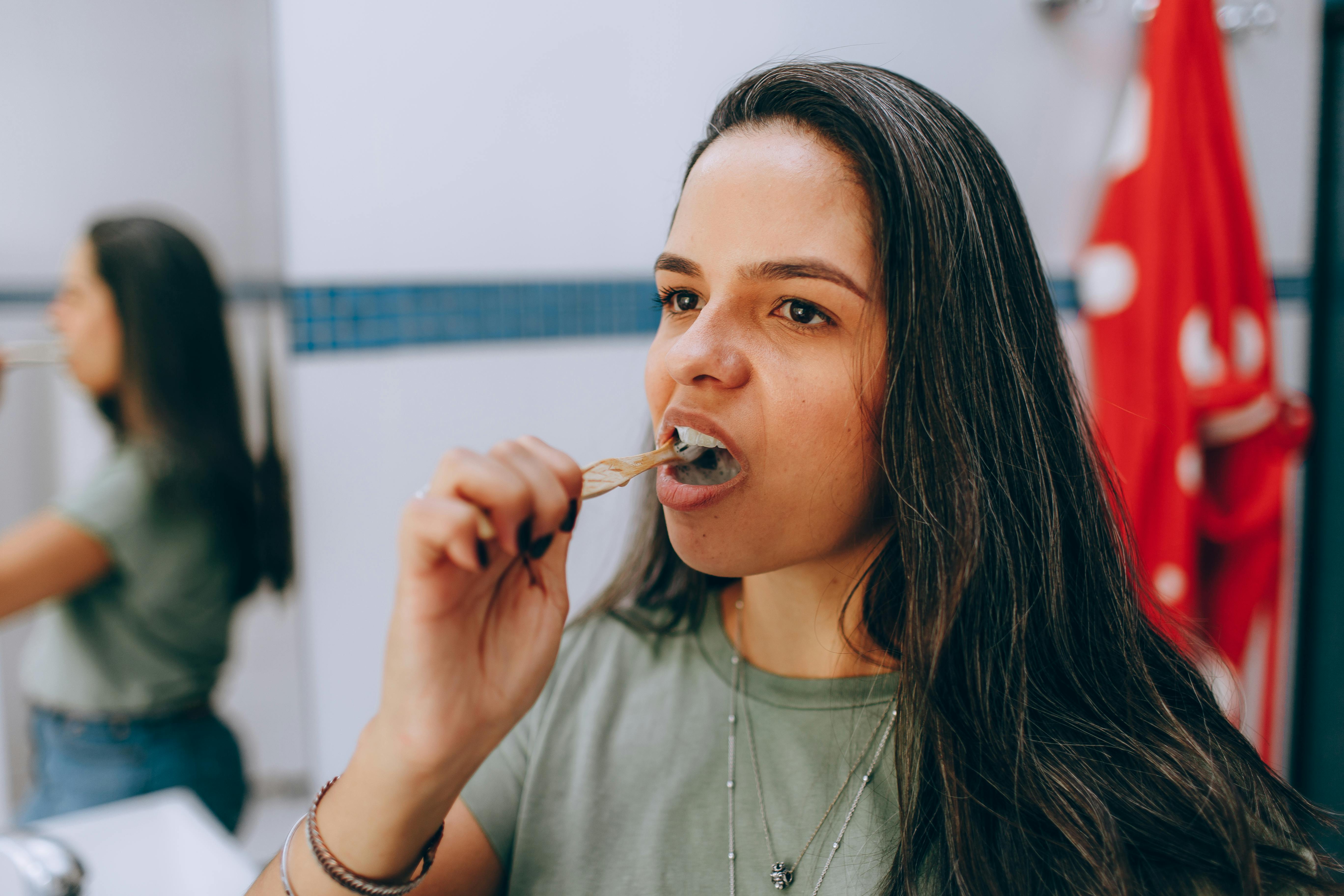
Brushing Teeth After Breakfast: Pros, Cons, and Expert Recommendations.
Disclosure: This post may contain affiliate links. If you purchase through them, I may earn a small commission — at no extra cost to you.
Product: Bitvae Ultrasonic Electric Toothbrushes for Adults and Kids, ADA Accepted Rechargeable Travel Sonic Toothbrush with 8 Brush Heads, 5 Modes, Holder, D2 (Jet Black)
Product Link: https://amzn.to/3JzCh9m
THE ARTICLE.
Introduction
The debate over whether to brush your teeth before or after breakfast has been ongoing. While brushing before breakfast is often recommended to protect tooth enamel, brushing after breakfast can also be beneficial if done correctly. In this article, we'll explore the pros and cons of brushing after breakfast and provide expert recommendations to help you make an informed decision.Adelaide Now
Pros of Brushing Teeth After Breakfast
- Removes Food Particles and Plaque
Brushing after breakfast helps remove food particles and plaque that accumulate during the meal. This can prevent the buildup of harmful bacteria and reduce the risk of cavities and gum disease. - Freshens Breath
Brushing after eating ensures that your mouth feels fresh and clean, eliminating any lingering odors from food. - Personal Preference
Some individuals prefer brushing after breakfast as it fits better into their morning routine, allowing them to feel more awake and ready for the day.
Cons of Brushing Teeth After Breakfast
- Risk of Enamel Erosion
Many breakfast foods and beverages, such as citrus fruits, orange juice, and coffee, are acidic. Brushing immediately after consuming these can wear away softened enamel, leading to increased sensitivity and a higher risk of cavities. - Potential to Brush Acid Into Enamel
Brushing too soon after eating acidic foods can push the acid deeper into the enamel, causing more damage. It's recommended to wait at least 30 minutes before brushing to allow saliva to neutralize acids and re-harden enamel. - Missed Opportunity to Protect Enamel
Brushing before breakfast provides a protective fluoride barrier against acids in food, reducing the risk of enamel erosion.
Expert Recommendations
- Wait Before Brushing: If you prefer brushing after breakfast, wait at least 30 minutes to allow saliva to neutralize acids and re-harden enamel. Mayo Clinic+3Shawnessy Dental+3Adelaide Now+3
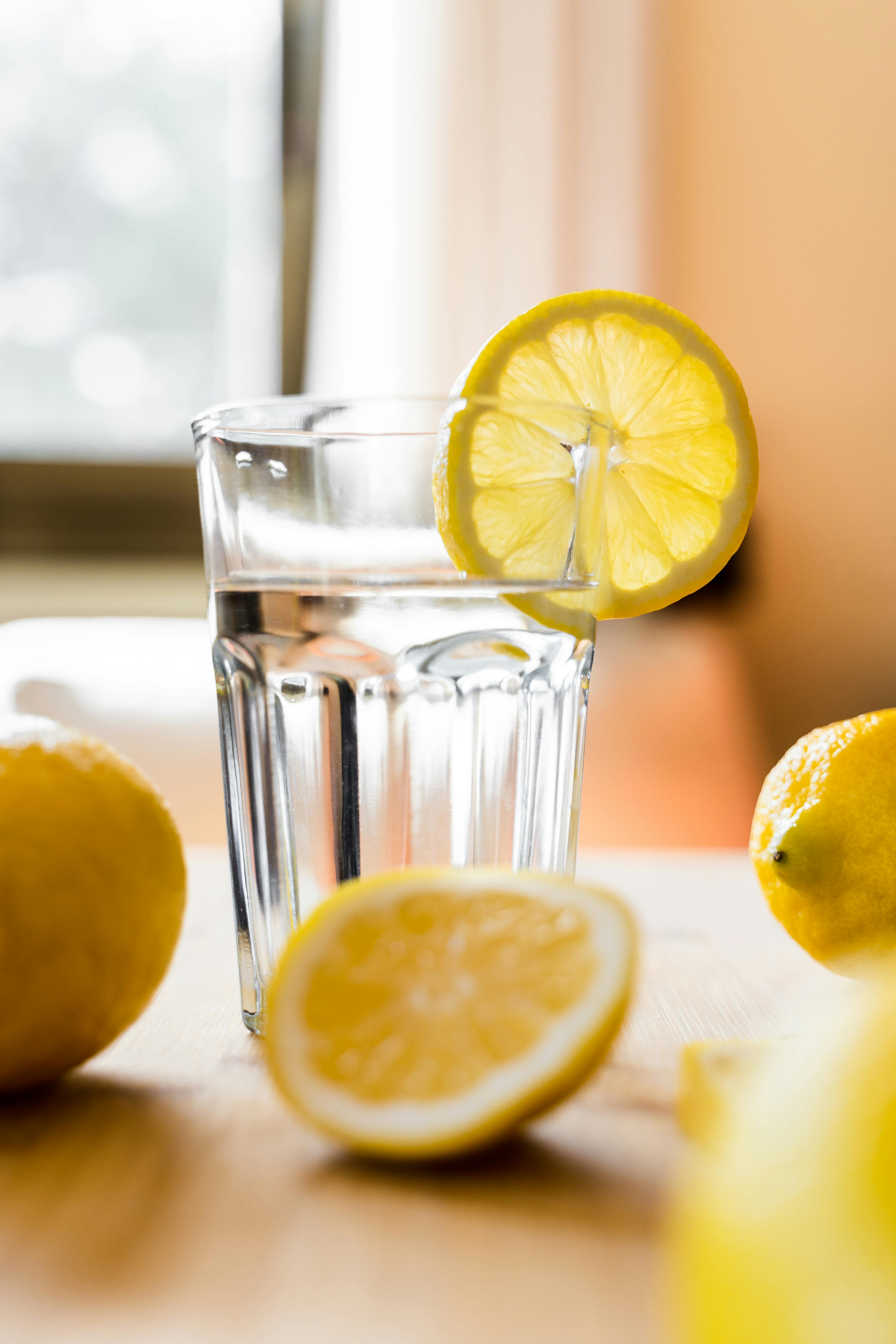
- Drink Water After Eating: Rinse your mouth with water after meals to help wash away food particles and acids, reducing the risk of enamel erosion.
- Chew Sugar-Free Gum: Chewing gum stimulates saliva production, which helps neutralize acids and protect enamel.
- Use Fluoride Toothpaste: Fluoride strengthens enamel and helps protect against cavities.Shawnessy Dental+1
- Avoid Hard Brushing: Use a soft-bristled toothbrush and gentle brushing technique to prevent enamel wear and gum recession.
Conclusion
While brushing after breakfast can be effective in removing food particles and freshening breath, it's essential to wait at least 30 minutes after eating acidic foods to protect your enamel. Alternatively, brushing before breakfast can provide a protective fluoride barrier. Consult with your dentist to determine the best oral hygiene routine for your individual needs.Red Oak Family Dentistry of McKinney+2Shawnessy Dental+2
References
- Healthline: Should You Brush Your Teeth Before or After Breakfast? Healthline+2Dr. Mark Babbitt+2
- Colgate: Is Brushing Teeth After Eating Good For You? Colgate
- Marshfield Pediatric Dentistry: Should I Brush My Teeth Before or After I Eat Breakfast? Marshfield Pediatric Dentistry
- Annapolis Dental Care: The Advantages and Cons of Brushing Your Teeth Before and After Breakfast Annapolis Dental Care
- Access Dental: Brush Your Teeth Before or After Breakfast? Access Dental & Dentures
https://www.babacares.com/blog-details?details=805&title=Brushing+Teeth+After+Breakfast%3A+Pros%2C+Cons%2C+and+Expert+Recommendations.









Comments