

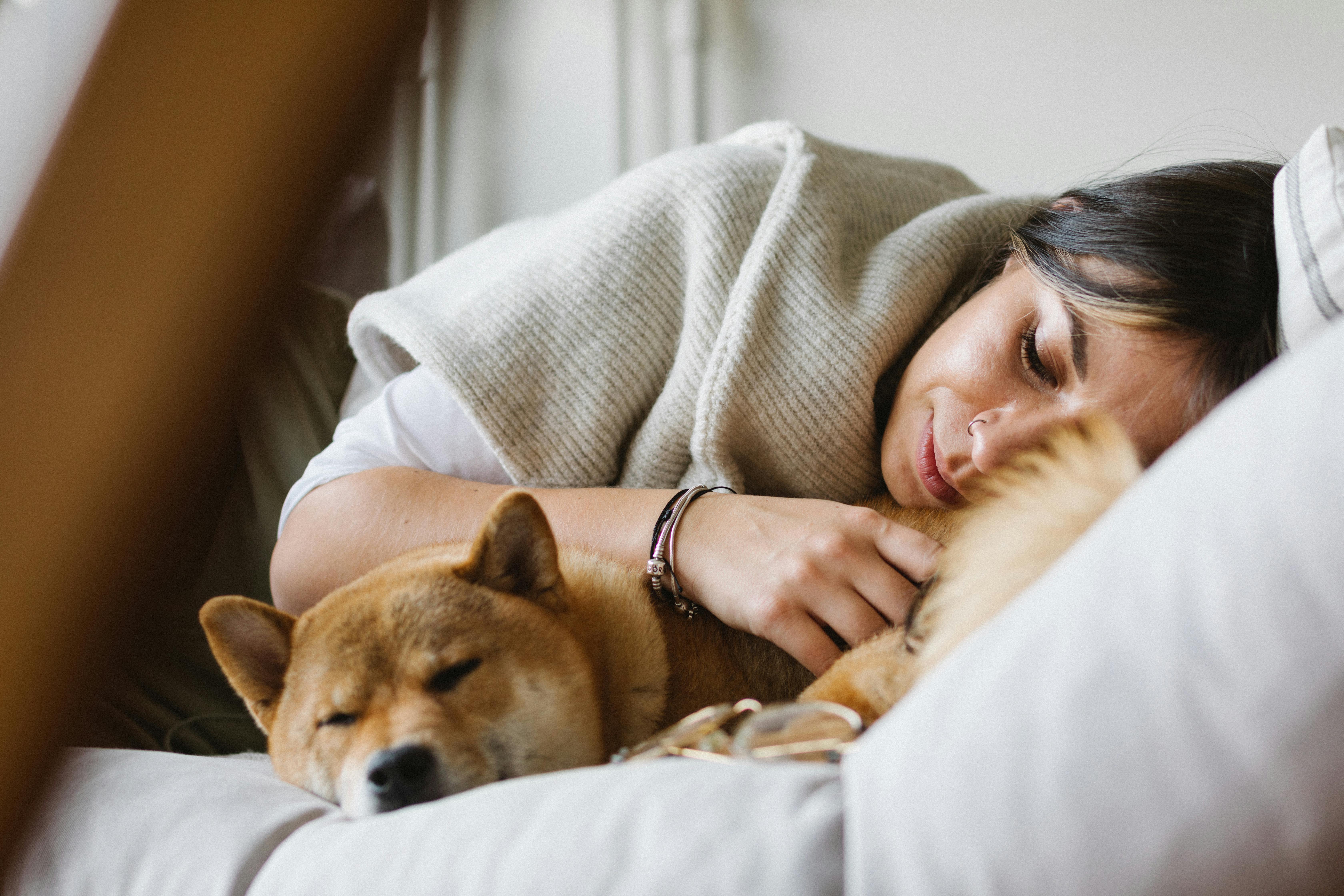
Side Sleeping: Benefits, Side Effects, and the Healthiest Way to Sleep.
Disclosure: "This article contains affiliate links. If you purchase through these links, I may earn a commission at no extra cost to you. This helps support my work. Thank you!"
Product: Genuine Health Deep Sleep – Natural Sleep Aid with Reishi, GABA, Melatonin & Magnesium – Fall Asleep Faster & Wake Up Refreshed – Vegan, Gluten-Free, 60 Capsules
Product Link: https://amzn.to/3Jw99ju
THE ARTICLE.
Introduction
Side sleeping is the most common sleep position worldwide, with studies showing that over 60% of adults prefer it [1]. Whether curled up in a fetal position or stretched out on one side, this posture can have a major impact on your overall health — both positively and negatively. In this article, we explore the benefits and side effects of sleeping on your side, and outline expert-backed tips for optimizing your sleep posture.
The Benefits of Side Sleeping
- Improved Digestion and Gut Health
Sleeping on the left side is often recommended for digestive issues. This position promotes better waste elimination and reduces acid reflux by allowing gravity to aid the movement of food and waste through the digestive tract [2]. - Reduced Snoring and Sleep Apnea Symptoms
Side sleeping can help reduce snoring and alleviate symptoms of obstructive sleep apnea (OSA) by preventing the tongue and soft tissues from collapsing into the airway [3]. - Better Brain Detoxification
A 2015 study in The Journal of Neuroscience found that side sleeping may improve glymphatic system function — the brain's method of clearing waste — possibly reducing the risk of neurodegenerative diseases like Alzheimer’s [4]. - Pregnancy Support
Left-side sleeping during pregnancy improves blood flow to the fetus and helps reduce pressure on the liver. It’s widely recommended for pregnant individuals [5].
Potential Side Effects of Side Sleeping
Despite its benefits, side sleeping can lead to a few physical issues if not done correctly:
- Shoulder and Hip Pain
Lying on one side too long can compress the shoulder and hip joints, causing discomfort or nerve impingement [6]. - Facial Wrinkles and Skin Compression
Constant pressure on one side of the face may accelerate the formation of sleep wrinkles and skin aging, especially in individuals who sleep directly on a pillow without facial support [7]. - Breast Sagging
For people with larger breasts, sleeping on the side without adequate support may contribute to stretching ligaments over time [8].
Best Practices for Healthy Side Sleeping
To minimize the drawbacks and maximize the benefits of side sleeping, follow these evidence-based tips:
1. Choose the Right Side
- Left Side: Ideal for digestion, heartburn relief, and pregnancy.
- Right Side: May be better for heart function in people with certain heart conditions [9].
2. Use a Supportive Pillow
- Choose a medium-to-firm pillow that fills the gap between the neck and mattress to maintain spinal alignment.
- Consider a contour memory foam pillow or one labeled specifically for side sleepers.
3. Place a Pillow Between Your Knees
- This reduces strain on the lower back and hips by keeping the spine in a neutral position.
4. Keep Arms in a Neutral Position
- Avoid tucking your arm under the pillow or your head, as it may cause shoulder or neck pain.
5. Rotate Sides Periodically
- Switching sides can help prevent muscle imbalances, pressure sores, or joint stiffness.
When to Avoid Side Sleeping
Individuals with:
- Shoulder injuries
- Severe arthritis in hips
- Certain types of scoliosis
...may need alternative positions like back sleeping (with lumbar support) or consult a medical professional for a personalized solution.
Conclusion
Side sleeping can be a healthy and comfortable position — if done right. It supports digestion, brain detox, and breathing, and is especially beneficial during pregnancy. However, it can lead to joint discomfort and skin issues if you don’t use proper posture and support. By adjusting your sleep setup, you can avoid the common pitfalls and enjoy a restful, rejuvenating sleep every night.
References
- NIH Study on Sleep Positions and Age-Related Patterns
- Left Side Sleeping and Digestion – NIH
- Sleep Foundation: Side Sleeping Benefits
- The Journal of Neuroscience – Glymphatic System
- PubMed Study on Pregnancy Sleep Positions
- Joint Pressure and Pain – PMC Article
- Sleep Wrinkles – PMC Dermatology Study
- American Academy of Dermatology – Skin and Sleep
- Sleep Foundation – Which Side is Best?
https://www.babacares.com/blog-details?details=803&title=Side+Sleeping%3A+Benefits%2C+Side+Effects%2C+and+the+Healthiest+Way+to+Sleep.










Comments