


Postpartum Hormone Balance Remedies: Natural Ways to Restore Wellness After Birth.
After giving birth, many women experience unexpected emotional, physical, and mental changes. These are often linked to postpartum hormonal fluctuations, which can affect mood, energy levels, metabolism, skin, and menstrual cycles. Finding effective and natural postpartum hormone balance remedies is essential to support recovery and long-term well-being.
In this article, we’ll explore the causes of postpartum hormone imbalance and provide natural, evidence-based remedies to help restore balance gently and safely.
Why Do Hormones Get Imbalanced After Birth?
During pregnancy, hormone levels—especially estrogen and progesterone—skyrocket. After childbirth, these hormones drop rapidly, leading to a cascade of changes that can contribute to:
- Fatigue and mood swings
- Anxiety or postpartum depression
- Low libido
- Irregular periods
- Hair loss and skin changes
- Trouble sleeping or hot flashes
In addition, prolactin (which promotes breast milk production) and oxytocin (the bonding hormone) surge, affecting the emotional and physical landscape of the postpartum period.
Natural Postpartum Hormone Balance Remedies
1. Eat a Hormone-Supportive Diet
Your body needs the right nutrients to restore hormone health.
What to include:
- Healthy fats: avocado, nuts, seeds, olive oil (for estrogen production)
- Protein: essential for hormone synthesis and blood sugar regulation
- Cruciferous vegetables: broccoli, kale, cabbage (support estrogen metabolism)
- Fiber: helps eliminate excess hormones
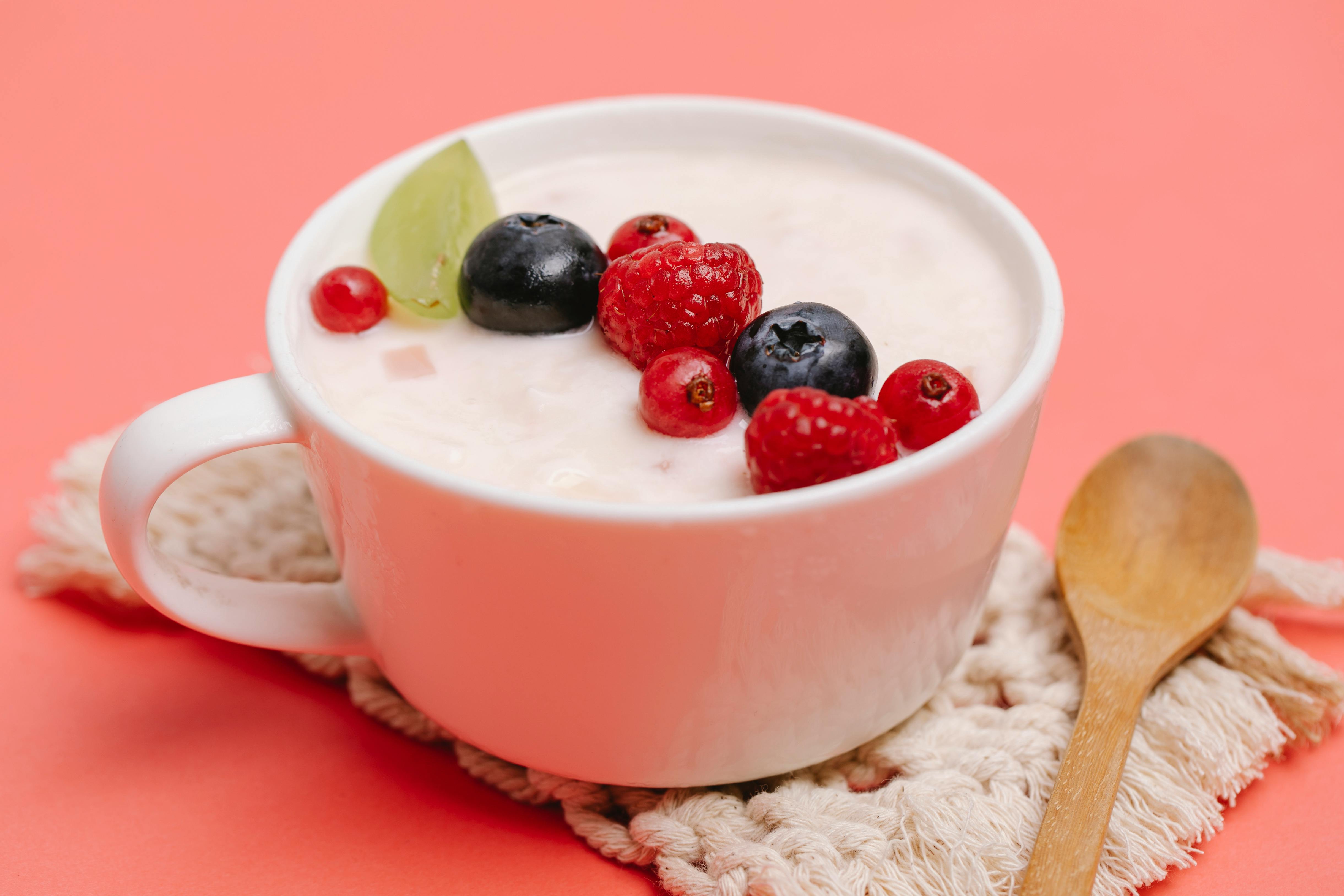
- Fermented foods: kefir, sauerkraut, yogurt (support gut and hormone health)
📝 A study in the journal Nutrients (2020) highlights the importance of nutrient-dense diets in improving hormonal balance and mental health postpartum.
https://www.ncbi.nlm.nih.gov/pmc/articles/PMC7352709/
2. Stay Hydrated and Replenish Electrolytes
Hormonal recovery is energy-intensive. Breastfeeding, blood loss, and stress all increase hydration needs. Aim for:
- 8–10 glasses of water per day
- Add electrolyte-rich drinks like coconut water or lemon water with sea salt
3. Prioritize Sleep (Even in Small Chunks)
Sleep plays a vital role in regulating cortisol, insulin, and melatonin—three hormones that impact everything from mood to metabolism.
🛌 Tips:
- Nap when the baby naps
- Create a calming bedtime routine
- Use blue-light blockers or blackout curtains to optimize melatonin production
📚 A 2019 study in Sleep Medicine Reviews links poor postpartum sleep with worsened hormonal imbalance and higher risk of mood disorders.
https://pubmed.ncbi.nlm.nih.gov/31085299/
4. Herbal Remedies for Hormonal Support
Herbs have been traditionally used to help support postpartum hormone recovery:
- Ashwagandha: Adaptogen that reduces cortisol and improves energy
- Vitex (Chasteberry): Supports progesterone production and menstrual regularity
- Fenugreek: Helps increase breast milk and stabilize blood sugar
- Red raspberry leaf: Tones the uterus and may regulate cycles
⚠️ Always consult your doctor or a certified herbalist before starting herbal supplements, especially if breastfeeding.
5. Light Exercise and Stress Reduction
Exercise boosts endorphins and helps rebalance estrogen and cortisol. Start slowly:
- Gentle yoga or stretching
- Walking with your baby
- Pelvic floor exercises or postpartum fitness classes
Meditation, journaling, or even a few deep breaths can lower cortisol, which is often elevated during postpartum stress.
6. Support Gut Health
The gut microbiome helps regulate estrogen and detoxify excess hormones. Improve gut health by:
- Taking a high-quality probiotic
- Eating fermented and prebiotic foods
- Avoiding processed sugar and artificial additives
📘 Research in Frontiers in Microbiology (2021) underscores the gut-hormone connection during the perinatal period.
https://www.frontiersin.org/articles/10.3389/fmicb.2021.664331/full
7. Consider Hormone Testing
If symptoms persist beyond six months, consider functional hormone testing through a healthcare provider. It can uncover imbalances like:
- Hypothyroidism
- PCOS-like symptoms
- Estrogen dominance
- Adrenal fatigue
Early diagnosis allows for more precise treatment—whether nutritional, herbal, or medical.
References
- Lara-Cinisomo, S., et al. (2020). Nutrition and the postpartum period: A review of current literature. Nutrients. https://www.ncbi.nlm.nih.gov/pmc/articles/PMC7352709/
- Okun, M.L., et al. (2019). Sleep and postpartum depression: Shared biological pathways. Sleep Medicine Reviews. https://pubmed.ncbi.nlm.nih.gov/31085299/
- Slykerman, R.F., et al. (2021). Microbiota and maternal mental health: Gut-brain communication in the perinatal period. Frontiers in Microbiology. https://www.frontiersin.org/articles/10.3389/fmicb.2021.664331/full
Final Thoughts
Balancing hormones after childbirth isn’t just about getting back to your pre-pregnancy self—it’s about nurturing your new body with compassion, nourishment, and rest. With the right postpartum hormone balance remedies, you can gently support recovery, reduce overwhelm, and reclaim your wellness one day at a time.
💬 Honor your healing—inside and out. You created life. Now it’s time to support yours.
https://www.babacares.com/blog-details?details=796&title=Postpartum+Hormone+Balance+Remedies%3A+Natural+Ways+to+Restore+Wellness+After+Birth.






Comments